Blog
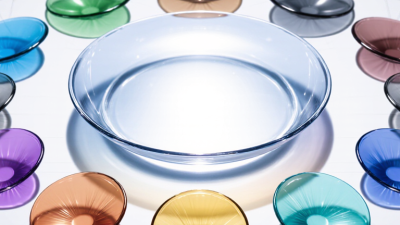
Top 10 Colored Contact Lens Manufacturers for Global Buyers
Selecting a colored contact lens manufacturer is not only a search for attractive shades. Global buyers also need dependable production, clear communication, and evidence of consistent quality. Small differences matter: a sample may look warm brown under studio lights, yet appear cooler in daylight. Packaging, labeling, shelf-life information, and delivery schedules deserve the same attention as color design. Details add up. Some do not show in a catalog.
This guide introduces ten manufacturers for buyers comparing potential suppliers across markets. Rather than treating the list as a universal ranking, readers can assess each company against their own needs. Useful questions include private-label support, documented quality-control procedures, and product information suited to the destination market. Buyers should confirm material details, prescription options, sample approval, minimum order quantities, and realistic lead times. Price alone rarely reveals how a supplier handles changes or delays.
Contact lens requirements vary by country. Verify applicable rules with qualified local professionals before ordering. Clear answers are reassuring. Vague promises are not. A first order can be a practical test: compare approved samples with delivered goods, inspect carton labels, and note how promptly questions receive useful answers. Even a capable supplier may not fit every business. That distinction matters. The comparisons ahead can help narrow the field, but careful verification remains the buyer’s responsibility.
Read more »
 By:Clara Bennett
- November 10, 2026

10 Tips for Choosing a Contact Lens Manufacturer
Choosing a contact lens manufacturer is a clinical and operational decision, not just a price comparison. The right partner must support consistent materials, reliable production, clear documentation, and responsive quality control. Small differences matter: a lens edge that feels rough, a prescription that varies between batches, or a delayed shipment can affect both patient comfort and clinic schedules.
The scale of use makes these choices consequential. The U.S. Centers for Disease Control and Prevention estimates that about 45 million Americans wear contact lenses. Its guidance treats them as medical devices requiring appropriate fitting and care. The annual International Contact Lens Prescribing Survey, published by Contact Lens Spectrum, also tracks changes in lens selection and fitting practices across markets. These sources offer useful context, though they cannot replace direct supplier audits or product testing.
Ophthalmologist Thomas Steinemann’s practical warning is worth keeping in mind: contact lenses are medical devices, not casual accessories. A manufacturer should be able to explain its material specifications, production controls, traceability, and support process in plain language. Ask for evidence. Check the details. A polished catalog is not proof of consistent performance. And price alone can mislead.
The ten tips ahead will help buyers assess product quality, regulatory documentation, manufacturing capacity, customization, communication, and long-term reliability. Some criteria look obvious on paper. They are easier to overlook during a rushed sourcing decision. Use the checklist carefully, and verify important claims with qualified eye-care and regulatory professionals before committing.
Read more »
By:Clara Bennett
- November 10, 2026

How to Find a Reliable Contact Lens Supplier in 2026
Choosing a contact lens supplier in 2026 is not just a price comparison. It is a check on product quality, documentation, communication, and consistency. A box should arrive with clear labeling, intact seals, and batch details that can be traced. If basic questions receive vague answers, pause. That matters.
Contact lens researcher Lyndon Jones has championed evidence-based decisions in lens care. A fair paraphrase of that approach is: “Match products to wearer needs, and verify claims with evidence.” This is a paraphrase, not a verbatim quotation. It offers a useful standard for evaluating suppliers: ask how products are sourced, what quality checks are performed, and how complaints or damaged shipments are handled. Look for specific answers, not polished promises.
This guide will show how to assess a supplier’s product range, credentials, traceability, shipping practices, and customer support. Compare written policies, request relevant documentation, and test the response to a practical question before placing a large order. A reliable contact lens supplier should make those checks straightforward. Still, no checklist can guarantee a perfect partnership; even careful buyers may overlook details. Keep records, review performance over time, and reconsider the relationship when answers stop adding up.
Read more »
By:Clara Bennett
- November 10, 2026