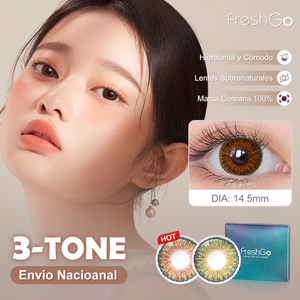
Factory Direct Portfolio
Featured Color & Prescription Contact Lens Collections
Engineered via micro-encapsulation sandwich technology and cast-molding precision. Explore in-demand aesthetic and refractive stock programs optimized for international optical distributors.
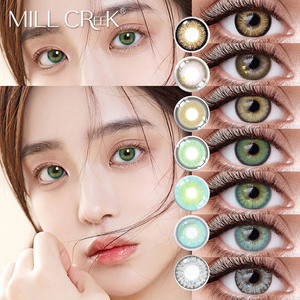
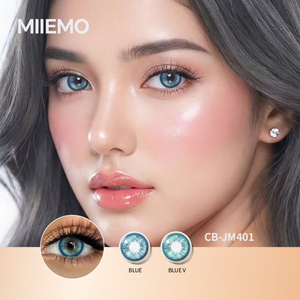
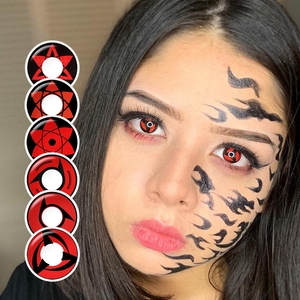
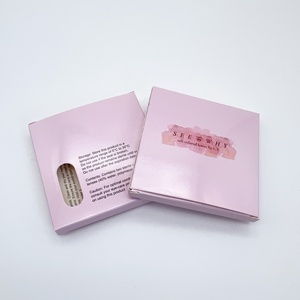
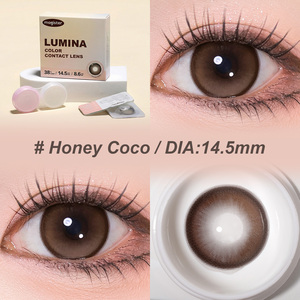
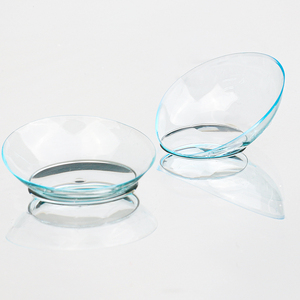
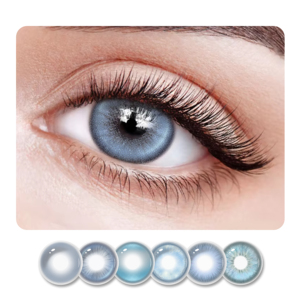
42+
Years of Precision Heritage (Est. 1984)
15,000+
Proprietary Color & Pattern Designs
126
Export Destination Nations Served
10,000+
Global Optical B2B Enterprise Partners
Executive Industry Whitepaper
Navigating Contact Lens Manufacturing & Global Export Dynamics
An authoritative technical analysis of ocular biomaterial synthesis, automated cast-molding infrastructure, micro-sandwich color printing, and medical device compliance for brand owners and distributors.
The Transition from Commodity Sourcing to Integrated Medical Manufacturing
In the contemporary ophthalmic landscape, cosmetic and corrective contact lenses represent one of the most rigorously regulated categories of consumer health technology. Across premier markets in North America, the European Union, Japan, and South Korea, contact lenses are classified strictly as Class II, Class IIa, or Class III medical devices. Brand owners seeking scalable expansion must scrutinize manufacturing supply chains far beyond basic wholesale unit costs. Critical parameters including physiological biocompatibility, oxygen transmissibility (Dk/t), surface lubricity, edge configuration, and micro-pigment non-migration define brand reputation and end-user safety.
Eyebeauty Technology Co., Ltd. serves as the premier international marketing and engineering gateway of an esteemed multi-generational ophthalmic manufacturing group. Rooted in an unbroken 42-year legacy that commenced with Gansu Constar Technology Group in 1984, and fortified by the advanced high-speed automated facility of Hunan Haipuming Technology (Liangguo Group), our manufacturing ecosystem bridges biomedical research, precision robotics, and international regulatory clearance.
Unlike commercial trading intermediaries or re-packagers, our group operates end-to-end proprietary infrastructure. From the initial polymerization of hydrophilic monomers (such as HEMA, EGDMA, and advanced Silicone Hydrogels) to nanometer-tolerance computerized mold manufacturing, automated blister packaging, automated autoclave moist-heat sterilization, and comprehensive batch lot traceability, our manufacturing lines maintain absolute control over the entire production life cycle.
| Evaluation Metric | Proprietary Cast Molding (Eyebeauty Standard) | Conventional Spin-Casting | Traditional Lathe-Cutting |
|---|---|---|---|
| Dimensional Consistency | Ultra-high (±0.01 mm tolerance across millions of units) | Moderate (susceptible to surface tension anomalies) | Variable (operator skill dependent; tool wear variances) |
| Color Pigment Containment | True Multi-Layer "Sandwich" Micro-Encapsulation | Surface printing (risk of corneal contact abrasion) | Surface dye infiltration / post-machining print |
| Edge Profile Morphology | Continuous Comfort Contour (C3 Round Bevel Edge) | Sharp or uneven transitional peripheral zone | Multi-faceted cut edge requiring intensive manual polish |
| Oxygen Permeability & Hydration | Homogeneous polymer cross-linking (38%–58% H2O) | Density variations within peripheral lens matrix | Dehydration stress fractures at micro-tool marks |
| Production Scalability & Lead Time | Fully automated lines yielding 1,000,000+ units/week | Semi-automated; restricted tooling flexibility | Low-throughput batch manufacturing; long lead cycles |
Core Factory Capabilities
Why Worldwide Optical Brands Rely on Eyebeauty
Combining medical device rigor with trend-setting consumer cosmetics. Our owned manufacturing assets eliminate agency markups and provide transparent oversight.
Certified Cleanroom Facilities
Class 100,000 and Class 10,000 cleanroom environments conforming to ISO 13485 medical device standards, CE (MDR) certification, and US FDA facility registration (FEI 3015587162).
Sandwich Color Technology
Bio-compatible pigment encapsulation locking medical-grade pigments between two clear polymer layers. Prevents direct ocular contact, ensuring absolute color stability and physiological safety.
Rapid Turnaround & Low MOQs
Over 1,500 curated SKUs in stock for fast dispatch (7–10 days). Custom OEM packaging, blister foil printing, and multi-language labeling supported with agile volume flexibility.
Full Dossier Compliance Support
Manufacturer-side support for global regulatory filings, including South Korea MFDS approval dossiers, EU MDR technical files, biocompatibility testing (ISO 10993), and sterilization validation.
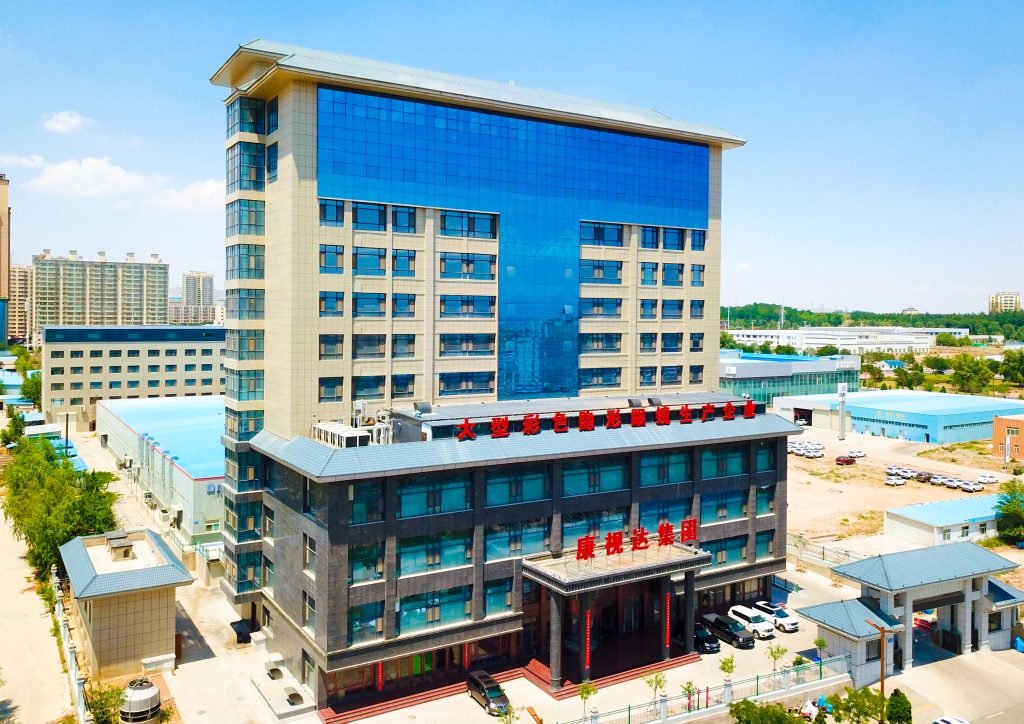 ESTABLISHED 1984 · INDUSTRIAL PIONEER
Gansu Constar Technology Group
The foundational bedrock of our manufacturing footprint. Constar represents over four decades of optic research, optical mould engineering, precision cast-molding, and clear prescription lens mastery. Operating under international GMP frameworks, this base delivers world-class dimensional fidelity.
ISO 13485:2016
CE (MDR) Annex IX
Cleanroom Class 10k/100k
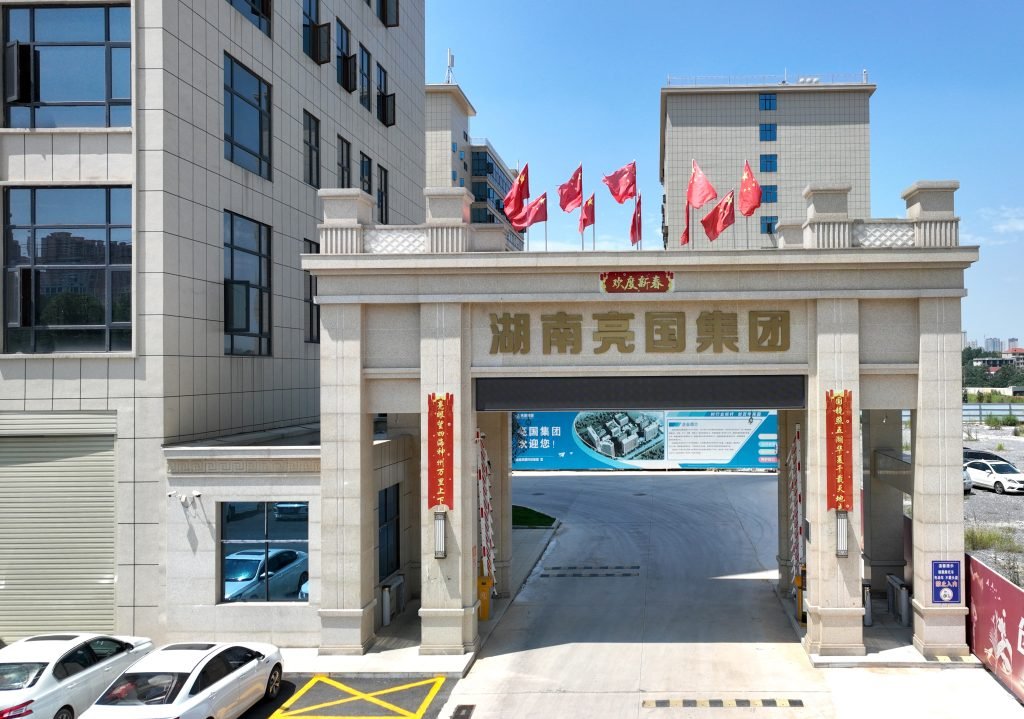 HUNAN HAIPUMING · LIANGGUO GROUP
Hunan Haipuming Technology (Liangguo Group)
Our ultra-modern smart-factory specializing in cosmetic color contact lenses, high-speed automated pad printing, and high-volume blister packaging. Powerhouse facility backing premier consumer brands including MILLCREEK, KSSEYE, Haipurecon, and DUOXIU across 126 export destinations.
FDA Registered (FEI 3015587162)
ISO 13485 Certified
High-Speed Cast Molding
Market Intelligence & Forecast
Future Sourcing & Product Development Trends
Strategic procurement insights for optical buyers: Where the global contact lens market is heading and how to capitalize on emerging consumer behaviors.
Material Science
Silicone Hydrogel Penetration
The global transition from standard Poly-HEMA hydrogel to high-Dk Silicone Hydrogel formulations is accelerating. B2B buyers are seeking materials that maintain 40%+ water content while delivering Dk/t values above 80×10-9, reducing corneal hypoxia risks during prolonged digital screen use.
Cycle Optimization
Dominance of Daily Disposables
Daily disposable modalities (1-Day wear) now represent over 60% of total revenue growth across mature optical retail markets in APAC, North America, and Europe. Lower infection risk, elimination of cleaning chemical solutions, and instant hygiene are key purchase drivers for modern wearers.
Cosmetic Aesthetics
K-Beauty "Glow & Highlight" Trends
The heavy, opaque circle lenses of the past have been eclipsed by sophisticated K-Beauty design languages: subtle ash-grey undertones, organic transition limbal rings, asymmetrical highlight arcs (the "crescent moon" reflection), and natural graphic diameters (G.DIA 13.0 mm to 13.3 mm).
Digital Healthcare
Optical Aberration Control
Advanced aspheric front-surface geometry is becoming standard across clear and cosmetic prescription lenses. By neutralizing natural spherical aberration of the human eye, modern lenses enhance contrast sensitivity in dim lighting conditions and reduce visual fatigue.
Supply Chain Resilience
Near-Zero Regulatory Friction
Importers are actively shedding suppliers unable to furnish complete technical dossiers under the rigorous EU MDR (2017/745) and Korean MFDS medical device requirements. Factory-direct compliance dossiers have transformed from an afterthought into the primary criterion for selecting OEM partners.
Eco-Packaging
Sustainable Primary Packaging
Downstream consumers are demanding sustainable vision care. Leading brands are working with factories to adopt ultra-thin polypropylene blister shells, fully recyclable medical aluminum foils, and FSC-certified biodegradable window gift boxes that minimize carbon footprints.
Factory Audit Guide
How to Evaluate a Contact Lens Factory: 5 Critical Inspection Metrics
Avoid catastrophic customs seizures and customer recalls. Ensure your contract manufacturing partner adheres to these five indispensable quality benchmarks.
1. Color Layer Micro-Encapsulation Integrity (Cross-Section Testing)
Never rely on verbal assurances of "sandwich printing." Reputable factories routinely perform scanning electron microscopy (SEM) and organic solvent swabbing on every color batch. The pigment matrix must be hermetically trapped between inner and outer monomer layers, ensuring zero pigment particles touch the corneal epithelium or palpebral conjunctiva.
2. Base Curve (BC) and Diameter (DIA) Sagittal Depth Precision
In automated cast molding, micro-variations in room humidity or UV curing intensity can alter polymer shrink rates, deviating the Base Curve from nominal 8.6 mm to an irregular 8.4 mm or 8.8 mm. This causes lens tightening or corneal decentration. Our factories utilize high-precision non-contact laser optical interferometers to sample every production lot against rigid DIN EN ISO 18369 specifications.
3. Sterilization Assurance Level (SAL 10-6) Verification
Terminal moist-heat steam autoclaving is mandatory for all soft contact lenses. Sourcing teams must demand validated autoclave cycle records (minimum 121°C for 20+ minutes) alongside biological indicator challenge tests (Geobacillus stearothermophilus spores) to certify an SAL of 10-6, guaranteeing absolute sterility in every sealed blister.
4. Edge Finish & Peripheral Tear Resistance
Corneal irritation and lens split failures stem from ragged or sharp lens rims. Precision cast-molding creates a continuous smooth round edge that facilitates effortless tear film exchange beneath the lens during blink cycles, preventing lipid deposition and dry eye syndrome.
5. Full Lot Batch Traceability & Retention Samples
Every single blister pack must feature high-resolution laser-printed batch lot numbers, expiration dates, and optical power ratings. Under ISO 13485 regulations, our manufacturing group maintains climate-controlled warehouse sample retention for the entire shelf life of the product (3 to 5 years), enabling immediate investigation of any field inquiries.
Procurement Knowledge Base
Frequently Asked Sourcing & Manufacturing Questions
Clear, definitive answers to the key operational, regulatory, and production questions raised by optical distributors, private label brand owners, and retail chain buyers.
Can Eyebeauty supply technical files for medical device registrations (e.g. South Korea MFDS, US FDA, EU MDR)? +
Yes, absolutely. Because contact lenses are regulated as Class II/IIa/III medical devices globally, the importing entity must hold valid market clearance. Eyebeauty provides complete manufacturer-side technical dossiers. This includes ISO 13485:2016 quality system certificates, CE (MDR) conformity declarations, full biocompatibility data (cytotoxicity, ocular irritation, systemic toxicity according to ISO 10993), stability and shelf-life acceleration reports, microbial barrier validation, and batch release documentation. For Korean brands, our dedicated Korea Desk coordinates directly with your regulatory consultants to streamline MFDS approvals.
What are your Minimum Order Quantities (MOQ) for custom private label OEM projects? +
We provide tier-structured MOQs tailored to brand growth stages:
- Ready-to-Ship In-Stock Brands (MILLCREEK, KSSEYE, Haipurecon, DUOXIU): Minimum order from just 50 to 100 pairs across mixed models, shipped within 7–10 days. Ideal for market testing.
- Custom Packaging Private Label (Standard In-Stock Lens Designs): 500 to 1,000 pairs per SKU with your custom branded blister foils and outer packaging boxes.
- Fully Bespoke ODM Pattern & Tint Development: Custom printing plates with tailored color patterns, base curves, or diameters require an MOQ of 3,000 to 5,000 pairs per design across standard power gradations (-0.00 to -8.00D).
How do you guarantee that pigments in cosmetic lenses will not fade or leach into the eye? +
We employ an automated true sandwich micro-encapsulation technique. During cast-molding polymerization, the medical-grade cosmetic pigments (complying with FDA 21 CFR Part 73 color additives for medical devices) are embedded within an ultra-thin hydrogel matrix, completely encased by clear front and back biocompatible polymer layers. The pigment layer is never in direct contact with ocular tissue or tear film enzymes. Every production lot undergoes aggressive acetone and ethanol extraction challenge testing to verify that zero dye migration occurs throughout the 5-year sterilized shelf life.
What replacement cycle modalities are available for contract manufacturing? +
Our dual factory bases manufacture the full spectrum of replacement cycles:
- 1-Day Daily Disposable Lenses: High water content (55%–58%), ultra-thin edge design, packaged in sterile 10-pack or 30-pack daily blisters.
- 1-Month Monthly Disposable Lenses: Balanced balance of durability and wettability (38%–43% water content), providing outstanding cost-per-wear value.
- 6-Month & Yearly (Annual) Lenses: Highly durable, tear-resistant formulations packaged in both medical glass vials and sterile foil blisters for extended longevity.
Can we order custom optical powers (diopters) including toric or high myopia ranges? +
Yes. Our standard prescription range covers plano (0.00) through -0.50 to -6.00 in 0.25D increments, and -6.50 to -8.00 in 0.50D increments. Custom high myopia molds reaching up to -10.00D or -12.00D, hyperopia (plus powers for presbyopia), and custom base curve molds (8.4 mm to 8.8 mm) can be manufactured upon request for dedicated OEM volume orders.
How does shipping and export logistics handle temperature-sensitive contact lenses? +
Contact lenses suspended in buffered saline solutions must be protected against freezing and extreme heat during transit. Our export logistics operations utilize reinforced, moisture-resistant, multi-ply corrugated master cartons lined with insulating thermal wraps where required. We partner with leading global freight forwarders offering expedited air freight (5–8 days transit) and express container sea freight with constant temperature tracking, ensuring your consignments arrive in pristine condition ready for immediate optical dispensary distribution.
Scale Your Contact Lens Brand with a Direct Manufacturing Partner
Access our comprehensive 2025–2026 Master Product Catalog featuring over 15,000 certified color and prescription designs, private label OEM packaging templates, and wholesale factory pricing schedules.