Featured Export Contact Lenses & Dispensary Systems
Factory-direct medical-grade soft colored contacts, private label cosmetic series, and ophthalmic display accessories engineered for global optical chains and beauty brand distributors.
Navigating the Global Ophthalmic Landscape: Why China Leads Contact Lens Exportation
A deep dive into regulatory evolution, automated cast-molding precision, bio-compatible polymer synthesis, and risk-mitigated supply chain economics for institutional procurement teams.
Medical-Grade Regulatory Dominance
Color contact lenses are classified as Class IIb/Class III medical devices globally. China exporters operating under stringent NMPA Class III governance, verified CE MDR 2017/745 certificates, and ISO 13485:2016 management eliminate the import rejections common with non-compliant trading brokers.
High-Precision Polymer Nanotechnology
Moving beyond standard poly-HEMA hydrogels, premier Chinese facilities deploy advanced silicone hydrogel macromers and phosphorylcholine (MPC) surface crosslinking, driving Dk/t values above 120 and drastically reducing tear-film evaporation during extended 14-hour wearing cycles.
Scalable Full-Stack Automation
From nanoscale lathe diamond cut toolings to automated high-speed cast molding and automated vision AI inspection systems, our tier-one Chinese production bases output over 30 million blister units annually with defect rates stabilized below 0.003%, driving down unit landed costs.
| Parameter / Quality Metric | Conventional Trading Broker | Tier-1 China Factory Exporter (Eyebeauty) | Procurement Advantage |
|---|---|---|---|
| Color Encapsulation | Surface micro-pad printing (Risk of corneal pigment contact) | True 3-Layer Sandwich Embedding (Pigment fully locked within matrix) | Zero Pigment Leaching |
| Production Cleanliness | Unregulated local assembly rooms | ISO Class 7 / Class 8 GMP Validated Cleanrooms | Total Sterility Assurance |
| Oxygen Transmissibility (Dk/t) | Standard 8.5 to 15 Dk/t (Prone to corneal hypoxia) | 28 to 138 Dk/t (Extended-wear hydrogel & Si-Hy options) | High Corneal Respiration |
| Edge Profile Engineering | Standard blunt-cut or hand-beveled edge | Comfort Edge Matrix™ Rounded Dynamic Taper | Non-Sensory Blinking Friction |
| Regulatory Dossier Support | Third-party unauthenticated declarations | Full MFDS, CE MDR, US FDA 510(k), TGA Dossiers | Expedited National Approvals |
Future Sourcing & Procurement Trends for 2026–2030
How international lens brand incubators, pharmacy chains, and ophthalmic retail groups must align their supply lines to capture shifting consumer demographics and regulatory pressures.
1. The Shift to High Dk Silicone Daily Disposables
Market data reveals a 34% annual growth rate in daily disposable (1-Day) color contacts across tier-1 cosmetic retail markets. B2B buyers must transition inventory from yearly vials to blister-packaged dailies loaded with hyaluronic acid (HA) lubricating reservoirs to meet high hygienic expectations.
2. Photoprotective HEV & Blue Light Filtering
With prolonged digital screen exposure, modern consumers demand dual UV400 and Class 1 High-Energy Visible (HEV) blue-blocking pigments. Sourcing lenses featuring non-yellowing lutein-infused monomers offers an undeniable marketing advantage over commoditized decorative lenses.
3. Micro-Highlighting & Korean K-Aesthetic Trends
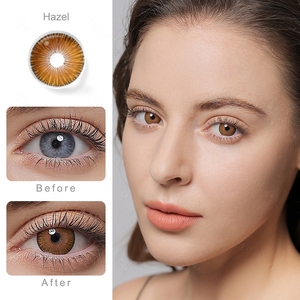
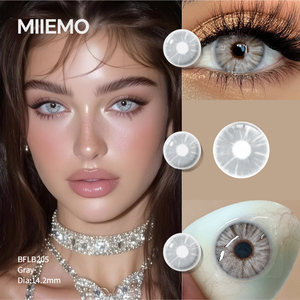
The global dominance of K-Beauty color palettes—such as ethereal limbal gradations, crescent-moon specular highlights, and dimensional 3-tone olivine-hazel blends—demands high-fidelity micro-dot matrices (under 25 microns) to prevent an artificial or pixelated look on dark irises.
4. Regulatory Traceability & UDI Integration
National regulatory authorities (MFDS in Korea, FDA in the US, and EMA in Europe) strictly mandate Unique Device Identification (UDI) barcoding on secondary and primary blisters. Factory-direct exporters with direct UDI laser-marking lines safeguard distributors against cross-border customs confiscations.
State-of-the-Art Cleanroom Facilities & Enterprise Foundation
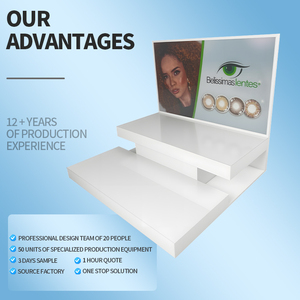
Eyebeauty Technology Co., Ltd. serves as the premier international export headquarters for our family manufacturing enterprise established in 1984. Spanning two multi-acre research and production campuses, we combine four decades of precision vision engineering with frictionless cross-border supply chains.
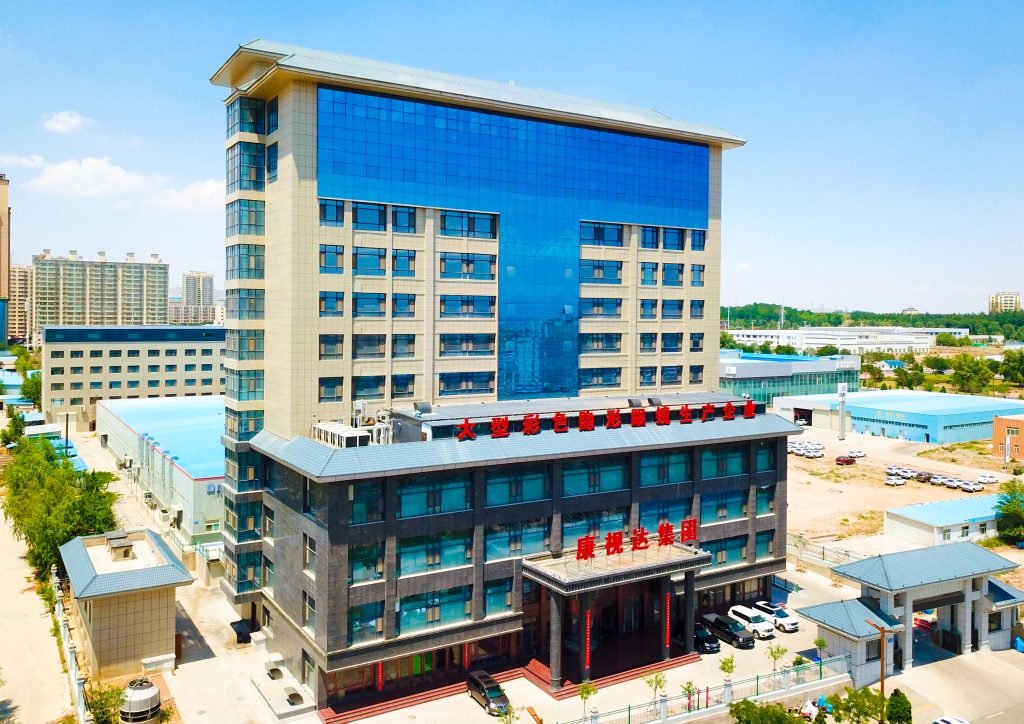
Gansu Constar Technology Group
The industrial foundation of our ophthalmic group, Constar houses decades of high-purity optical polymer distillation, precision optical lathe engineering, and large-scale Class III medical device sterile water preparation systems.
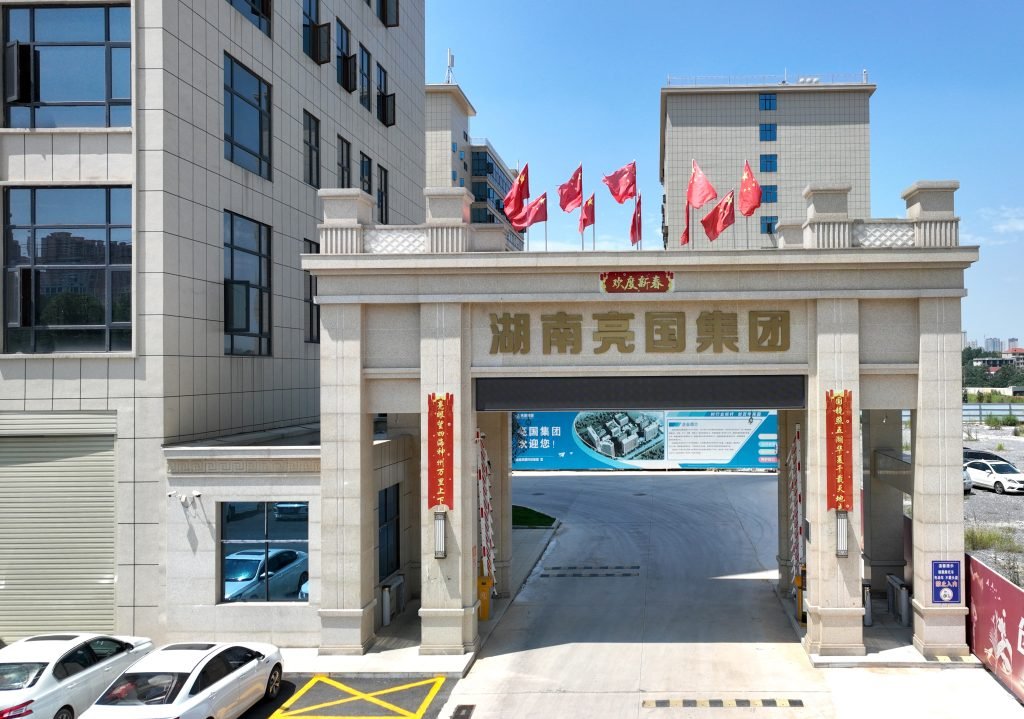
Hunan Haipuming Technology (Liangguo Group)
Our dedicated center for cosmetic color formulation and automated high-speed private label packaging. Housing hundreds of automated molders and computerized optical spectrophotometers, delivering trend-defining cosmetic lines with millimeter precision.
Frequently Asked Procurement & Compliance Questions
Direct, transparent answers compiled by our international regulatory attorneys, optical engineers, and export account directors for institutional buyers.
How do you guarantee that color pigments never leach into the human ocular cornea?
What technical files and regulatory certificates do you provide for domestic market registration?
What are your Minimum Order Quantities (MOQs) for OEM private label and in-stock wholesale?
Can your production lines support multi-diopter power ranges for prescription color lenses?
What replacement modalities do you engineer, and which are recommended for optical dispensaries?
Ready to Scale Your Contact Lens Brand with a Proven Factory Partner?
Connect directly with our senior technical project directors. Access our wholesale OEM price lists, request custom-designed sample kits, and review complete regulatory technical files for your target markets.