Factory Catalog 2026
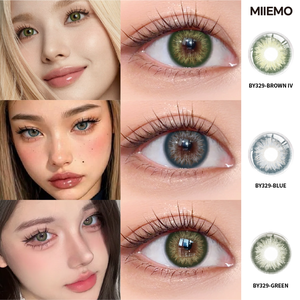
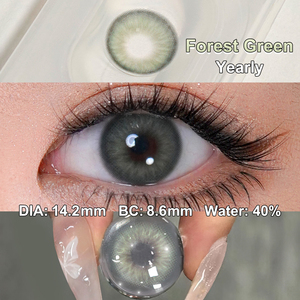
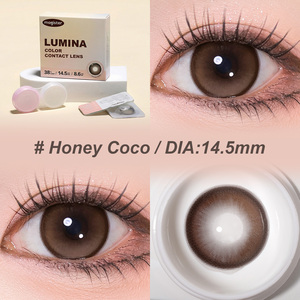
Featured Contact Lens Formulations & Optical Units
Explore our certified precision-cast contact lenses, cosmetic tints, and high-purity optical polymer moldings manufactured under strict ISO 13485 cleanroom controls.

42+
Years Manufacturing (Since 1984)
15,000+
Custom Lens Matrix Designs
126+
Export Destination Countries
10,000+
B2B Optical Clients Supplied
Industry Whitepaper: The Evolution of Guangzhou as China's Contact Lens Export Epicenter
As international medical device regulatory standards converge under rigorous mechanisms such as the EU Medical Device Regulation (MDR 2017/745), US FDA 510(k), and South Korea's Ministry of Food and Drug Safety (MFDS), the landscape of contact lens contract manufacturing has experienced a monumental paradigm shift. Global brand procurement has matured beyond standard price-per-unit metrics, focusing instead on full-stack vertical integration, biocompatibility validation, sandwich-printing safety, and end-to-end supply chain traceability.
Guangzhou has long stood as China's preeminent export and logistical nexus, linking heavy industrial polymer processing with hyper-responsive global supply chains. At Eyebeauty Technology Co., Ltd., our international operations hub in Guangzhou channels the manufacturing prowess of our legacy group facilities—headlined by Gansu Constar Technology Group (established in 1984) and Hunan Haipuming Technology (Liangguo Group). Operating as a true factory-direct enterprise rather than an intermediary or trading broker, our organization controls cleanroom cast molding, computerized edge polishing, pigment encapsulation, moist heat sterilization, and automated optical packaging.
Our operational framework provides international brands, private label cosmetic companies, and pharmaceutical optical chains with complete transparency. Every batch leaving our facility is accompanied by complete documentation trails—including Dk/t oxygen permeability indexes, optical power verification, water content stabilization data, and cytotoxicity biocompatibility clearance.
Core Competencies
Why Tier-1 Optical Distributors Source From Eyebeauty
Combining four decades of ocular biomechanics expertise with high-throughput Class 100,000 cleanrooms and agile private-label engineering.
Sandwich Color Embedment
Our proprietary micro-encapsulation technology seals colorants between inert hydrogel layers. Pigments never directly touch the cornea or palpebral conjunctiva, guaranteeing clinical wear safety and color stability.
High-Oxygen Cast Molding
Utilizing high-precision CNC multi-cavity injection molds and automated polymer polymerization, our clear and tinted lenses achieve ultra-thin profile designs (0.06mm center thickness) with continuous tear-exchange edge geometry.
Full Regulatory Compliance Pack
Accelerate your local licensing. We provide complete CE (MDR), ISO 13485:2016, and FDA facility registration (FEI 3015587162) documentation files, including biocompatibility reports according to ISO 10993 standards.
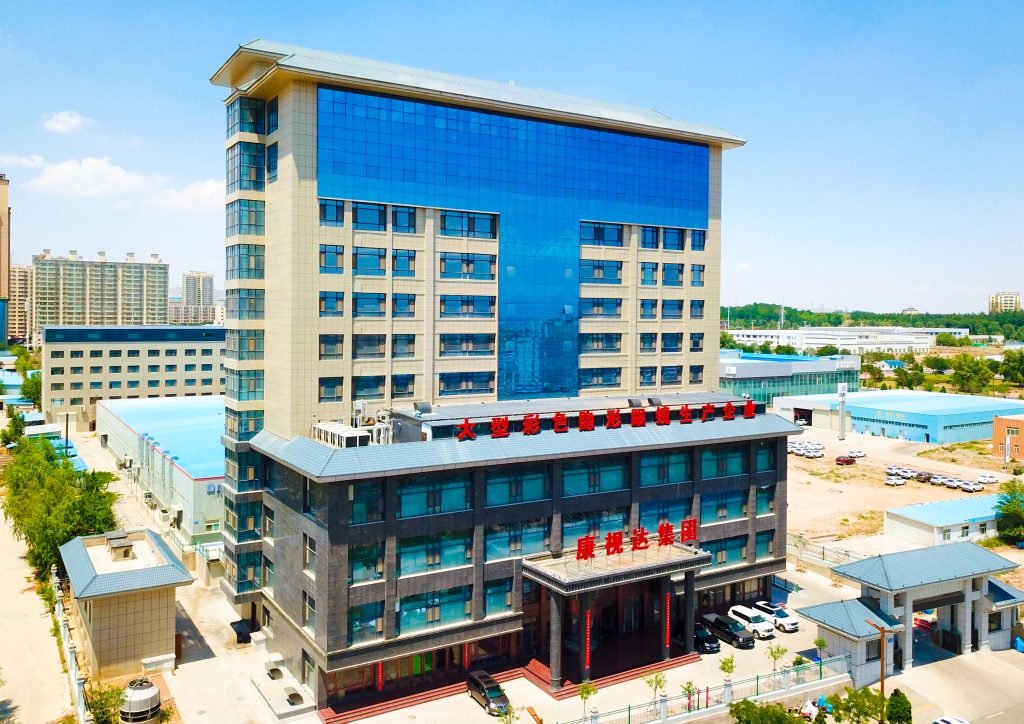
Gansu Constar Technology Group (Est. 1984)
Our heritage base specializing in soft clear prescription contact lenses, lathe-cutting techniques, and baseline hydrogel optical research spanning over 40 years.
CE (MDR) Certified
ISO 13485 Quality
High Dk Polymers
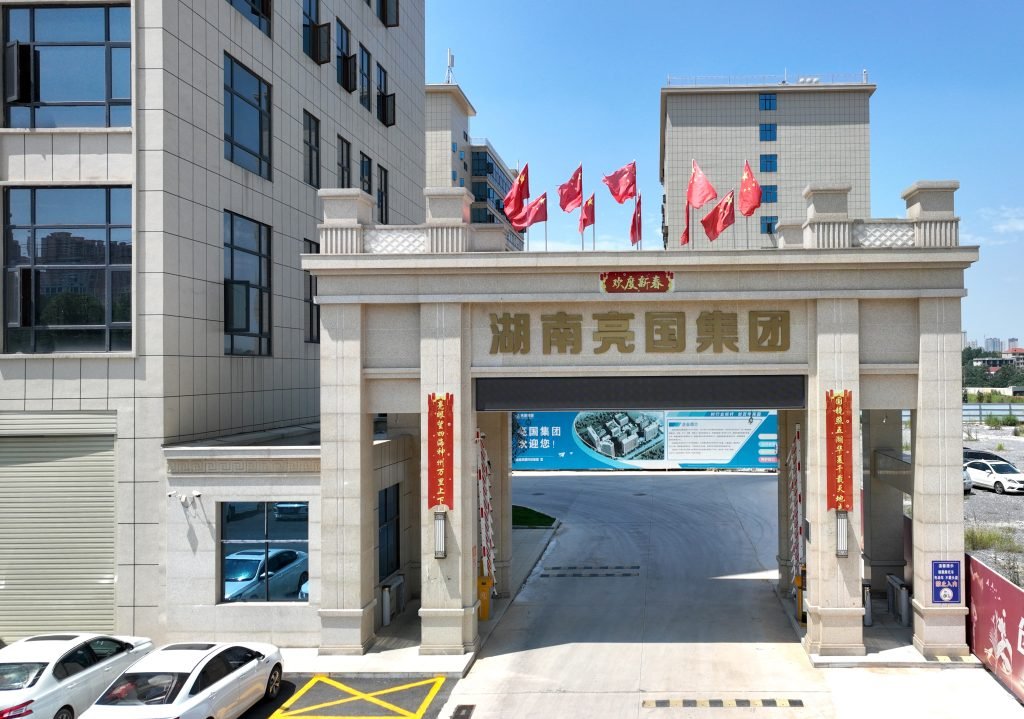
Hunan Haipuming Technology (Liangguo Group)
Specialized cosmetic color contact lens cleanroom facility running automated high-throughput lines, multi-color pad printing, and medical blister sealing systems.
FDA-Registered Facility
Cosmetic Color Line
Automated Sterilization
Strategic Sourcing Trends: The 2026–2030 Contact Lens Market Outlook
Optical distributors, brand founders, and purchasing managers face a rapidly shifting consumer landscape influenced by e-commerce expansion, influencer beauty trends, and ocular wellness consciousness. Institutional buyers must align their product development pipelines with three distinct macro trends:
1. The Accelerated Migration from Conventional to Daily Disposables (1-Day Modality): Across key retail markets in South Korea, North America, and Western Europe, consumer preference is shifting rapidly toward daily disposables. Driven by reduced risks of microbial keratitis and ocular complications associated with lens maintenance solutions, daily disposables demand massive manufacturing automation and exceptionally consistent mold precision to maintain margin feasibility.
2. Silicone Hydrogel Domination in Color Aesthetics: Historically, cosmetic colored lenses were constrained to conventional polyHEMA (hydroxyethyl methacrylate) materials with modest Dk values (8–12 Fatt units). Emerging procurement strategies focus on third-generation silicone hydrogel composites that incorporate hydrophilic wetting agents (such as PVP) directly into the monomer matrix. This provides oxygen transmissibility exceeding 60–80 Dk/t while preserving the intricate sandwich layer printing required for natural-looking cosmetic enhancement.
3. K-Beauty Subtle Aesthetic Nuances & Custom Iris Graphic Diameters: Gone are the days of exaggerated 15.0mm theatrical novelty rings. Global buyers now curate collections featuring natural gradations—soft limbal rings, ash brown undertones, delicate iris textural flecks, and moderate Graphic Diameters (G.DIA 13.0mm to 13.3mm) designed to organically harmonize with natural pupil pigments.
Material Engineering: Breakthroughs in Contact Lens Formulations
The core of superior vision care lies in macromolecular surface chemistry. At Eyebeauty’s dedicated laboratories, polymer formulations undergo continuous refinement to solve the classic trilemma of contact lens design: high oxygen permeability, optimal water content, and low modulus (stiffness).
Traditional high-water hydrogels often draw moisture out of the pre-corneal tear film in arid or air-conditioned environments, causing end-of-day dryness and conjunctival injection. By engineering biomimetic Phosphorylcholine (PC) copolymer coatings and integrating hyaluronic acid (HA) into the saline storage solution, our factory produces lenses that actively resist lipid and protein deposition while stabilizing the mucin layer of the eye.
Furthermore, our precision optical molds utilize multi-aspheric front surface designs. This asphericity counteracts spherical aberration inherent in human ocular systems, providing wearers with high-contrast, aberration-free vision under low-light and digital screen environments. For myopia management, our engineering teams are actively scaling multi-zone bifocal and peripheral defocus designs to serve growing pediatric myopia management markets globally.
Procurement Guidance
Frequently Asked B2B Sourcing Questions (FAQ)
Clear, transparent operational answers for supply chain executives, brand owners, and regulatory affairs directors.
What are the standard Minimum Order Quantities (MOQs) for OEM private label contact lenses? +
For custom private label OEM projects (including tailored blister foil printing, branded cartons, and bespoke diopter curves), our baseline MOQ starts at 500 to 1,000 pairs per SKU/color depending on whether the design leverages our catalog tooling or requires a bespoke printing pad. For in-stock ready-to-ship models across our house brands (such as MILLCREEK, KSSEYE, and Haipurecon), orders can be fulfilled from 50 to 100 pairs per shade with rapid dispatch through our Guangzhou export logistics hub.
How does Eyebeauty support MFDS (South Korea), CE (MDR), and FDA registration filings? +
As a medical device manufacturer with factory-owned facilities, we provide our B2B partners with comprehensive Technical Files. This includes valid ISO 13485:2016 quality certificates, CE (MDR 2017/745) conformity declarations, FDA establishment identifiers (FEI 3015587162), ISO 10993 cytotoxicity and ocular irritation test reports, steam autoclave sterilization validations, accelerated aging shelf-life test records (3-5 years stability), and raw polymer safety data sheets (MSDS). For South Korea, we provide local Korean importers with the precise manufacturing Dossiers required for fast-track MFDS medical device item licenses.
What is the difference between Cast Molding, Semi-Cast, and Lathe-Cutting production? +
Fully automated Cast Molding (Cast Molded Process) is the premier manufacturing technique for high-volume, highly reproducible soft contact lenses. Liquid monomer is injected into precision male/female molds and polymerized under controlled thermal/UV conditions. This produces remarkably thin, comfortable edge profiles at optimal cost structures. Lathe-Cutting is primarily reserved for specialized custom RGP (Rigid Gas Permeable) lenses or complex prosthetic lenses. Our factories utilize high-precision cast molding for 98% of our soft cosmetic and clear disposable lens production to ensure micro-millimeter consistency across every production run.
How does the factory guarantee color safety in cosmetic color contact lenses? +
Safety is achieved through our proprietary Sandwich (Cast Encapsulation) manufacturing process. Unlike low-grade decorative lenses where dyes are printed directly on the lens surface, our multi-stage automation embeds FDA/ISO compliant medical pigments (iron oxides, titanium dioxides, phthalocyanines) safely enclosed within the hydrogel matrix. Extensive rubbing and chemical soak testing ensures zero pigment leakage, preventing cornea abrasion, pigment leaching, or allergic keratoconjunctivitis.
What replacement modalities and packaging configurations are offered? +
We manufacture lenses across the full spectrum of wear cycles: Daily Disposables (1-Day), Bi-weekly, Monthly (30-Day), Quarterly, 6-Month, and 1-Year replacement modalities. Packaging options include automated PP blisters with peelable multi-layer aluminum foils (packaged in boxes of 2, 10, or 30 blisters) and medical-grade USP Type I borosilicate glass vials with tamper-evident flip-off crimp seals, ideal for extended-wear cosmetic markets.
What are the lead times for custom R&D formulations and volume export dispatches? +
Standard catalog reorders with existing artwork ship from our Guangzhou distribution facilities within 7–10 business days. For full custom OEM projects involving bespoke color development, Pantone printing plates, and custom packaging boxes, sample prototyping takes 14–20 days, and full mass production is completed in 30–45 days following final proof approval and diopter breakdown sign-off.
Partner with China's Premier Contact Lens Manufacturing Group
Empower your brand with factory-direct pricing, 42 years of ocular engineering pedigree, and dedicated compliance support from our Guangzhou export team.
Inquire Now