Packaging OEM
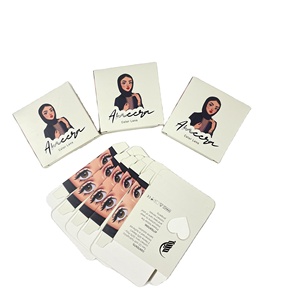
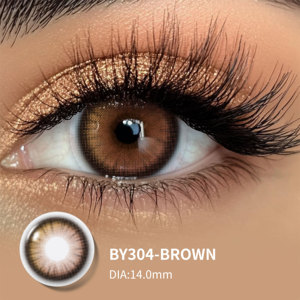
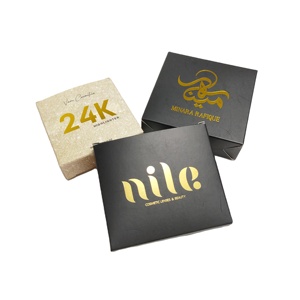
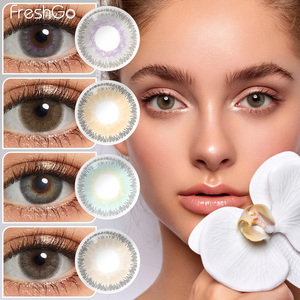
Discover our primary certified product lines, ranging from ultra-wearable natural iris designs and high-pigment cosmetic lenses to fully integrated custom packaging solutions engineered for direct optical retail compliance.
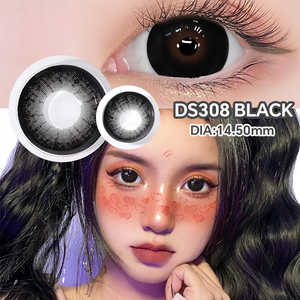
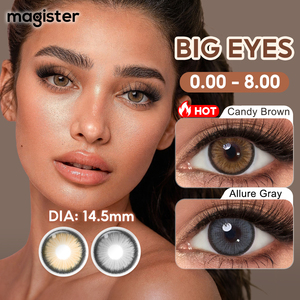
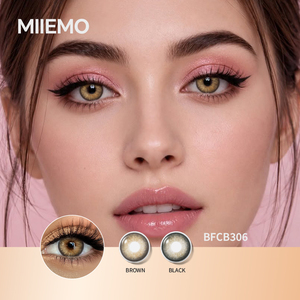

An authoritative technical analysis of manufacturing excellence, biocompatibility protocols, and supply chain scalability for global procurement directors.
The global cosmetic and corrective contact lens sector is experiencing an unprecedented structural evolution. Driven by converging consumer behavior across medical ophthalmology and luxury beauty aesthetics—particularly influenced by East Asian and K-Beauty ocular trends—colored contact lenses have shifted from niche novelty goods into primary, high-frequency consumer vision products. For international optical chains, multinational beauty conglomerates, and e-commerce brand owners, selecting an offshore manufacturing partner in China is no longer merely a cost-arbitrage calculation. It is a critical risk-management decision involving regulatory compliance (such as the European Union Medical Device Regulation EU MDR 2017/745 and Korean MFDS approval), pigment bio-encapsulation safety, lens geometry reproducibility, and automated batch traceability.
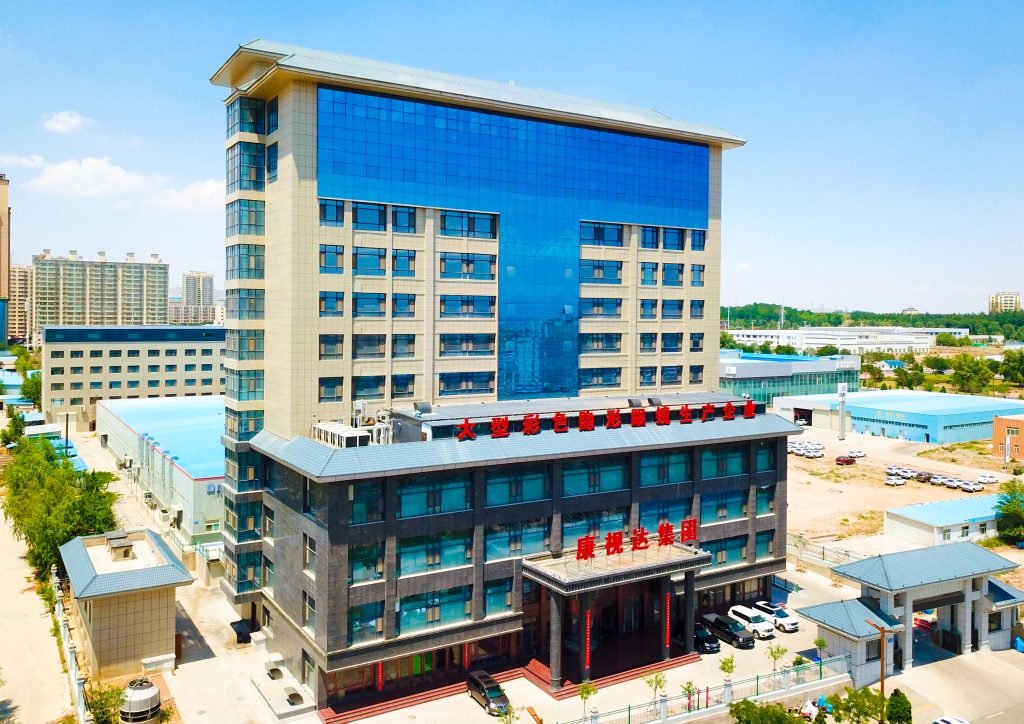
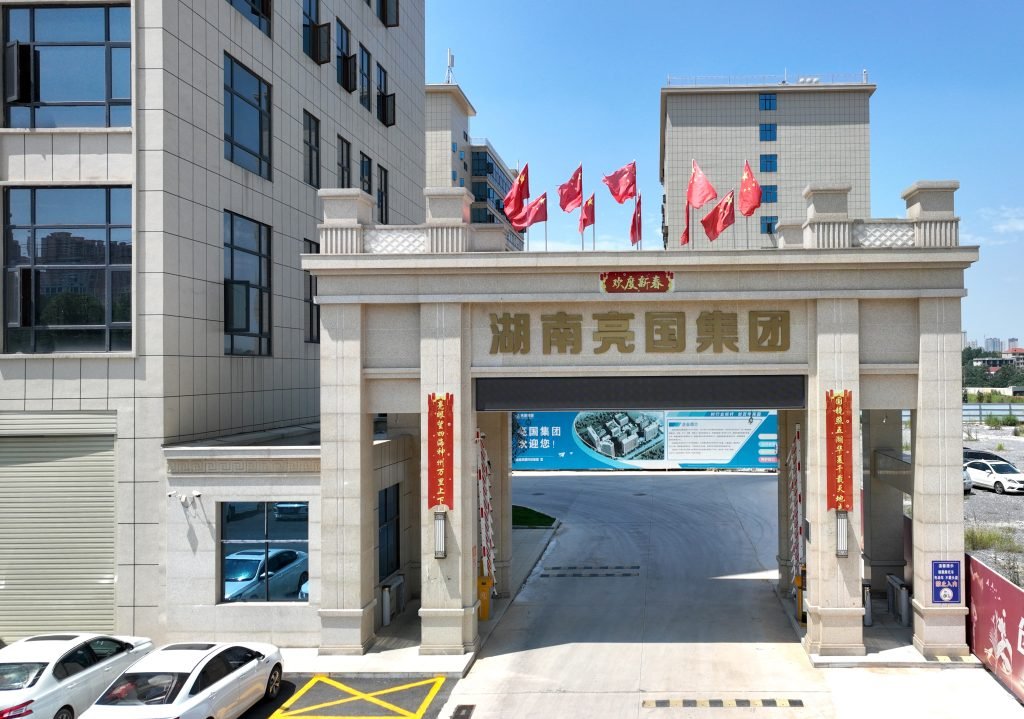
As the international marketing and engineering deployment headquarters of an established family manufacturing lineage originating in 1984, Eyebeauty Technology Co., Ltd. represents the pinnacle of Chinese medical-grade ocular production. Our operational backbone is anchored by two legacy manufacturing hubs: Gansu Constar Technology Group, which laid the domestic foundation for optical hydrogel casting over four decades ago, and Hunan Haipuming Technology (Liangguo Group), our automated cleanroom facility dedicated to advanced multi-tone tinting, cast molding, and high-speed automated blister sealing.
Regulatory Baseline: Contact lenses are classified as Class IIa/IIb medical devices across international jurisdictions. Our facilities operate under full ISO 13485:2016 medical quality management systems, maintain valid CE (MDR) certifications, and hold active US FDA facility registrations (FEI: 3015587162), guaranteeing that every export lot complies with rigorous endotoxin, sterility assurance (SAL 10⁻⁶), and biocompatibility benchmarks.
Unlike trading intermediaries or brokers, our direct-from-cleanroom infrastructure affords B2B buyers unmatched sovereignty over product formulation, optical edge profiles, pigment distribution matrices, and primary barrier packaging. Below, we break down the core engineering paradigms, industrial advantages, market projections, and procurement workflows essential for executing a world-class contact lens portfolio.
Proprietary dual-surface embedded color lock printing prevents direct epithelial contact with micro-pigments, eliminating corneal abrasion hazards entirely.
Fully automated precision CNC mold tooling yields repeatable sagittal depths, smooth junction-less edge lift contours, and superior all-day ocular tear exchange.
Ready-to-file technical dossiers covering cytotoxicity (ISO 10993-5), ocular irritation (ISO 10993-10), stability, and autoclave sterilization validation for local market filings.
Over 15,000 ready patterns and a specialized color studio crafting ultra-realistic radial patterns, luminous highlights, and natural limbal ring transitions on demand.
Our competitive advantage stems from vertically integrated production control. Established in 1984, Gansu Constar Technology Group served as an early pioneer in domestic optical polymerization chemistry and spin-cast methodology. Over decades of institutional learning, our manufacturing ecosystem modernized into full-scale cast molding operations, bolstered by Hunan Haipuming Technology (Liangguo Group).
Today, our facilities house Class 100,000 (ISO Class 8) cleanrooms equipped with automated raw material dosing systems, computerized color micro-pad printing apparatuses, optical projection inspection benches, and continuous terminal steam sterilization autoclaves. By housing chemical formulation, mold fabrication, color printing, hydration swelling, inspection, packaging, and secondary outer-box production under one unified group structure, we maintain unbroken batch traceability from pre-polymer monomer vats down to the final consumer blister package.
Our proprietary brands—including MILLCREEK, KSSEYE, Haipurecon, and DUOXIU—are verified in over 126 countries, proving market acceptability and consumer retention across diverse demographic segments.
Every single contact lens produced inside our cleanrooms undergoes rigorous multi-stage physical and biological screening before release into export quarantine:
Comparing our core hydrogel and silicone-hydrogel substrates engineered for maximum ocular wettability, corneal oxygenation, and vivid cosmetic chromaticity.
| Material Category | Polymer Chemistry | Water Content | Oxygen Permeability (Dk/t) | Modulus (MPa) | Recommended Modality | Key Clinical / Aesthetic Advantage |
|---|---|---|---|---|---|---|
| Hydrogel Standard | Poly-HEMA (2-Hydroxyethyl Methacrylate) | 38% – 42% | 12 – 18 Dk/t | 0.35 – 0.45 | 1-Day, 1-Month, Yearly | Maximum Dimensional Stability High mechanical tear resistance, cost-efficient for mass distribution and vibrant cosmetic pigment layering. |
| Hydra-Comfort Plus | HEMA + NVP + Hyaluronic Acid Additives | 40% – 45% | 18 – 24 Dk/t | 0.30 – 0.38 | Daily Disposable / Monthly | Low Dehydration Rate Bound internal wetting agents minimize end-of-day dryness in digital screen and air-conditioned environments. |
| Next-Gen SiHy | Silicone Hydrogel (Siloxy Monomer Co-polymers) | 45% – 55% | 80 – 120 Dk/t | 0.50 – 0.65 | 1-Day Wear / Monthly | Superior Oxygen Transmissibility Virtually eliminates corneal metabolic hypoxia, enabling comfortable 14+ hour continuous cosmetic wear. |
| Toric Color Special | HEMA / GMA Hybrid Matrix | 42% | 18 Dk/t | 0.40 | Monthly / 6-Month | Prism Ballast Stabilization Allows accurate astigmatism cylindrical correction combined with stable cosmetic iris orientation. |
Anticipating regulatory tightening, shifts in consumer replacement cycles, and emerging technological paradigms across the 2026–2030 horizon.
Procurement shifts indicate an overwhelming transition toward Daily Disposables (1-Day wear) across European and Asian markets. Eliminating cleaning regimens and lens cases reduces microbiological keratitis risks while dramatically multiplying recurring B2B reorder volume for brand distributors.
Overt opaque "doll-eye" circle rings are increasingly ceding ground to hyper-realistic "melt-in" designs. These feature diffuse limbal gradients, asymmetrical light-catching highlights, and low-contrast ash-olive palettes that harmonize organically with the wearer's natural iris structure.
Global health authorities (US FDA, EU MDR, Korean MFDS, Saudi SFDA) are enforcing rigorous Unique Device Identification (UDI) barcoding, clinical evaluation reports (CER), and biological safety dossiers. Brands partnering with unregistered small workshops face catastrophic border seizures.
Historically restricted to clear corrective lenses due to surface hydrophobicity challenges with pigment adherence, modern plasma surface treatments and internal wettability monomers now allow high-definition color printing on high-Dk silicone hydrogel substrates.
Fast-fashion ocular marketing requires brands to launch seasonal capsules (e.g., Spring Cherry Blossom, Autumn Caramel, Festival Special FX). Manufacturers offering modular packaging and rapid plate engraving enable buyers to validate SKUs with minimal capital risk.
B2B procurement criteria increasingly scrutinize secondary packaging sustainability. Transitioning to FSC-certified paperboard cartons, reducing plastic volume in blister molds, and eliminating unnecessary accessory trays resonate strongly with Gen-Z and millennial demographics.
From initial color proofing to localized medical device packaging, our seamless turnkey project pipeline guarantees reliable commercial launch timelines.
Select target base curve (8.5–8.7mm), diameter (14.0–14.5mm), water content, and chromatic tone depth. Choose from 15,000+ proprietary designs or supply custom artwork.
Cleanroom pad-printing tooling is fabricated within 7–10 days. Pre-production blister samples are dispatched for in-vivo cosmetic appraisal and clinical fitting approval.
Complete structural box design, sterile blister foil printing, and multilingual IFU (Instructions for Use) generation meeting target country health department standards.
Automated cast molding, 100% AOI optical screening, terminal autoclave steam sterilization, batch lot release testing, and expedited direct export freight dispatch.
Essential technical, compliance, and supply chain answers covering minimum order quantities, biocompatibility certifications, and customs logistics.
Partner directly with China's premier certified contact lens manufacturing infrastructure. Enjoy uncompromised cleanroom engineering, full international regulatory compliance, and agile private label execution from day one.
Inquire Now