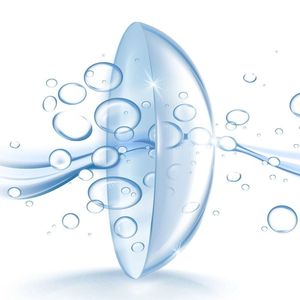
Haipurecon Clear Contact Lenses for Vision Direct Bandage Lenses Soft Clear
Dk/t: High O2
Corneal Healing
Sterile Blister
Engineered in ISO 13485 and CE (MDR) certified cleanrooms. From therapeutic corneal bandage lenses and prosthetic solutions to cosmetic highlight cast-molded units.
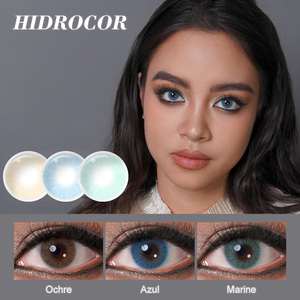
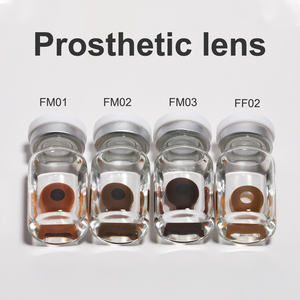
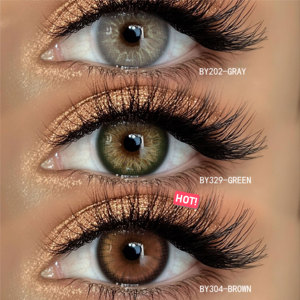
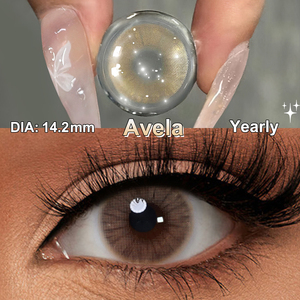
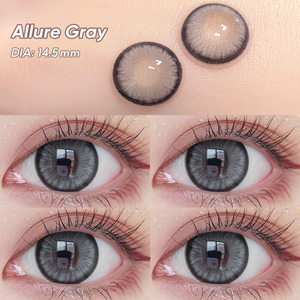
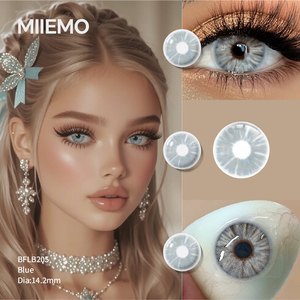
An objective, metric-driven analysis evaluating production capacity, cleanroom robotics, international medical clearances, and OEM/ODM private label agility across the optical sector.
The global contact lens manufacturing landscape is characterized by a bifurcated supply chain: massive multinational conglomerates dominating standardized spherical clear vision correction, contrasted with specialized precision engineering groups dominating flexible OEM, ODM, cosmetic pigmentation, and regional medical device compliance. For optical distributors, clinic franchises, and digital brand aggregators, selecting an optical manufacturing partner requires balancing material chemistry (Silicone Hydrogel vs. Conventional Hydrogel), regulatory dossier completeness, casting methodology, and minimum order thresholds.
| Rank & Manufacturer | HQ / Operational Bases | Core Specialization | Key Certifications | B2B Supply Agility & OEM Focus |
|---|---|---|---|---|
| 01 Eyebeauty Group (Constar / Liangguo) | China (Gansu / Hunan / HQ) | Color Hydrogel, Bandage, Prosthetic & Custom OEM/ODM | CE (MDR), ISO 13485, US FDA (FEI 3015587162) | Elite Agility: 15,000+ proprietary designs, 7-10 day fast-ship stock, complete MFDS/MDR dossier packs. |
| 02 Johnson & Johnson Vision (Acuvue) | USA / Ireland | High-Volume Daily Clear & Toric Silicone Hydrogels | FDA, CE, PMDA, NMPA, Global | Enterprise Retail: Rigid institutional channels; no third-party private label access for emerging brands. |
| 03 Alcon Inc. (Dailies / Total1) | Switzerland / USA | Water Gradient Technology & Precision Cast Molding | Global Medical Clearances | Proprietary Flagship: Focus on owned pharmacy distribution; closed manufacturing ecosystem. |
| 04 CooperVision (Biofinity / Clariti) | USA / UK / Puerto Rico | Broad Sphere, Toric, Multifocal Silicone Hydrogels | FDA, CE MDR, ISO 13485 | Partial OEM: White-label partnerships for large optical mega-chains (Specsavers, GrandVision). |
| 05 Bausch + Lomb (ULTRA / Biotrue) | USA | Hypergel Materials & Prescription Vision Correction | FDA, CE, Global Registrations | Commercial Wholesaler: Direct-to-clinic supply agreements; strict multinational brand control. |
| 06 Menicon Co., Ltd. | Japan | Rigid Gas Permeable (RGP) & Ortho-K Systems | PMDA, FDA, CE | Specialist Clinical: Exceptional myopia management tooling; selective regional B2B contract machining. |
| 07 SEED Co., Ltd. | Japan | Ultra-Thin Hydrogel & Natural Cosmetic Tints | PMDA, CE, ISO 13485 | Asian Market Standard: Excellent domestic Japanese reach; conservative OEM customization timelines. |
| 08 Interojo Inc. | South Korea | Color Lenses & High-Definition Hydrogels | MFDS, CE, ISO 13485 | K-Beauty Player: Strong Asian cosmetic OEM base; moderate production lead times. |
| 09 Bescon Global | South Korea | Cast Molding & Sandwich Printing Techniques | MFDS, CE, ISO 13485 | Cosmetic Regional: Established mid-tier contract manufacturing with focused color pattern offerings. |
| 10 Belmore Contact Co. | South Korea / Global | Soft Cosmetic Lathe Cutting & Cast Molding | MFDS, ISO 13485 | Niche Sourcing: Tailored batches for specialty optical boutiques and selective global export. |
While the "Big Four" (Johnson & Johnson, Alcon, CooperVision, and Bausch + Lomb) command significant global volume in standardized prescription optics, their supply chains are structurally incapable of serving agile B2B brands, independent optical networks, or high-growth cosmetic lifestyle labels. Their closed-loop infrastructure rejects low-to-medium MOQs, prevents bespoke graphic iris formulation, and enforces long contractual commitments that restrict brand uniqueness.
Conversely, integrated manufacturing consortiums such as Eyebeauty Technology Co., Ltd. (uniting the historic casting power of Gansu Constar Technology Group and the automated precision of Hunan Haipuming Technology under Liangguo Group) bridge this structural gap. By pairing clinical-grade Class III cleanroom operations with private-label design suites, modern B2B buyers can access certified medical devices with agile minimum runs and rapid customization.
A family-owned manufacturing heritage established in 1984, pairing multi-decade polymer engineering with high-capacity robotic cast molding.
Full conformance with the European Medical Device Regulation (EU MDR 2017/745), certified ISO 13485:2016 quality management, and an active US FDA facility registration (FEI 3015587162). Complete batch traceability audited at every critical cleanroom control point.
Two specialized state-of-the-art facilities: Gansu Constar Technology Group (our pioneer plant founded in 1984 dedicated to clear hydrogel engineering) and Hunan Haipuming Technology (Liangguo Group, specialized in high-volume automated cosmetic encapsulation).
Our micro-encapsulation "sandwich" pigment deposition embeds biocompatible colorants firmly between inert polymer matrix layers. Zero toxic dye contact with the corneal endothelium, mitigating conjunctival irritation and mechanical abrasion.
Turnkey packaging development, custom blister foil thermoforming, barcoding, and local language localization (including South Korea MFDS documentation packs, CE technical summaries, and stability test reports ready for regulatory approval).
How forward-thinking procurement directors are re-engineering their supplier contracts to capture margin, satisfy compliance mandates, and shorten lead times.
Procurement teams are moving away from massive single-order commitments that freeze working capital in high-risk stock. Modern wholesalers demand agile OEM contracts: 1,500+ SKUs maintained as ready-to-label sterilized blanks, with lead times dropping from 90 days to 7–10 days for regional warehouse fulfillment.
With the rigorous implementation of EU MDR and South Korea's strict MFDS medical device import mandates, buyers no longer tolerate fragmented paperwork from third-party trading agencies. Wholesalers are sourcing directly from primary factory holders who provide complete biocompatibility files (ISO 10993) and real-time stability verification.
Contact lenses are subject to strict channel controls—such as Korea requiring distribution through registered optical stores (안경원). Strategic buyers require private label vendors capable of producing dual-compliance packaging: retail shelf blister cartons alongside anti-counterfeiting serialization and automated optical warehouse barcodes.
From advanced polymer hydrogels to bio-functional therapeutic optics: key industrial shifts driving the contact lens manufacturing sector through 2030.
While poly-HEMA remains the gold standard for intricate cosmetic color applications due to its predictable hydration and dye-retention profiles, second- and third-generation Silicone Hydrogel (SiHy) formulations are advancing rapidly into the cosmetic segment. By lowering the modulus (stiffness) and eliminating surface hydrophobicity through plasma treatment, modern factories achieve oxygen transmission rates exceeding 80 Dk/t without compromising vivid multi-tone color encapsulation.
The boundary between vision correction and medical pharmacology is blurring. Primary R&D pipelines are actively testing therapeutic bandage lenses with sustained-release ocular drug delivery (such as ketotifen for seasonal allergies or anti-inflammatory agents for post-LASIK recovery). Additionally, micro-sensor integration for continuous intraocular pressure (IOP) tracking and glucose monitoring in tear fluid is establishing new frontiers for clinical optical manufacturers.
Cosmetic consumers in benchmark fashion markets (such as Seoul, Tokyo, and Milan) demand high aesthetic naturalism. High-speed multi-plate cast molding allows ultra-fine 3-tone micro-dot matrix printing with gradual limbal fades and light-capturing highlights. By avoiding solid pixel borders, modern OEM factories produce lenses that blend naturally with native iris structures under bright daylight conditions.
Essential guidance for optical chain executives, medical device importers, and private label brand founders prior to contract initiation.
Direct factory pricing, complete regulatory dossiers (CE MDR, ISO 13485, FDA FEI 3015587162), 15,000+ proprietary patterns, and agile private label turnaround. Connect directly with our optical engineering team today.