42+
Years Industry Heritage (Since 1984)
15,000+
Proprietary Color Designs Engineered
100%
CE (MDR) & ISO 13485 Cleanroom Traceability
126+
Countries & Optical Networks Supplied
Factory Direct Portfolio
Precision Cosmetic Contact Lenses & Packaging Infrastructure
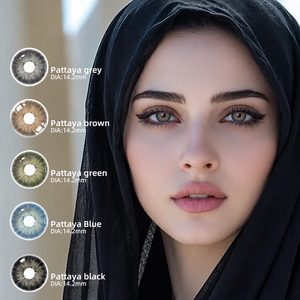
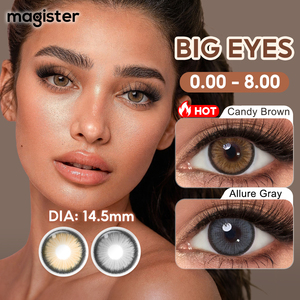
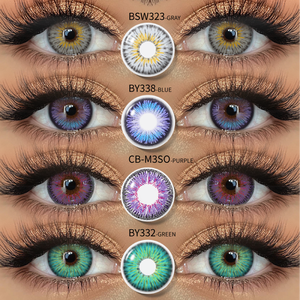
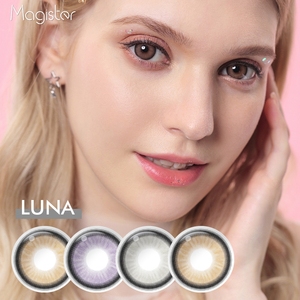
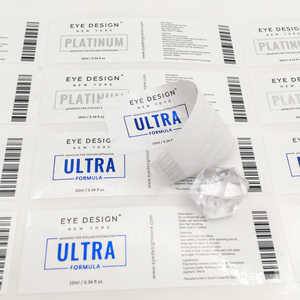
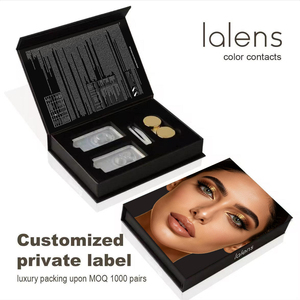
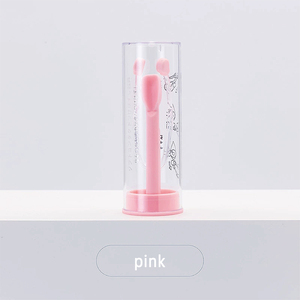
Explore our certified medical-grade colored contact lenses, ergonomic removal tools, and high-barrier private label custom packaging solutions, designed specifically for commercial retail optical chains and beauty distributors worldwide.
Dual Manufacturing Campuses
Integrated Manufacturing Infrastructure Since 1984
Eyebeauty operates as the global marketing and technical support arm of our family-owned industrial group. Unlike trading intermediaries or third-party sourcing agents, we directly operate two advanced medical device production campuses, ensuring uncompromising batch-to-batch consistency and full regulatory documentation.
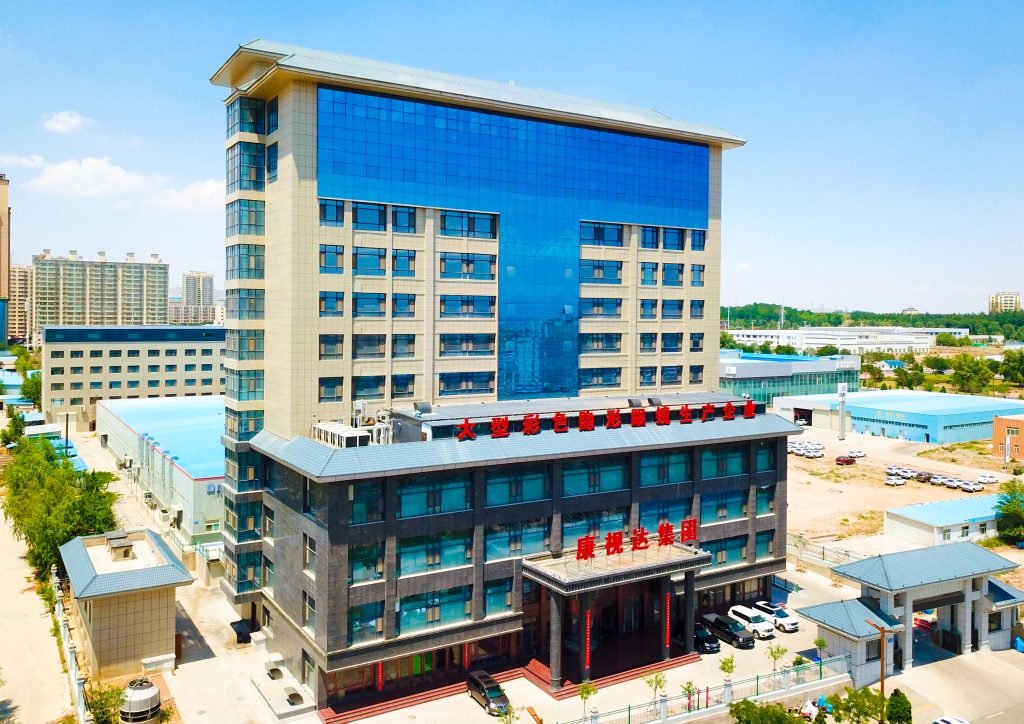
Gansu Constar Technology Group (Est. 1984)
Our pioneer research and manufacturing foundation with over 42 years of technical innovation. Specializes in hydrogel material polymer synthesis, automated cast-molding systems, and medical-grade precision optic toolings.
CE (MDR) Certified
ISO 13485 QMS
42+ Years History
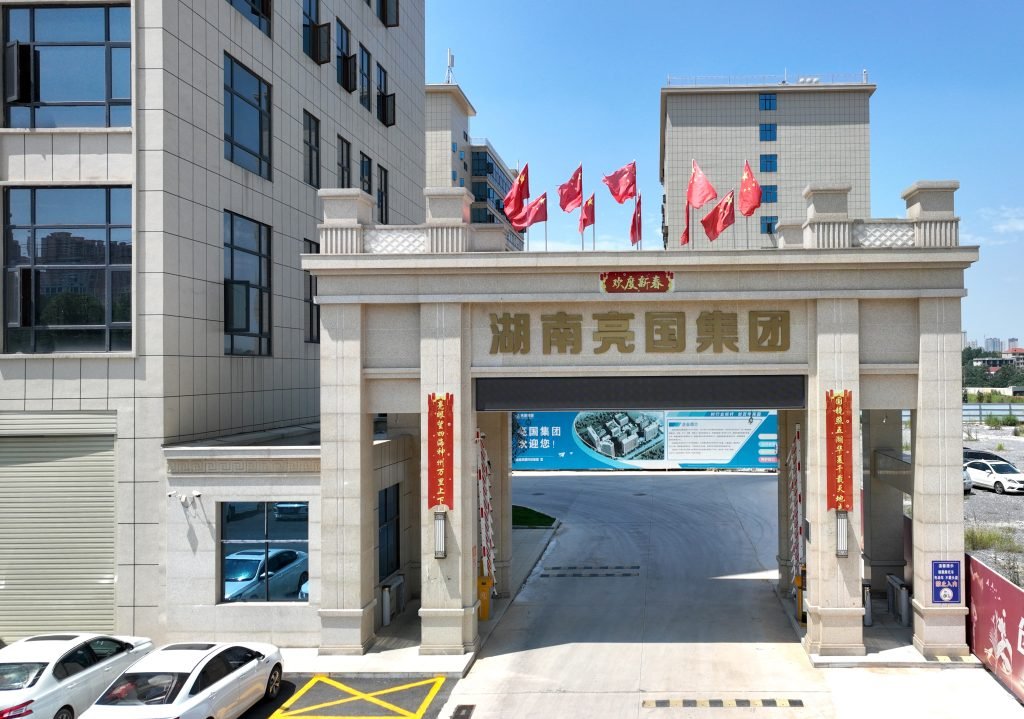
Hunan Haipuming Technology (Liangguo Group)
Our dedicated cosmetic color lens smart-factory. Features automated sandwich-printing lines, Class 100,000 cleanrooms, and computerized photometric inspection lines for large-scale OEM/ODM brand manufacturing.
FDA Registered (FEI 3015587162)
Automated Printing
Sandwich Technology
Strategic Industry Trends
Emerging Procurement Patterns & Technological Evolution (2025–2030)
A technical guide for category managers, optical dispensary owners, and cross-border brand owners seeking sustainable supply security and market differentiation.
1. Material Shift to Silicone Hydrogel (SiHy)
Traditional poly-HEMA hydrogel matrices (Dk 8.5 to 12) are rapidly transitioning toward third-generation Silicone Hydrogel formulations delivering Dk/t values exceeding 80–120. Corporate buyers must evaluate supplier compounding patents to satisfy growing consumer demand for end-of-day comfort, extended wearability, and reduced corneal hypoxia complications.
2. High-Precision Micro-Sandwich Encapsulation
Global regulatory bodies like the FDA, CE, and Korea MFDS enforce rigorous migration testing on organic pigments. Future procurement prioritizes suppliers utilizing triple-layer automated cast-molding encapsulation, ensuring cosmetic color pigments remain 100% isolated between transparent hydrogel membranes with zero contact against corneal tissue.
3. Accelerating Daily Disposable (1-Day) Dominance
While monthly and yearly lenses retain distinct budget appeal in emerging regions, metropolitan optical retail is governed by ultra-hygienic daily disposable modalities. Optical distributors report higher customer lifetime value (LTV) and repurchase frequencies, prompting manufacturers to invest in fully automated high-speed blister packing machinery.
4. Medical Device Auditing & Regulatory Barriers
The introduction of the European Medical Device Regulation (EU MDR 2017/745) and heightened MFDS compliance has made generic sourcing obsolete. Brands must partner with Chinese manufacturers that maintain active Class IIb / Class III medical manufacturing credentials, complete biocompatibility test files (ISO 10993), and full batch traceability systems.
5. K-Beauty Aesthetic Mimicry & Micro-Patterns
Modern consumers demand seamless blending over dramatic artificial transformation. Top-performing SKUs leverage complex asymmetric highlight prints, soft limbal rings, gradient iris textures, and micro-dot pigment distribution with pantone-matched ash brown, olivia green, and mist grey tones calibrated across differing base eye pigments.
6. Sustainable Packaging & Supply Chain Resilience
Brands are redesigning outer packaging around recyclable FSC-certified rigid paperboards and degradable polypropylene foils. Sourcing directors are prioritizing direct factory partnerships like Eyebeauty that integrate lens molding, blister packaging, private labeling, and sterilization within a single audited campus to reduce landed lead times.
Strategic Sourcing FAQ
Common Inquiries from Global Optical Procurement Directors
Essential guidance covering international certification, OEM printing methods, private label custom packaging, and supply chain logistics.
Are colored cosmetic contact lenses categorized as medical devices?
Yes. Across virtually all major international jurisdictions—including the US FDA, European Union (EU MDR), South Korea MFDS, and China NMPA—both plano (zero power) and prescription colored cosmetic contact lenses are legally categorized as Class IIb or Class III medical devices. Manufacturing, labeling, and distribution must adhere strictly to certified medical quality management protocols such as ISO 13485.
What is the Sandwich printing technique and why is it mandatory?
The Sandwich (encapsulation) technique binds color pigments securely inside the inner matrix of the hydrogel lens, completely separating the pigments from both the corneal epithelium and the eyelid tarsal conjunctiva. This process prevents pigment migration, ocular irritation, allergic blepharitis, and toxic leaching, representing the clinical gold standard for safe cosmetic contact lens wear.
Can Eyebeauty produce Korean-language private label packaging?
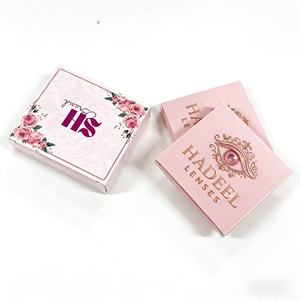
Yes. Eyebeauty collaborates extensively with Korean brand owners, optical chains, and licensed importers. We provide tailor-made primary blister packaging, glass vials, custom-cut rigid kraft boxes, and bilingual Korean/English legal labeling strictly compliant with the South Korean Ministry of Food and Drug Safety (MFDS) packaging directives.
What are the standard Minimum Order Quantities (MOQs) for OEM/ODM?
For stock proprietary color designs under our fast-track private label system, MOQs can start as low as 500 to 1,000 pairs across standard prescription ranges (-0.00D to -8.00D). For fully bespoke pattern development, personalized diameter/base curve configurations, and exclusive packaging boxes, customized production runs generally begin at 5,000 to 10,000 pairs per SKU.
What technical documentation do you provide for local registration?
We supply comprehensive manufacturer technical dossiers including ISO 13485 certificates, CE (MDR) declarations of conformity, sterile barrier validation reports, biological evaluation records (ISO 10993 cytotoxicity, ocular irritation, sensitization), accelerated stability test data, and detailed batch release certificates of analysis (CoA).
What is the typical production and delivery timeline for custom orders?
Ready-to-ship stock items are dispatched within 7–10 working days. For custom private-label OEM manufacturing runs with complete packaging printing and terminal autoclave sterilization, standard production cycles require approximately 25 to 35 days, followed by priority expedited air or standard multimodal sea freight.