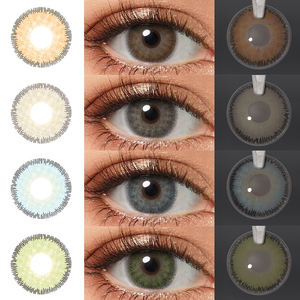
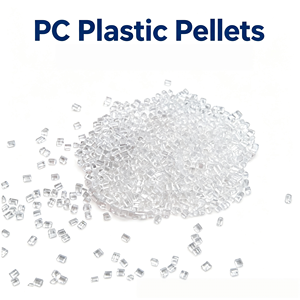
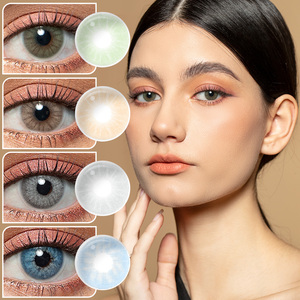
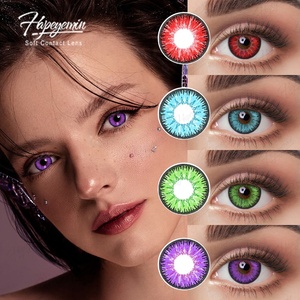
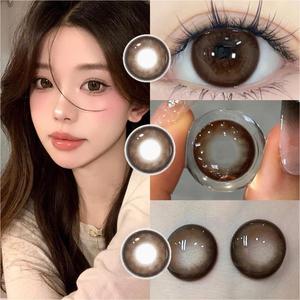
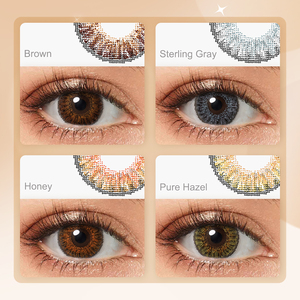
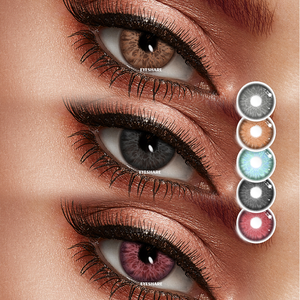
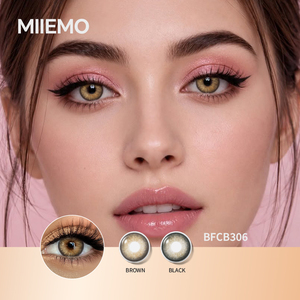
Top 10 Colored Contact Lens Manufacturer Exporter & Exporters

Global OEM/ODM Whitepaper: Comprehensive Sourcing Intelligence, Regulatory Roadmaps (MDR, FDA, MFDS), and Manufacturing Technology Breakdown for B2B Importers

Factory-Direct Verified Contact Lens Lines & Precision Optics

Engineered under cleanroom ISO Class 7/8 facilities with automated cast molding and full-sandwich color encapsulation. Select an export series below or request custom batch formulas.

42+
Years Manufacturing Heritage (Since 1984)
15,000+
Exclusive Color Patterns Formulated
126+
Countries & Jurisdictions Exported
1,500+
Ready-To-Ship SKUs In Continuous Stock

Industry Whitepaper: The Global Anatomy of Top 10 Colored Contact Lens Exporters

Authoritative B2B Sourcing Analysis: Engineering Criteria, Clinical Safety, and Quality Control Thresholds

In global cosmetic ophthalmology and ophthalmic medical device procurement, navigating the landscape of the top 10 colored contact lens manufacturer exporter & exporters requires far more than aesthetic pattern appraisal. Contact lenses—whether tinted with natural hues, formulated for dramatic cosmetic change, or engineered with refractive optical powers—are designated as Class IIa or Class IIb medical devices in the European Union (under MDR 2017/745), Class II or Class III medical devices by the US FDA, and tightly regulated medical goods by the South Korean Ministry of Food and Drug Safety (MFDS) and Japan PMDA.

A premier contact lens exporter is distinguished by its vertically integrated engineering pipeline: from high-purity monomer synthesis (hydroxyethyl methacrylate - HEMA, N-vinylpyrrolidone - NVP, or methacryloxypropyltris silicone derivatives) to cleanroom automated cast molding, robotic micro-injection, proprietary color layer isolation, high-temperature autoclave terminal sterilization, and batch-level physicochemical validation. Trading intermediaries and third-party packaging houses without manufacturing hardware can neither guarantee physiological corneal safety nor provide the comprehensive technical dossiers required to clear strict customs inspections.

“Information Gain for Strategic Buyers: True manufacturing pedigree in colored contact lens export is characterized by zero pigment leaching, guaranteed corneal oxygen transmissibility (Dk/t ≥ 20 for hydrogel, ≥ 80 for silicone hydrogel), and uncompromised surface wettability with low contact angles (< 45°). Importers must verify automated AOI (Automated Optical Inspection) logs and terminal autoclave cycle certifications for every single production lot.”

When procurement officers analyze tier-1 contract manufacturers across Asia, Europe, and Latin America, four critical manufacturing indices separate elite medical-grade factories from uncertified cosmetic workshops:

  • Full-Sandwich Encapsulation Technology (Plusierus / Micro-encapsulation): In sub-standard manufacturing, pigments are applied directly to the lens surface, subjecting the human corneal epithelium to direct chemical friction and toxic monomer migration. Elite exporters utilize double-layer polymer sandwiching where cosmetic pigments are hermetically enclosed within inert matrix layers, ensuring that colorants never touch corneal or conjunctival tissues.
  • Cast-Molding Tooling Precision: Precision diamond-turned CNC optical tooling dictates base curve consistency (typically 8.5mm to 8.7mm radius) and sagittal depth. High-end exporters eliminate center thickness variations (±0.005mm tolerance) to maintain stable tear exchange underneath the lens.
  • Automated Vision System (AOI) Defect Screening: Production lines must feature multi-angle high-speed CCD camera arrays that analyze 100% of finished lenses inside unsealed blister cavities for edge chips, micro-bubbles, particulate inclusions, and pigment off-centering.
  • Biocompatibility and Toxicological Dossiers: Global medical authorities demand cytotoxicity assays (ISO 10993-5), ocular irritation testing (ISO 10993-10), and systemic toxicity screenings proving finished polymer safety before granting commercial import clearance.

Technical Evaluation Rubric: Global Exporters vs. Generic Trading Brokers

Evaluation Parameter Eyebeauty Industrial Group (OEM/ODM Factory) Standard Commercial Wholesalers White-Label Brokers
Manufacturing Heritage 42+ Years (Founding Factory Gansu Constar Est. 1984) 3 to 8 Years (Intermediary Sales) Variable (No Owned Plants)
Color Encapsulation ✓ Patented In-Matrix 3D Sandwich Enclosing Surface Pad Printing (High Leaching Risk) Outsourced Dependent
Regulatory Credentials ✓ CE (MDR 2017/745), ISO 13485, US FDA FEI 3015587162 Partial ISO 9001 Only Third-Party Borrowed Dossiers
Korea MFDS Dossier Support ✓ Complete Manufacturer-Side Test Packs Provided ✗ None Available ✗ High Regulatory Friction
R&D Pattern Library 15,000+ Formulated Designs, 100+ Yearly Releases Generic Catalog (~200 SKUs) Unverified Public Stock
Batch Consistency Continuous Cast Molding with Automated Optical Inspection Mixed Lots from Multiple Sub-suppliers No Lot-to-Lot Color Guarantee

Future Procurement & Technological Trends in Cosmetic Contact Lens Manufacturing

Strategic Forecast: Navigating Material Evolution, K-Beauty Micro-Design, and Regulatory Convergence

The global aesthetic contact lens market is undergoing an unprecedented structural transformation. Historically dominated by annual-wear cast lenses sold primarily for novelty and cosplay, procurement spend has aggressively shifted toward daily disposable silicone hydrogel platforms, natural iris-enhancement pigments, and omnichannel medical brand building. Enterprise buyers, optical retail chain category managers, and private-label brand owners must strategically realign their sourcing pipelines with four dominant global procurement trends:

1. Silicone Hydrogel Migration

While traditional HEMA provides flexible comfort, future procurement favors Silicone Hydrogel (SiHy) daily lenses delivering oxygen transmissibility values exceeding 80 Dk/t, combating hypoxic corneal edema and enabling all-day 14-hour wear cycles for busy metropolitan consumers.

2. K-Beauty Micro-Gradient Shift

Harsh, wide black limbal rings have fallen out of favor in high-margin markets. Modern demand centers on hyper-delicate 14.0mm to 14.2mm total diameters, soft feathered edges, highlight/glow crescents, and olive, tea-brown, and ash-grey tones simulating genuine iris stroma patterns.

3. European MDR & Global Compliance

With the rigorous enforcement of EU Medical Device Regulation (MDR 2017/745), uncertified exporters are rapidly losing European and Middle Eastern market access. Importers require manufacturing partners with full Notified Body clinical evaluation reports (CER) and UDI serialization.

4. Daily Disposable Format Dominance

Single-use daily disposable colored lenses now represent the fastest revenue growth category in licensed optical boutiques and eye clinics. Eliminating lens cases and chemical disinfecting solutions drastically lowers microbial keratitis risks and boosts repeat retail reorders.

5. Agile Small-Batch Customization (SKU Scalability)

Emerging D2C beauty brands cannot support massive 50,000-unit minimum orders per SKU. The competitive edge belongs to exporters providing low-MOQ rapid trial manufacturing, allowing cosmetic houses to test limited seasonal collections before scaling full production batches.

6. Optical Multi-Functionality & Prescription Powers

Aesthetic lenses are no longer restricted to 0.00 plano cosmetic wearers. High-growth exporters maintain expansive prescription inventories ranging from -0.50 to -8.00 diopters, integrating blue-light filtering, UV400 radiation blockers, and advanced toric stabilization geometry for astigmatic patients.

Enterprise Competence: Eyebeauty Technology Group Manufacturing Backbone

Direct Factory Ownership, Generational Expertise, and Multijurisdictional Regulatory Assets

Operating as the specialized international marketing, engineering, and compliance headquarters for an esteemed industrial optical manufacturing group, Eyebeauty Technology Co., Ltd. offers global buyers direct factory transparency with uncompromising institutional backing. Our operational foundations trace back to 1984 with the establishment of Gansu Constar Technology Group—pioneers in soft contact lens chemistry for over four decades—and expanded through Hunan Liangguo Group, whose Hunan Haipuming Technology modern facility leads our cosmetic and specialty lens lines.

Unlike trading intermediaries, Eyebeauty provides an unbroken chain of custody from monomer formulation to sterile packaging. Our plants operate under certified ISO 13485 Medical Device Quality Management Systems and maintain official CE (MDR) approval, paired with an active FDA-Registered Facility (FEI: 3015587162). Through our established proprietary retail brands—MILLCREEK, KSSEYE, Haipurecon, and DUOXIU—our optical and cosmetic formulations undergo rigorous commercial proof across 126 international markets before we adapt them into bespoke OEM/ODM private-label programs.

42+ Years Optical R&D

Continuous family-owned manufacturing legacy since 1984, ensuring peerless polymer stability, cast-molding repeatability, and clinical safety.

Agile Supply Chain & Stock

1,500+ standard fast-moving SKUs maintained in climate-controlled warehouses, ready for dispatch within 7 to 10 working days.

15,000+ Design Archive

Extensive library of Pantone-validated color matrices, 3-tone natural blends, cosmic sparkle layers, and high-contrast dramatic lenses.

Turnkey Private Label

Custom blister foil heat-sealing, tamper-evident vials, multi-lingual inner leaflets, barcode serialization, and localized retail box design.

Dedicated South Korea Compliance & Optical Distribution Protocol

The South Korean contact lens market (컬러렌즈 시장) represents one of the world's most sophisticated and strictly supervised optical ecosystems. Under the Medical Device Act enforced by the Ministry of Food and Drug Safety (MFDS), contact lenses cannot be retailed through general online consumer marketplaces; they are legally confined to licensed physical optical stores (안경원) and authorized ophthalmic dispensaries. Eyebeauty maintains dedicated manufacturer-side compliance dossiers specifically formatted to assist Korean importing licensees.

MFDS Technical Dossiers ISO 13485:2016 Certified CE (MDR 2017/745) US FDA FEI 3015587162 Korean Hangul Packaging Support

Technical & Sourcing FAQ: Critical Insights for B2B Importers

Clear Answers to Critical Regulatory, Chemical, and Logistical Sourcing Questions

How does Eyebeauty guarantee zero pigment migration in cosmetic contact lenses?
We employ a proprietary triple-sandwich cast molding process. A virgin transparent base layer of hydrogel polymer is first formed inside the optical mold. The non-toxic, FDA-approved cosmetic colorant is then applied via automated high-resolution micro-matrices, followed by a secondary sealing layer of pure medical polymer. This creates a permanent 3D encapsulation envelope. The finished lens undergoes solvent extraction testing and chemical wipe resistance assays according to ISO standards, ensuring that colorants never touch ocular tissue and preventing corneal abrasions or pigment leaching.
What documentation does Eyebeauty provide for South Korean MFDS import approval?
Under South Korean regulations, the local corporate entity (importer/licensee) submits the Device Master File. As your manufacturing partner, Eyebeauty equips your regulatory counsel with our complete factory-side technical package: ISO 13485:2016 quality system audit certificates, CE (MDR) conformity declarations, complete physical and chemical test reports (water content, light transmittance, dimensional stability), full ISO 10993 biocompatibility dossiers, steam autoclave sterilization validation data, accelerated stability shelf-life data, and three consecutive batch release inspection records.
What are the minimum order quantities (MOQs) and lead times for OEM private label orders?
For existing formulations and catalog design patterns packaged under your private brand, our baseline MOQ typically starts at 500 to 1,000 pairs per SKU/power. For fully customized lens patterns developed exclusively for your brand, initial mold setup and sampling require approximately 3 to 4 weeks, with commercial production runs taking 25 to 35 business days following packaging foil artwork sign-off. If selecting from our ready-to-ship stock (over 1,500 active references), orders ship within 7 to 10 days.
Can you manufacture prescription colored contact lenses with high diopter ranges and astigmatism (Toric)?
Yes. Our automated cast-molding lines accommodate standard spherical powers from 0.00 (plano cosmetic) down to -8.00D (-0.25D increments up to -6.00D, and -0.50D increments from -6.00D to -8.00D). For custom OEM programs, we can produce specialty high-myopia ranges up to -10.00D, as well as prism-ballasted or dynamic thin-zone toric colored contact lenses designed to correct astigmatism while preserving perfect color orientation on the eye.
What primary packaging configurations are supported for international export?
We provide both sterile PP (polypropylene) blister packs with heat-sealed medical-grade aluminum foils (available in 1-pack, 2-pack, 10-pack, and 30-pack daily formats) and traditional sterile 5ml or 10ml glass medical vials with crimped aluminum-plastic safety caps. Every blister or vial is filled with buffered saline containing moisturizing agents (such as sodium hyaluronate or poloxamer), fully sterilized via terminal saturated steam autoclaving, and labeled with high-adhesion barcodes and batch numbers.

Ready to Engineer Your Contact Lens Brand with a Proven Factory Partner?

Connect directly with our senior optical engineering and international regulatory team. Whether launching a K-Beauty inspired daily collection, expanding retail optical chain distribution, or securing complete MFDS/MDR compliance files, our factory provides direct access to 42 years of vision care excellence.

Send an Inquiry