Engineered For Optical Chains & Brands
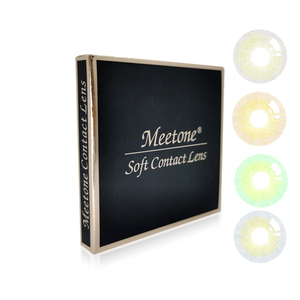
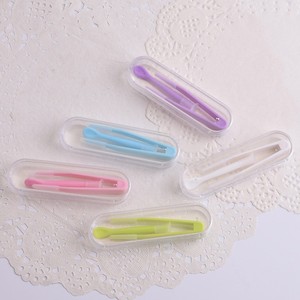
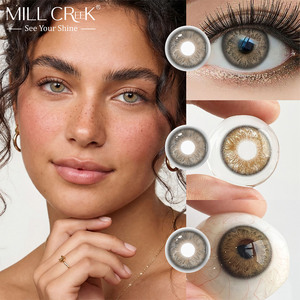
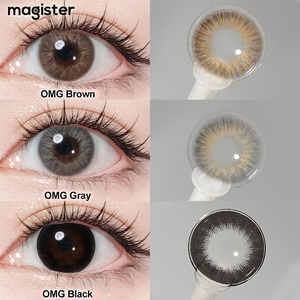
Featured OEM/ODM Cosmetic & Specialty Lenses
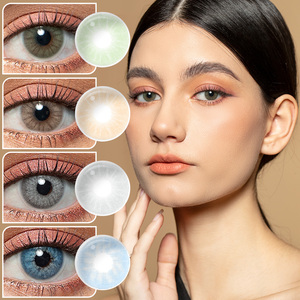
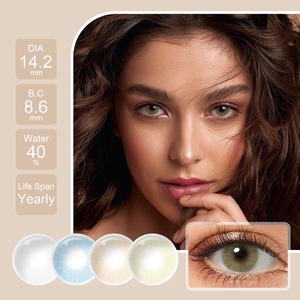
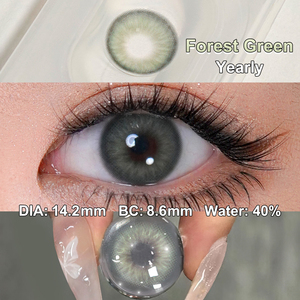
Explore our top-performing export SKUs engineered for Asian and global corneal fits. Fully customizable across color matrices, water ratios, packaging formats, and precision power ranges (-0.00 to -10.00D).
42+
Years of Manufacturing (Since 1984)
15,000+
Proprietary Color Matrices
126+
Export Destination Countries
100%
Cleanroom Sandwich Color Lock
Direct Manufacturing Hegemony
Why Top Global Brands Partner with Eyebeauty
Unlike trading agencies or regional brokers, Eyebeauty operates as the global commercial engine of our own Class III medical device manufacturing facilities.
MDR & ISO 13485 Certifications
Full CE (MDR) compliance, strict ISO 13485:2016 quality management systems, and FDA facility registration (FEI: 3015587162) guarantee sterile, uncompromised safety.
Micro-Encapsulation Sandwich Tech
Pigments are embedded between biocompatible hydrogel layers, eliminating corneal abrasion risks while ensuring rich, non-fading optical color rendition.
Agile MOQ & Private Labeling
Rapid graphic design, Korean/English blister foil customization, tailored secondary packaging, and flexible production runs configured to accelerate brand rollouts.
Full MFDS Regulatory Dossiers
Specialized documentation support for South Korean MFDS registration, delivering bio-compatibility protocols, sterilization validations, and raw-material traceability.
Industry Intelligence & Semantic Deep-Dive
Future Procurement Trends & Technology Roadmap (2025–2030)
For procurement directors, optical retail chain buyers, and digital brand creators looking to build sustainable margins in the fast-evolving Korean cosmetic vision care sector.
Material Science Evolution
Silicone Hydrogel Supremacy
While poly-HEMA remains a staple for annual value lines, the global and Korean markets are rapidly pivoting toward 3rd-generation Silicone Hydrogel polymers. Buyers are demanding Dk/t values exceeding 80 units combined with hydrophilic surface coatings (e.g., MPC polymer grafting or hyaluronic acid infusion) to combat ocular dryness induced by prolonged screen exposure.
Aesthetics & Wear Modality
Daily Disposables & Micro-Diameters
Consumer preferences in Seoul, Tokyo, and European fashion capitals have shifted away from oversized 14.8mm 'circle lens' borders. The predominant growth driver is now 14.0mm to 14.2mm outer diameter lenses featuring subtle graphic diameters (13.0mm–13.3mm) with gentle limbal feathering, packaged predominantly in single-use 10-pack and 30-pack daily blister units.
Regulatory Governance
MDR Stringency & Supply Chain Resilience
With global medical regulatory harmonization tightening, regional brand operators can no longer rely on uncertified suppliers. Procurement strategies now prioritize Tier-1 manufacturers equipped with comprehensive technical design files, dynamic post-market surveillance (PMS), and validated biocompatibility testing (ISO 10993) to protect optical retail shelf licenses.
Our Production Infrastructure
State-of-the-Art Cast Molding Facilities
Total vertical integration across high-precision lathe cutting, automated injection molding, robotic sandwich color printing, and medical autoclave sterilization.
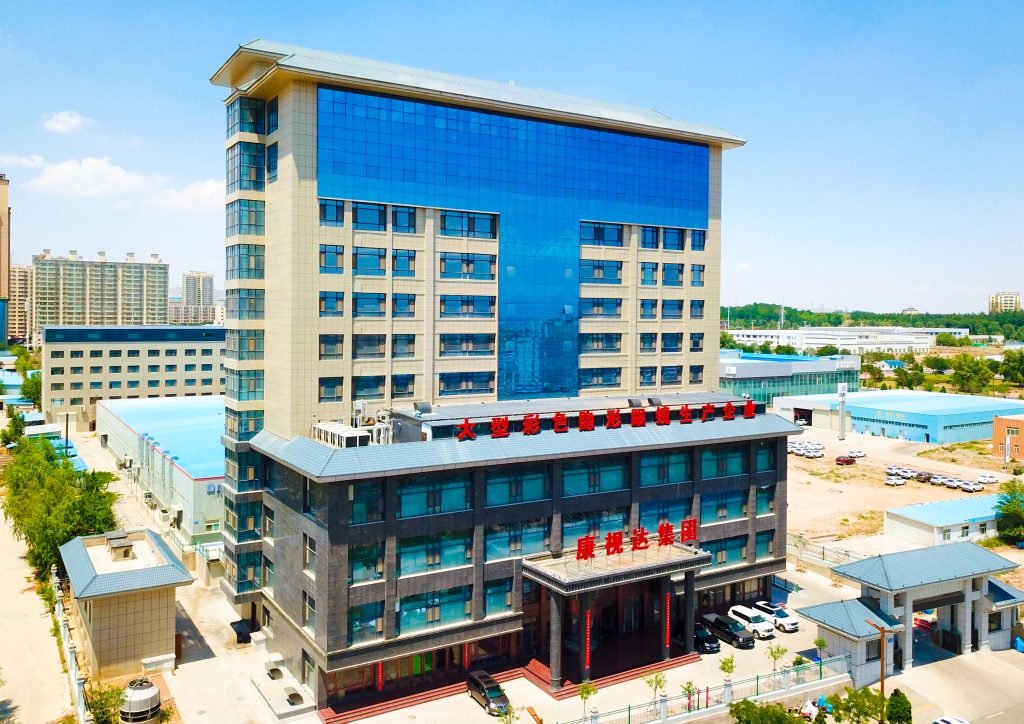
Gansu Constar Technology Group
Our pioneer manufacturing plant boasting four decades of optical hydrogel synthesis, precision lathe craftsmanship, and automated cleanroom blister packaging.
CE (MDR) Certified
ISO 13485:2016
Automated Inspection
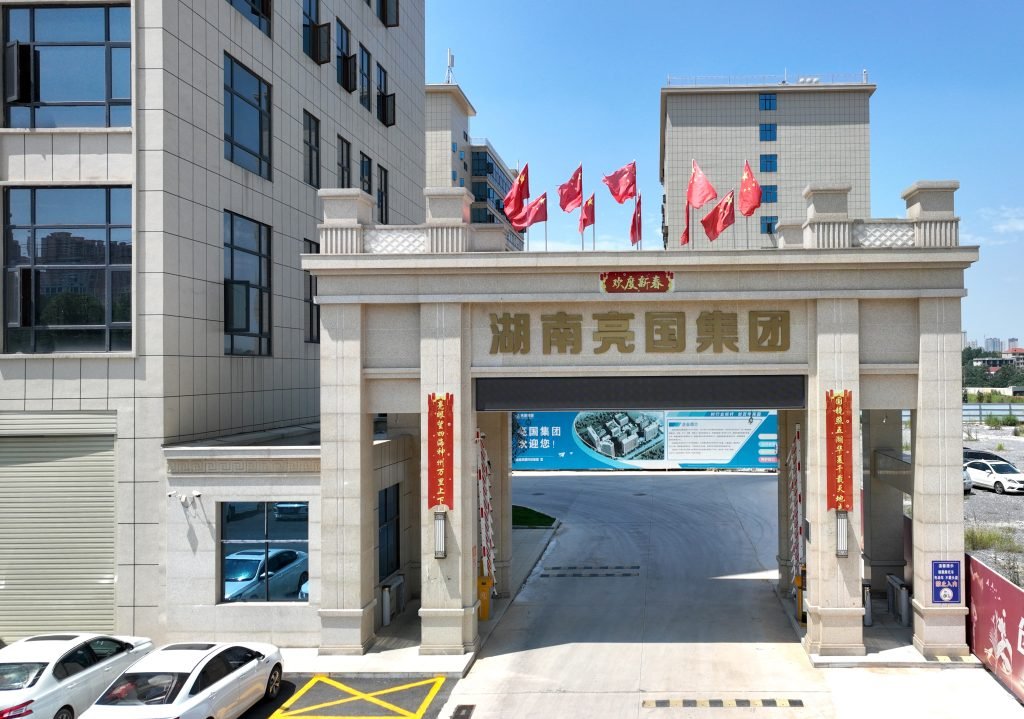
Hunan Haipuming Technology Co., Ltd.
Specialized center of excellence for high-throughput cosmetic color contact lenses, micro-encapsulation sandwich dotting, and customized private label export production.
FDA Registered Facility
100K Class Cleanrooms
Custom Blister Packaging
Procurement Advisory
Frequently Asked Sourcing & Regulatory Questions
Comprehensive operational answers regarding regulatory approvals, sampling, MOQ structures, and private label customization protocols.
How does Eyebeauty support South Korean MFDS import approvals?
Under South Korea's Ministry of Food and Drug Safety (MFDS) regulations, cosmetic and corrective contact lenses are classified as Class II or III medical devices. The Korean domestic license holder must register the product. We supply the comprehensive foreign manufacturer technical documentation: ISO 13485 certificates, Device Master Files (DMF), complete biocompatibility reports (cytotoxicity, ocular irritation, systemic toxicity), manufacturing process validations, and real-time stability verification data.
What is the minimum order quantity (MOQ) for custom private label projects?
For existing catalog designs in standard blister foils, our wholesale MOQ starts as low as 500 to 1,000 pairs across standard power ranges. For fully custom OEM projects featuring bespoke graphic design artwork, customized base curves (BC), unique water content formulations, and custom-printed foil lids and folding boxes, the typical production batch MOQ ranges from 3,000 to 5,000 pairs per SKU.
Can you manufacture Korean-compliant dual-language packaging?
Yes. Our packaging design engineering department specializes in dual-language typography (Korean Hangul & English) complying with strict local labeling mandates. This includes proper positioning of product legal titles, MFDS approval numbers, lot batch numbers, sterilization indicators, expiration dating, and full barcode integration (EAN-13, GS1-128, or DataMatrix).
What is the standard production cycle and international shipping timeline?
In-stock wholesale orders are dispatched within 5 to 7 business days. Custom OEM production cycles—encompassing color layer printing, polymerization, hydration inspection, packaging, and autoclave steam sterilization—typically take 25 to 35 working days following sample approval. Air express shipments to Incheon International Airport or Busan Port arrive within 2 to 4 transit days.
Ready to Launch or Expand Your Contact Lens Brand?
Partner with a premier, audited medical manufacturer. Request full product catalogs, high-resolution graphic archives, material specification sheets, and factory direct quotes today.