Direct Factory Catalog
Featured Cosmetic Contact Lens Formulations & Custom Packaging
Explore production-ready contact lens collections designed for high oxygen permeability, natural color blending, and strict tear-film biocompatibility.
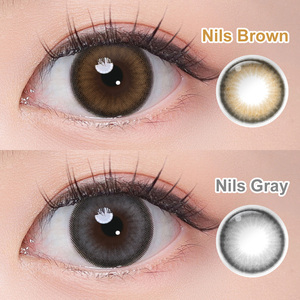
Customized 3-Tone Big Eye Color Contact Lenses Private Logo Package
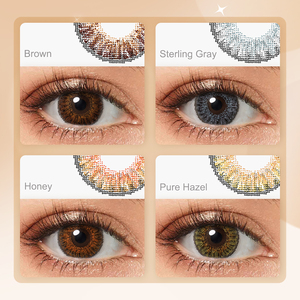
Freshgo Colored Contact Lenses Wholesale Custom Logo Packaging
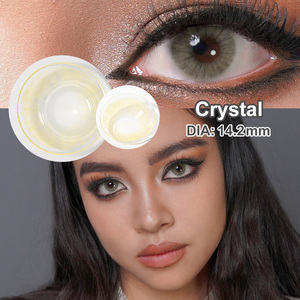
Natural Daisy Blue Soft Colored Contact Lenses Half Year CE Certified
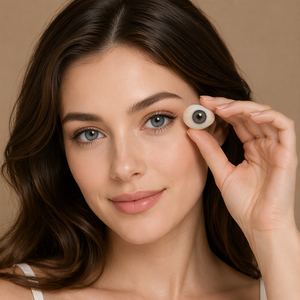
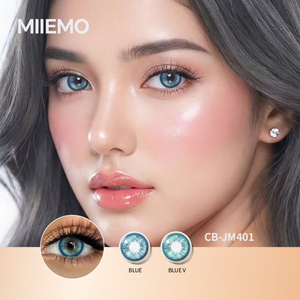
Gen 3 Miiemo BY371 Soft Colored Contact Lenses Deep Black Iris Optics
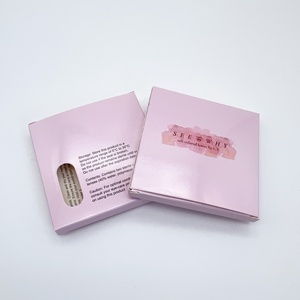
Custom Design Logo Paper Boxes with Window Cosmetic Lens Makeup Pack
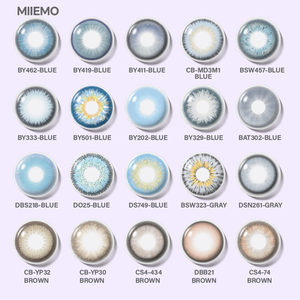
Soft Natural Eye Lenses 38% Water Content Half Year Cycle Wholesale
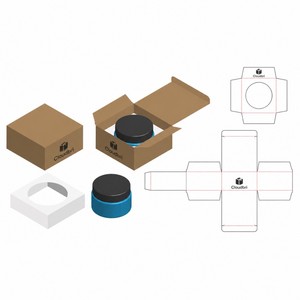
Love Window Design Colored Contact Lens Private Label Paper Box Packaging
42+
Years In Vision Care (Since 1984)
15,000+
Proprietary Lens Colorways
126
Countries & Jurisdictions Served
10,000+
B2B Optical Distributors Supplied
Manufacturing Architecture
Industrial Integrity: Eyebeauty Group Institutional Infrastructure
Unlike digital brokers, trading middle-men, or repackaging agencies, Eyebeauty operates as the global commercialization headquarters of a multi-generational manufacturing collective. Direct-to-factory integration guarantees end-to-end biological and optical accountability.
Medical Device Governance
All soft cosmetic lenses are produced under ISO 13485:2016 quality management frameworks, fully certified under the stringent European CE Medical Device Regulation (EU MDR 2017/745), and operate with active US FDA establishment registration (FEI: 3015587162).
Sandwich Color Pigment Sealing
Using advanced molecular entrapment and semi-latent cast molding technology, biocompatible micro-pigments are completely sequestered between two hydrogel matrix polymers, eliminating colorant seepage or abrasive corneal irritation during extended wear cycles.
Korea MFDS Turn-Key Technical Dossiers
Specialized regulatory dossiers pre-compiled for optical chain importers registered with South Korea’s Ministry of Food and Drug Safety. We supply physical-chemical test matrix reports, cytotoxicity validations, and biological extract evaluations directly to your regulatory attorneys.
Production Bases
Cleanroom Facilities & Production Footprint
From pristine high-altitude purified formulation facilities to intelligent high-speed automated lens stripping lines, our production facilities set international benchmarks.
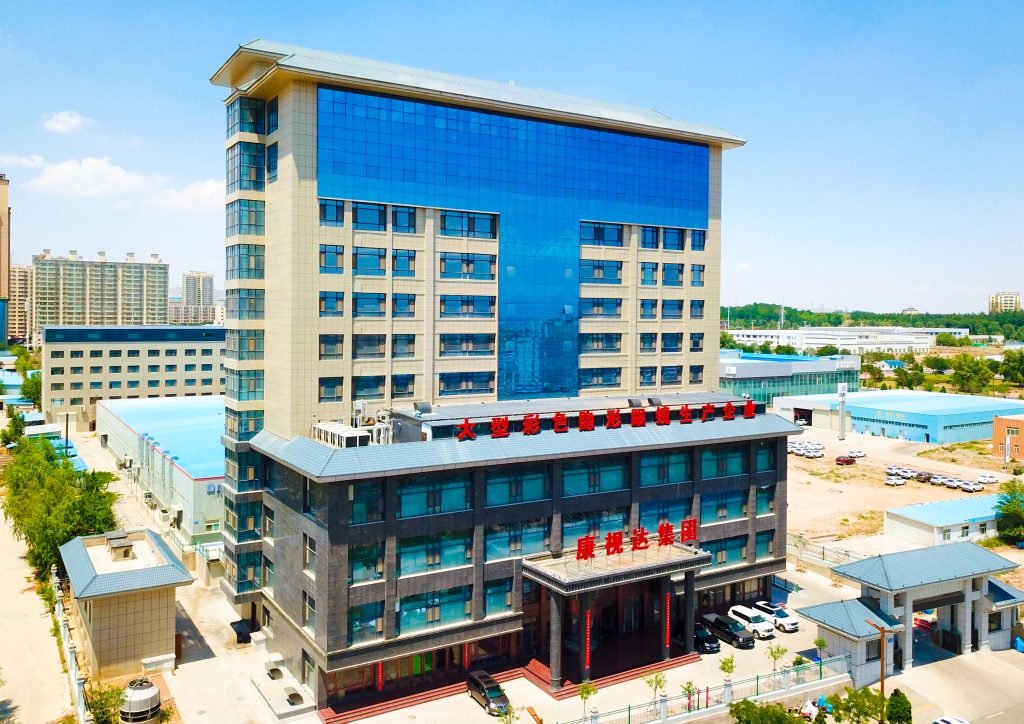
Gansu Constar Technology Group
Our foundational manufacturing base with over 40 years of precision tooling and optical turning expertise. Features Class 10,000 cleanroom zones, fully automated blister-sealing, and pharmaceutical-grade autoclave terminal sterilization systems.
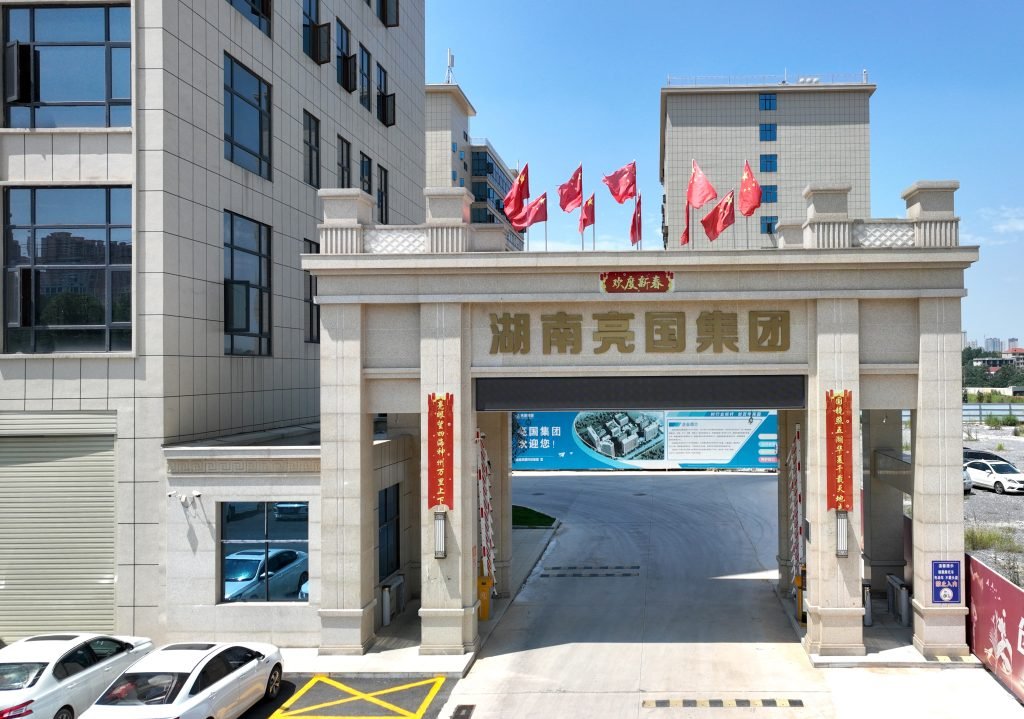
Hunan Haipuming Technology Base
Modern high-throughput cosmetic color contact lens center dedicated to multi-tone pad printing, high-resolution rotary cast injection, and smart visual defect inspection systems checking optical axis, edge feathering, and color distribution.
2026–2030 Whitepaper Forecast
Future Procurement Trends in Cosmetic Contact Lens Manufacturing
Strategic insights for brand managers, optical executives, and regulatory directors navigating changing market dynamics in North America, Europe, and Asia-Pacific.
Shortening Replacement Cycles (1-Day Dominance)
Global procurement data indicates daily disposable cosmetic contact lenses will exceed 65% of all color lens revenue by 2028. Driven by consumer awareness regarding microbial keratitis prevention, brands are prioritizing cost-effective 10-pack and 30-pack daily blister packaging over traditional 6-month and yearly glass vial models.
Silicone Hydrogel for Color Formulations
While traditional cosmetic lenses relied primarily on PolyHEMA matrices (Dk 8.5–12), new ODM formulations combine silicone macromers with internal wetting agents (PVP) to deliver Dk/t values over 80. This transition allows extended 14-hour daily wear without inducing limbal redness or corneal hypoxia.
Regulatory Harmonization & Direct Traceability
With the total sunsetting of MDD in favor of EU MDR and stricter inspections from South Korea’s MFDS and the Saudi SFDA, brand owners are moving away from non-certified repackagers. Sourcing from owners of Primary Technical Master Files (DMF) provides immediate legal stability.
| Material Specification | Conventional PolyHEMA Hydrogel | Next-Gen Silicone Hydrogel (Eyebeauty Gen-3) | Clinical Impact & Procurement Value |
|---|---|---|---|
| Oxygen Transmissibility (Dk/t) | 8.5 – 12 x 10⁻⁹ | 65 – 88 x 10⁻⁹ | Significantly reduces corneal swelling; satisfies Holden-Mertz criteria for daily wear safety. |
| Water Content Range | 38% – 42% | 45% – 55% | Balances mechanical durability with initial comfort, reducing on-eye dehydration rates. |
| Pigment Fixation Method | Surface Stamping / Single-pass Print | Molecular Cast Sandwich Enclosure | Zero direct pigment contact with palpebral conjunctiva or delicate corneal epithelium. |
| Replacement Modality | 6 Months / 1 Year (Vials) | Daily Disposable / Monthly Blisters | Minimizes protein deposition, lipid binding, and microbial adherence over repeated wearing cycles. |
Design Engineering
Optical Evolution: Dynamic Highlight Prints & Aspheric Edge Geometry
Contact lens manufacturing has evolved beyond flat dots to bio-mimetic iris mapping and digital multi-tone gradient layers.
Crescent Glow Highlights
Asymmetrical luminous highlights popular in K-beauty formulations that replicate natural sunlight reflections across the iris plane without needing mechanical prism ballasting.
Soft Limbal Transition
Gradient feathered ring profiles that avoid harsh outer delineation rings, providing subtle ocular enlarging effects adapted to East Asian, European, and Middle Eastern eye profiles.
Curved Profile Edge Design
Advanced mold micro-lathe geometry forms a multi-radius taper edge. This reduces lid interaction during blinking and promotes regular lacrimal tear circulation underneath the lens back-surface.
Precision Power Control
Integrated sphere powers ranging from -0.00 (plano cosmetic) down to -10.00 diopters, with tighter power deviation tolerances (±0.12D) than standard ANSI or ISO thresholds.
Commercial Footprint
Eyebeauty Portfolio Brands Distributed Internationally
Our manufacturing infrastructure underpins recognized cosmetic contact lens brands sold across authorized optical dispensaries, retail pharmacy chains, and cosmetic specialty outlets worldwide.

MILLCREEK
Soft Natural Everyday Cosmetic Lens Line
KSSEYE
Trend-Driven Multi-Tone Color Collections
DUOXIU
K-Beauty Aesthetic Glow & Highlight Optics
Haipurecon
Clinical Grade Hydrating Clear & Color Vision Care
Procurement Intelligence
B2B Sourcing, Technical & Compliance FAQ
Clear, definitive answers to complex production, regulatory, and logistics questions facing international optical buyers.
What documentation do you provide for South Korea MFDS import licensing? +
As soft contact lenses are regulated Class II/III medical devices under the Korean Ministry of Food and Drug Safety (MFDS), the Korean domestic importer holds the product license. Eyebeauty supplies the full manufacturer technical documentation package: valid ISO 13485 certification, CE (EU MDR) technical files, Certificate of Free Sale (CFS), detailed raw chemical formulation breakdowns, physical/chemical biocompatibility records (ISO 10993 series), process sterilization validation files, and batch-release certificates of analysis (CoA).
What are the minimum order quantities (MOQ) for custom private label packaging? +
For custom private-label packaging (custom secondary box printing, branded foil lidstocks, and multilingual user inserts), our standard MOQ starts at 500 to 1,000 units per design variant for stocked formulations. For bespoke lens tint designs, customized diameter/base curve configurations, or specialized blister foils, MOQs are determined on a per-batch basis depending on mold lathe requirements and minimum pigment blending runs.
How do you verify pigment safety and prevent color layer detachment? +
We use a proprietary Sandwich Cast Molding process. In this semi-latent polymer polymerization sequence, medical-grade inorganic color pigments (titanium dioxide, iron oxide matrices) are fully embedded between the anterior and posterior base materials. Before release, batch samples undergo automated rub-resistance tests, ultrasonic immersion assessments, and extractable/leachable testing to confirm zero pigment exposure on both the corneal and conjunctival surfaces.
What are typical production lead times for OEM orders and reorders? +
Standard OEM production for customized branded runs typically requires 30 to 45 business days, including mold preparation, multi-color pad printing, curing, hydration equilibrium inspection, automated blister sealing, autoclave terminal sterilization, and 14-day bioburden incubation testing. For existing white-label formulas with pre-printed cartons, dispatch can be completed within 7 to 14 days.
Can you support multi-region labeling, such as Korean, English, and Arabic? +
Yes. Our packaging engineers format primary blister lidstocks and secondary folding boxes to meet regional medical device labeling mandates. This includes GS1-standard 2D data matrix barcodes, UDI (Unique Device Identification) strings, lot traceability markings, sterile barrier symbols (ISO 15223-1), and local language notices required by the US FDA, EU MDR, Korea MFDS, or Gulf health authorities.
Partner with a Verified Global Contact Lens Manufacturer
Whether launching a new cosmetic line for Asian optical stores or scaling a medical-grade private label across European markets, our direct factory team is ready to assist.