Verified Supply Catalog
Featured Contact Lens Formulations & Custom Packaging Lines
Direct-from-factory ocular medical products engineered for global eye-beauty brands, optometric clinics, and retail distributors targeting the Korean ophthalmic standard.
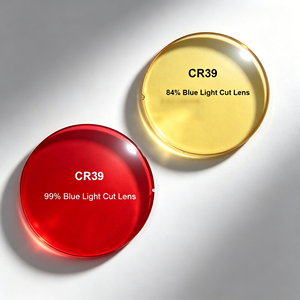
CR39 High-Definition Anti-Blue Light Sleep Shield Optical Substrate
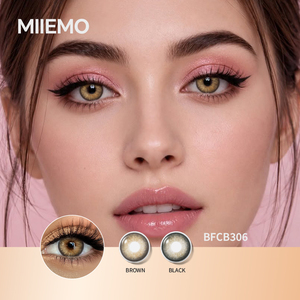
DSC Soft Poly-HEMA Tinted Corrective Prescription Cosmetic Lenses (ISO Certified)
Industrial Class FX-MR1 Precision Calibration & Fiber Optic Sensor Optics
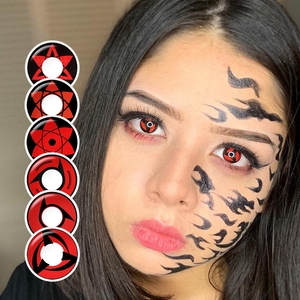
High-Pigment Theatrical & Character Opaque Contact Lenses (Full Pupil/Sclera)
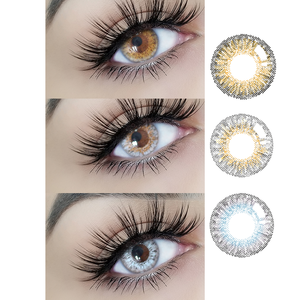
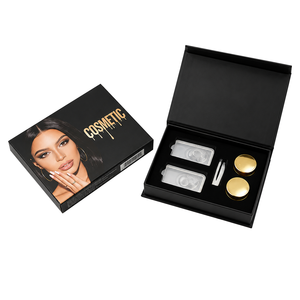
Luxury Foil Stamped 3-Tone Cosmetic Contact Lens Secondary Carton Series
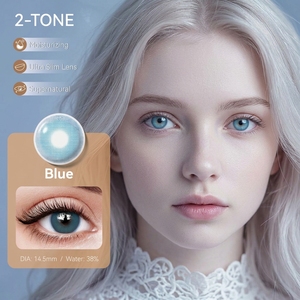
Natural Blue 14.5mm Bio-Comfort Soft Daily/Monthly Color Lenses (38% H2O)
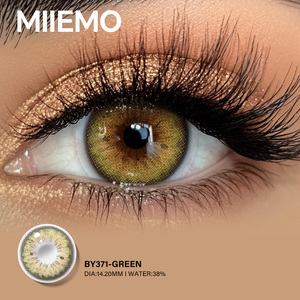
Miiemo Ash Hazel-Brown Subtle Limbal Gradient Myopia Corrective Lenses
15,000+
Proprietary Color Matrixes & Dies
42+
Years Optical Foundry Legacy (1984)
126
Destination Export Markets Served
10,000+
B2B Optical Distributors Supplied
Manufacturing Architecture
The Mechanics of High-Volume Korean-Spec Contact Lens Fabrication
The global contact lens landscape has shifted toward demanding biomedical aesthetics. Sourcing contact lenses for the Republic of Korea, or deploying a high-end cosmetic brand benchmarked against Korean optical trends (컬러렌즈), requires understanding biocompatible polymer chemistry, micro-encapsulation printing, and the regulatory frameworks of the Ministry of Food and Drug Safety (MFDS). Modern ocular cosmetics require high aesthetic fidelity, tear-film biomechanics, and oxygen-permeable safety profiles.
Contract manufacturing of Class II and Class III optical medical devices requires strict defect tolerance. Whether formulating standard Poly-HEMA (2-hydroxyethyl methacrylate), GMA-HEMA hydrogel complexes, or modern fluoro-silicone hydrogels, the lens substrate must preserve its equilibrium water content (EWC) and refractive indices across its lifecycle. The Korean market demands smaller graphical diameters (11.9mm to 13.3mm G.DIA within 14.0mm to 14.2mm total diameters), natural ash-undertones, and feathered limbal transitions. Meeting these tolerances requires integrated cast-molding and lathe-cut manufacturing ecosystems.
Full Interlayer Micro-Sandwich Process
Color pigments are encapsulated between hydrogel layers, preventing direct corneal and conjunctival tissue contact. This prevents dye leaching, cytotoxicity, and mechanical friction.
Sub-Nanometer Optical Tooling
Single-point diamond turning (SPDT) inserts ensure optical core precision with toric, spherical, and customized aspheric curvatures, eliminating high-order ocular aberrations.
Traceable Sterility Assurance
Class 10,000 cleanroom environments support terminal steam sterilization autoclaves. Every batch includes ISO 11137 bioburden reports and 100% blister integrity validation.
Production Footprint
State-of-the-Art Dual Production Bases
Eyebeauty Technology Co., Ltd. operates as the global marketing and technical headquarters for an optical foundry network founded in 1984.
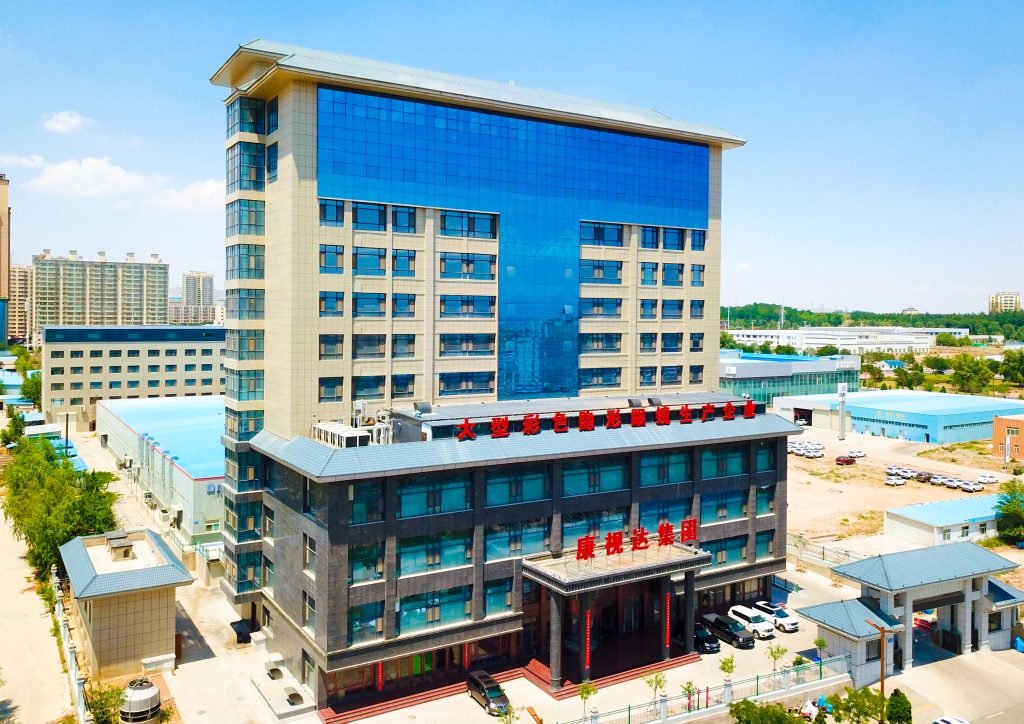
Gansu Constar Technology Group
Our founding facility established in 1984. Constar focuses on precision optical polymer engineering, high-volume Cast-Molding automation, and corrective medical contact lens lines serving domestic and international healthcare chains.
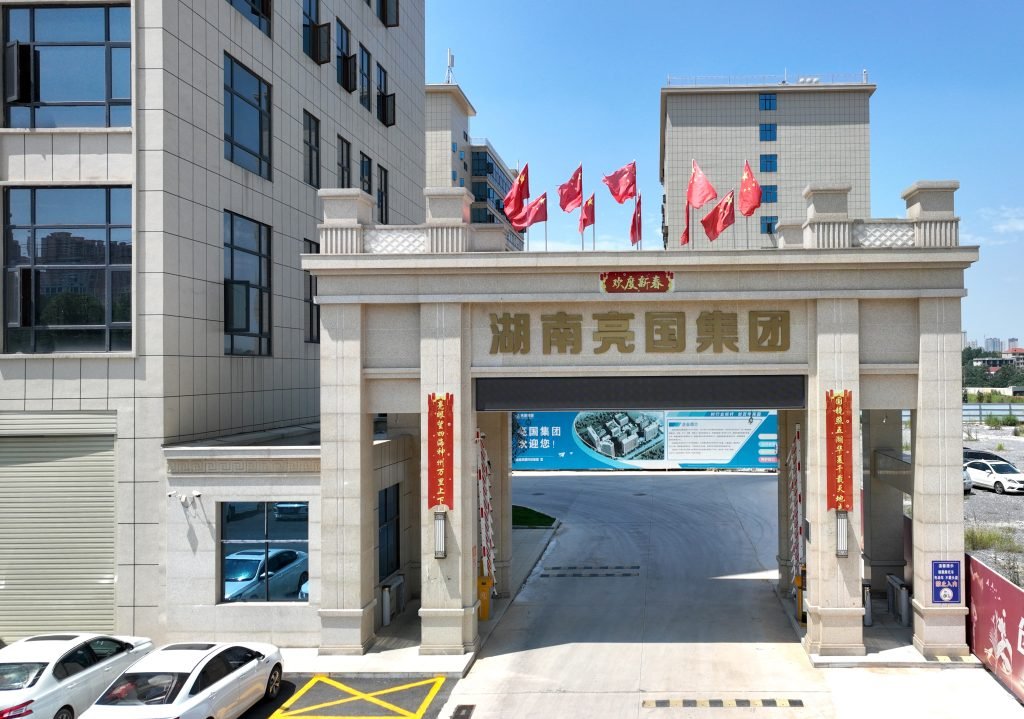
Hunan Haipuming Technology (Liangguo Group)
Our high-tech color contact lens center. Haipuming manages multi-tone micro-dot printing, robotic blister packaging, and export-compliant medical labeling, providing fast turnarounds for K-beauty brands.
Strategic Procurement Analysis
Emerging Trends in Global Contact Lens OEM Sourcing
Forward-looking analysis for procurement directors, medical device distributors, and private-label founders navigating the 2026–2030 optical landscape.
01
Migration to Silicone Hydrogel (SiHy)
Global demand is shifting toward high-Dk/t silicone hydrogels for cosmetic and tinted lenses. Procurement pipelines must balance high oxygen transmissibility (Dk/t > 80) with low modulus softness to prevent giant papillary conjunctivitis (GPC) while maintaining color vibrantness.
02
Daily Disposable (1-Day) Dominance
Hygiene-conscious consumers in Korea and worldwide are moving away from annual vials toward 1-Day blister units. Brands must optimize secondary packaging dimensions, blister foil seal speeds, and sustainable PP packaging materials to reduce freight costs per unit.
03
Photoprotective Functional Tints
Cosmetic lenses now integrate Class 1 UV filters and HEV 420nm blue-light filtration directly into the monomer matrix. This converts contact lenses from cosmetic accessories into preventative personal healthcare products.
04
Photorealistic Iris Mimicry
Standard dot-matrix layouts have been replaced by multi-depth 3D and 4-tone gradient layering. Optical consumers favor subtle, natural enlargement with feathered limbal rings over artificial, flat graphic patterns.
05
Supply Chain Reshoring & Near-Logistics
Optical chains require localized inventory buffers. Sourcing from our manufacturing bases offers automated air/sea links into Incheon and Busan, cutting fulfillment cycles from months to days for fast inventory replenishment.
06
Strict Traceability Compliance
Regulators require Unique Device Identification (UDI) down to each individual blister pack. Global brands require contract manufacturers with integrated ERP serialization and real-time ISO audit histories.
Engineering Matrix
Formulation & Dimensional Specifications
Compare core production platforms available for private label OEM/ODM custom contracts.
| Material Classification | Water Content (%) | Oxygen (Dk/t) | Base Curve / DIA (mm) | Target Wear Cycle | Printing Technology |
|---|---|---|---|---|---|
| Standard Hydrogel (Poly-HEMA) | 38% – 42% | 18 – 24 | 8.5 – 8.7 / 14.0 – 14.5 | Daily / Monthly / 6-Month | Semi-Cast Sandwich Layering |
| Hydra-Polymer (GMA / Bio-HEMA) | 43% – 55% | 28 – 35 | 8.6 – 8.8 / 14.0 – 14.2 | Daily / Monthly | Full Micro-Encapsulation |
| Silicone Hydrogel (Si-Hy Gen 3) | 45% – 50% | 90 – 110 | 8.6 – 8.8 / 14.2 – 14.4 | Daily Disposable / Monthly | Laser Micro-Injected Color Matrix |
| UV-Blocking Corrective Hydrogel | 40% – 45% | 22 – 26 | 8.5 – 8.6 / 14.0 | 1-Day Wear Single Use | Class 2 UV + Double Pad Printing |
Procurement Knowledge Base
Frequently Asked Sourcing & Regulatory Inquiries
Answers to common operational, compliance, and design questions regarding contact lens import into Korea and overseas markets.
What regulatory documentation is required for MFDS Class II/III contact lens import into South Korea?
To register and import contact lenses into South Korea under MFDS oversight, the licensed Korean importer holds the product registration. Eyebeauty provides complete factory technical dossiers, including our ISO 13485:2016 system certificate, CE (MDR) technical files, ISO 10993 cytotoxicity and ocular biocompatibility test data, steam sterilization validation under ISO 17665, stability aging test reports, and raw material safety documentation. Our regulatory team works directly with your Korean regulatory consultants for fast dossier clearances.
How does the Korean distribution model affect packaging design and SKU configuration?
Under Korean medical device and optic law, corrective and cosmetic lenses are supplied to end users through licensed optical storefronts (안경원) or designated click-and-collect medical pathways rather than direct-to-door e-commerce. As a result, outer boxes, hang-tags, and blister secondary packaging must have clear power windows, barcode traceability (UDI system), and Korean Hangul labeling (including importer license numbers, batch codes, expiration dates, and usage warnings). We handle Korean typography plate design, foil stamping, and secondary packaging assembly in-house.
What is your Minimum Order Quantity (MOQ) for custom OEM shade development vs. catalog lines?
For existing, certified designs in our library of over 15,000 active formulations (such as our MILLCREEK, KSSEYE, Haipurecon, and DUOXIU catalogs), stock orders start as low as 50–100 pairs per SKU for rapid trial tests, with custom blister-packing available at 500–1,000 pairs. For completely bespoke ODM graphic development (custom iris diameter, pantone mixing, and pad-printing plate engraving), our typical pilot production threshold begins at 3,000–5,000 pairs per colorway across a balanced diopter matrix (Plano 0.00 up to -8.00D).
What ensures color safety and prevents corneal abrasion during lens wear?
Our factories use the Sandwich Polymer Matrix Encapsulation technique. Rather than printing inks on the lens surface where they could contact eye tissue, our automated pad-printing robots apply FDA/CE-approved inorganic pigments onto a base hydrogel layer inside the mold. A second polymer layer is then injected over the colorant before curing, enclosing all pigments within the hydrogel core. This creates a lens surface as smooth as a standard clear corrective lens.
Can you support asymmetric powers and custom cylinder toric designs for astigmatism?
Yes. Through our Constar precision manufacturing base, we produce aspheric, toric, and customized prismatic ballast lenses. Using dynamic lathe-cutting tools and specialized stabilization mold designs, we create tinted lenses that maintain rotational stability on the cornea for reliable astigmatic correction without compromising the graphic print design.