Hot OEM
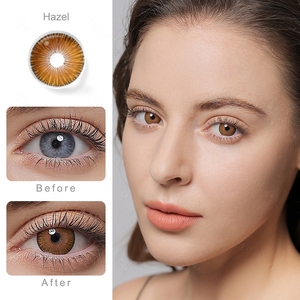
Factory-direct medical-grade cosmetic and optical corrective contact lenses manufactured under CE (MDR) and ISO 13485 cleanroom protocols, ready for global private label customization.
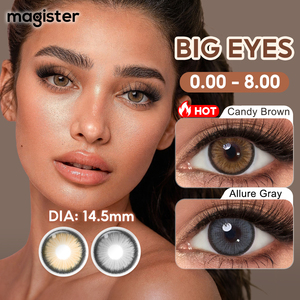
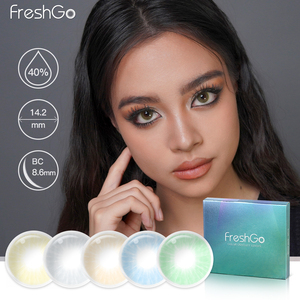
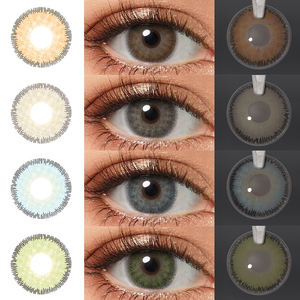
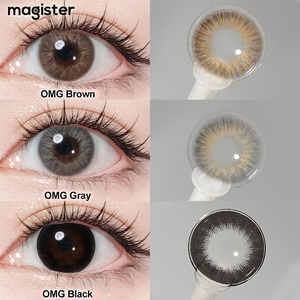
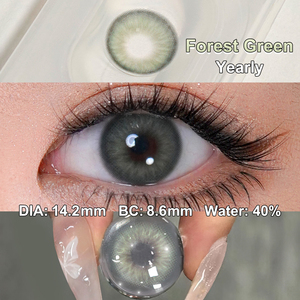
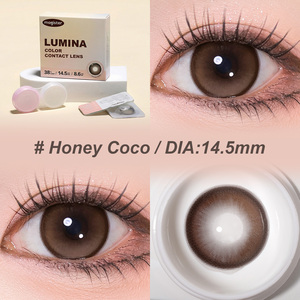
We are not commercial trading intermediaries. Eyebeauty Technology serves as the dedicated international operational headquarters for our family-owned manufacturing conglomerate, established in 1984.
Spanning the historic Gansu Constar Technology Group (founded 1984) and Hunan Haipuming Technology (Liangguo Group), our integrated factories deliver high-throughput precision cast molding with complete batch traceability.
Our facilities maintain active CE (MDR) certifications, comprehensive ISO 13485:2016 medical device quality management systems, and FDA facility registration (FEI 3015587162) with exhaustive biocompatibility documentation.
All cosmetic matrices utilize micro-encapsulation sandwich technology. Non-ionic bio-compatible dyes are physically locked inside medical polymer substrates, ensuring zero direct corneal or conjunctival dye contact.
From custom curve engineering (8.5mm to 8.7mm BC) and Pantone pigment formulations to barrier foil heat-sealing, bilingual packaging boxes, and barcode registration support, we turn brand visions into compliant optical stock.
An in-depth analysis of shifting global demographics, silicone hydrogel transition hurdles, regulatory scrutiny, and supply chain strategies for contact lens brand directors.
The global contact lens manufacturing arena is undergoing a profound structural transition. What was historically divided between high-volume optical correction and seasonal fashion accessories has merged into an integrated Cosmetic-Ophthalmic Category. Institutional buyers, pharmacy chains, and direct-to-consumer (D2C) eyewear brands are no longer solely evaluating cost per unit; they are optimizing for corneal physiological health, cleanroom automation standards, and regulatory file portability.
Market consumption analytics indicate an accelerated pivot from conventional yearly cast lenses toward daily disposable (1-Day) and bi-weekly/monthly formats. Brands expanding into mature consumer markets must ensure their OEM supply partners possess verified cast-molding lines capable of handling silicone hydrogel (SiHy) matrices alongside standard poly-HEMA polymers without chromatic distortion or surface lipid aggregation.
Procurement directors face escalating regulatory enforcement across North America, Europe (under EU MDR 2017/745), and the Asia-Pacific territory (notably MFDS in South Korea and NMPA in China). Going forward, successful optical sourcing models will be defined by three distinct criteria:
A. Regulatory Portability & Technical Master Files: A reliable OEM/ODM exporter must provide pre-assembled technical dossiers including cytotoxicity reports (ISO 10993-5), ocular irritation testing (ISO 10993-10), accelerated aging studies verifying shelf-life stability up to 5 years, and steam sterilization validation (ISO 17665). Importers can no longer afford supply disruptions caused by unverified subcontracted workshops lacking cleanroom ownership.
B. Hyper-Personalization with Agile Batch Scaling: Emerging eyewear brands demand responsive minimum order quantities (MOQs) to test seasonal palettes—such as ethereal ash greys, gradient amber hazels, and high-luminance limbal enhancements—before committing to large runs. Factories that decouple core molding runs from downstream printing and packaging stations provide an indispensable competitive advantage.
C. Closed-Loop Cold Chain and Packaging Integrity: Modern procurement requires automated visual inspection for rim defects, pinholes, and pigment bleeding. State-of-the-art packaging lines utilize pharmaceutical-grade aluminum foil seals with automated pressure-leak detection, preventing saline evaporation during intercontinental maritime shipping.
The technological frontier of color contact lens engineering centers on the interface between moisture retention, oxygen transmissibility (Dk/t), and optical clarity. Eyebeauty's manufacturing group addresses these evolutionary vectors through dedicated R&D investments:
Sandwich Micro-Pigment Encapsulation: Older fabrication techniques applied color directly to the surface of the polymer matrix via pad printing, posing abrasive risks to the corneal epithelium. Next-generation production encapsulates pharmaceutical pigment granules inside a protective layer of polymer, yielding a completely glass-smooth outer surface that minimizes protein deposition and bacterial adherence.
Hyaluronic Acid (HA) & MPC Wetting Agents: To address digital screen-induced ocular dryness, current polymer chemistries incorporate interpenetrating networks of hydrophilic wetting agents such as MPC (2-methacryloyloxyethyl phosphorylcholine) and sodium hyaluronate. These compounds lock ambient tear film across the lens surface, sustaining end-of-day comfort over extended 12-to-16 hour wear cycles.
Aspheric Optical Curvature Optimization: Modern lenses feature precision-molded aspheric anterior and posterior geometry. By counteracting natural spherical aberrations within the optical system, these designs offer wearers enhanced contrast sensitivity in low-light environments while simultaneously optimizing lens centralization over the cornea.
With the full transition of the European Union to Medical Device Regulation (MDR), OEM manufacturers must deliver traceable supply chains, post-market surveillance (PMS) data, and continuous biocompatibility validation.
The global consumer preference has moved decisively from stark, high-contrast costume tones to micro-dot gradient patterns that subtly blend with natural iris textures for effortless daily wear.
Retail optical chains and e-commerce platforms leverage customized packaging boxes, custom blister seals, and localized language compliance to create proprietary direct-to-consumer moats.
Everything corporate buyers, optical chains, and brand incubators need to know regarding minimum orders, testing, regulatory dossiers, and lead times.
Partner directly with a proven medical device manufacturing group. Request a formal quotation, order custom evaluation samples, or schedule a technical review with our regulatory team.
Get a Quote