Curated Product Lines
Certified Contact Lens Lines & OEM Packaging Solutions
Direct-from-cleanroom manufacturing engineered for Korean optical chains and global cosmetic contact lens brands. Explore verified OEM/ODM base specifications below.
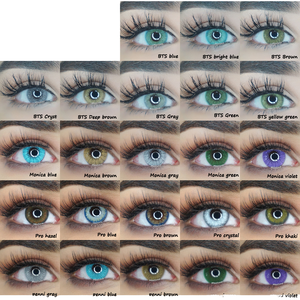
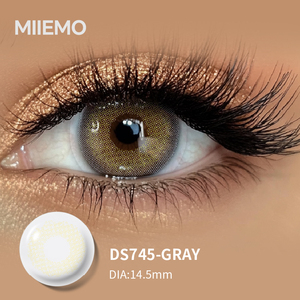
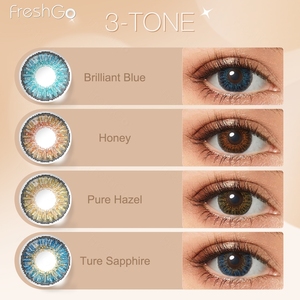
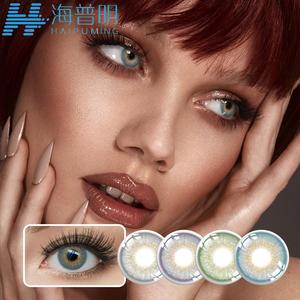
42+
Years Heritage (Since 1984)
15,000+
Proprietary Color Formulations
126+
Countries & Regions Exported
10,000+
Global Optical Partners
Manufacturing Advantages
Why Top Korean Brands & Optical Chains Source With Us
Combining multi-decade polymer engineering with agile K-Beauty trend adaptation. We solve supply chain volatility, compliance bottlenecks, and private label execution.
Medical-Grade Quality Systems
Manufacturing under strict ISO 13485 standards and CE (MDR) certifications, coupled with US FDA facility registration (FEI 3015587162) for non-negotiable optical safety.
MFDS Technical dossiers
We deliver turnkey manufacturer technical documentation, including biocompatibility reports, cleanroom sterilization logs, and formula assays tailored for Korea's MFDS importer clearance.
K-Beauty Trend Engineering
Over 100 new iris patterns released yearly—specializing in 14.0mm–14.2mm natural graphics, delicate 3-tone color gradients, translucent limbal rings, and luminous watercolor aesthetics.
Agile OEM & Buffer Inventories
Featuring a library of 1,500+ ready-to-ship SKUs for micro-batch market validation, with seamless scaling capacity to multi-million blister production runs within 7–15 business days.
White Paper: Strategic Procurement & Technological Trends in Korean Colored Contact Lenses
The global color contact lens industry has entered an unprecedented inflection point. Modern cosmetic contact lenses (컬러렌즈) have transcended purely aesthetic enhancements to merge optical corrective science, high-oxygen polymer matrixes, and precision biocompatible printing technologies. In Korea, where vision care products are stringently monitored by the Ministry of Food and Drug Safety (MFDS), entering and dominating the optical store (안경원) retail ecosystem requires navigating complex clinical compliance benchmarks while maintaining exceptional design turnaround speed.
"Successful color contact lens brand ownership today relies on three interdependent pillars: bio-inert sandwich pigment encapsulation, automated cast-molding repeatability, and flawless regulatory traceability from monomer synthesis to optical shelf."
1. Advanced Polymer Substrates: The HEMA vs. Silicone Hydrogel Landscape
For decades, traditional Poly-HEMA (2-hydroxyethyl methacrylate) materials with 38% to 42% water content have served as the foundation of cosmetic contact lenses due to their dimensional stability, cost efficiency, and proven dye fixation reliability. However, enterprise procurement data indicates a pronounced migration toward Silicone Hydrogel (SiHy) formulations.
Modern consumers demand long-wear daily and monthly cycles without corneal hypoxia, redness, or end-of-day dryness. By incorporating siloxane macromers, silicone hydrogel contact lenses achieve Oxygen Transmissibility (Dk/t) ratings upwards of 80 to 120+, drastically outperforming conventional hydrogels (which typically peak at 15 to 25 Dk/t). Our manufacturing facilities have pioneered non-leaching surface hydrophilic treatments that conquer the inherent hydrophobic nature of silicone, preventing lipid deposition and providing natural tear-film wettability without compromising mechanical softness.
2. The Micro-Pigment Sandwich Encapsulation Architecture
A primary concern for eye care professionals and international health authorities is pigment migration. Substandard cosmetic lenses that deposit pigment directly onto the lens surface present immense clinical risks, including micro-abrasions, allergic papillary conjunctivitis, and chemical leaching. Our factories utilize automated Dual-Layer Full Sandwich Encapsulation Technology.
In this process, organic colorants and inorganic metallic oxides (such as iron oxides and titanium dioxide) are printed onto an ultra-thin hydrogel foundation and completely sealed between two molecular layers of optical monomer. The pigment never makes contact with the cornea, palpebral conjunctiva, or tear film. Furthermore, the smooth exterior lens profile preserves natural tear flow across the anterior ocular surface, satisfying even the most rigorous ISO 10993 cytotoxicity and ocular irritation safety profiles.
3. Regulatory Dynamics: Mastering MFDS Compliance for the Korean Market
Unlike Western markets where direct-to-consumer e-commerce often operates under varying degrees of oversight, South Korea prohibits general online contact lens sales. Finished contact lenses must be distributed through licensed optometry practices and optical franchised chains. Consequently, the Korean importer of record must submit an exhaustive regulatory dossier to the MFDS to secure Medical Device Item Approval.
As your OEM/ODM manufacturing engine, Eyebeauty eliminates registration bottlenecks by providing turnkey, standardized technical documentation:
- Full Biocompatibility Certification (ISO 10993 series): Cytotoxicity, systemic toxicity, ocular irritation, and sensitization validation files.
- Aging and Accelerated Shelf-Life Studies: Substantiating real-time stability, sterile integrity, and dye endurance for 3 to 5-year expirations.
- Sterilization Validation (ISO 11137 / ISO 17665): Complete autoclaving sterilization records guaranteeing Sterility Assurance Levels (SAL) of 10-6.
- Material Characterization & Monomer Purity: Comprehensive GC-MS and HPLC extraction records proving zero hazardous monomer residues.
Market Intelligence
Future Procurement & Product Development Trends (2025–2030)
Anticipate market shifts, margin structures, and consumer behavioral transformations to future-proof your optical private label portfolio.
Hyper-Natural "Watercolor" Aesthetic
The era of artificial, harsh limbal borders and oversized doll-eye diameters has declined. Procurement trends demonstrate overwhelming demand for 13.0mm–13.4mm Graphic Diameters (G.DIA) featuring dot-matrix micro-diffusion, translucent misty olive tones, cold ash greys, and iris-mirroring golden flecks that enhance native eye coloration seamlessly.
Acceleration Toward Daily Disposables
While monthly and yearly replacements maintain steady value-driven volume, the 1-Day Disposable segment is recording double-digit compound growth across metropolitan Korea, Japan, and Southeast Asia. Consumers prioritize daily hygiene and convenience, elevating brand replenishment frequencies and lifetime customer value for B2B operators.
Multifunctional & Eye-Health Inclusions
Forward-thinking brands are no longer commissioning colored lenses based purely on cosmetic tint. Leading supply agreements now mandate integrated Class II UV Blocking (absorbing >95% of UV-B and >70% of UV-A rays), high-energy visible (HEV) blue light filters, and bio-inspired hyaluronic acid / MPC hydration coatings inside the blister saline buffer solution.
Manufacturing Bases
Owned Cleanroom Production Infrastructure
Unlike sourcing agents or commercial brokers, Eyebeauty operates as the dedicated international arm of two enterprise manufacturing complexes spanning four decades of continuous innovation.
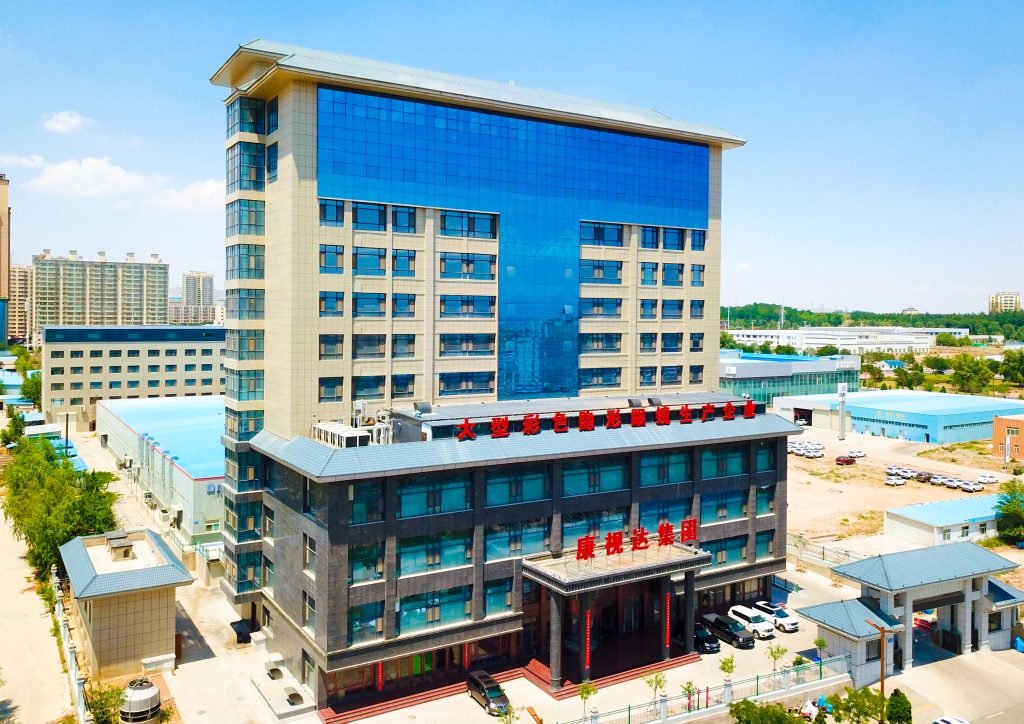
Founded 1984 · Pioneer Base
Gansu Constar Technology Group
The bedrock of our family enterprise, Constar possesses over 42 years of continuous vision care synthesis, precision lathe-cutting, and computerized cast-molding operations. Holds historic and modernized CE (MDR) certifications and ISO 13485 medical device systems.
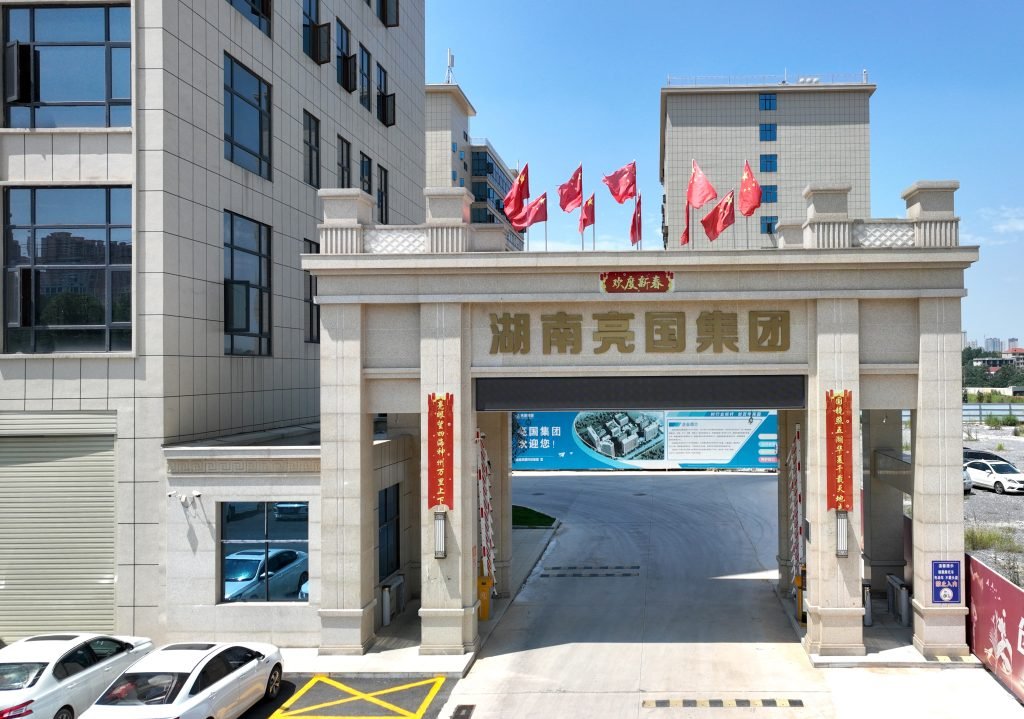
Liangguo Group · Color Lens Hub
Hunan Haipuming Technology
A hyper-automated Class 100,000 cleanroom manufacturing facility dedicated entirely to high-volume cosmetic color printing, micro-encapsulation, and automated blister packaging. Registered with the US FDA (FEI 3015587162) and fully aligned with Korean MFDS testing protocols.
Retail Tested
Our Globally Distributed Group Brands
Proven formulas, compliant labeling, and validated consumer acceptance across domestic and international markets.
 MILLCREEK
 KSSEYE
 DUOXIU
 Haipurecon
Procurement Clarity
Frequently Asked Questions for B2B Contact Lens Buyers
In-depth answers addressing compliance, production minimums, custom packaging, and supply-chain logistics for commercial directors.
How does Eyebeauty support our Korean company's MFDS Medical Device Item Approval? +
Under South Korean regulations governed by the Ministry of Food and Drug Safety (MFDS), contact lenses are classified as Class II or Class III medical devices depending on wear duration and corrective intent. The domestic Korean importer must serve as the legal license holder. We act as your primary manufacturing technical partner: our regulatory affairs team supplies a complete, audited documentation package including ISO 13485 quality certificates, CE MDR technical files, biocompatibility dossiers (ISO 10993 cytotoxicity, irritation, and ocular safety), cleanroom validation files, raw monomer assay reports, and batch-specific sterilization release sheets formatted directly for your regulatory counsel’s submission.
What are the typical Minimum Order Quantities (MOQs) for custom OEM / private label production? +
We understand that agile brand incubation requires managing upfront inventory liability. For ready-to-ship, catalog-formulated SKUs packaged under our group brands, minimum orders start as low as 50 to 100 pairs for market testing. For bespoke Private Label runs featuring custom-branded blister foils, unique outer packaging (such as 10-pack or 30-pack daily boxes), and importer Korean text localization, our typical MOQ is 1,000 to 3,000 pairs per SKU/color across standard power ranges (plano up to -8.00D). Tailored pilot runs are available for established optical chains launching new design concepts.
Can you manufacture custom pantone colors and proprietary iris graphic designs exclusively? +
Yes. Our in-house R&D graphics laboratory can either refine your internal design files or develop unique iris patterns from conceptual moodboards. We calibrate exact Pantone color values, verify pigment layering using microscopic spectrometry, and produce mold plates exclusively assigned to your enterprise. With non-disclosure agreements (NDAs) executed prior to development, your proprietary graphic patterns remain strictly guarded against cross-brand duplication.
How do you guarantee color consistency and zero dye leakage between production batches? +
Every production run relies on proprietary computer-controlled automated cast-molding machines. Color mixing and pigment viscosities are monitored using robotic spectrophotometers to eliminate human blending variations. To ensure zero dye leakage, 100% of our cosmetic lenses are produced via sandwich pigment encapsulation: the microscopic color layer is permanently enclosed inside the hydrogel polymer. Each batch is subjected to rigorous solvent extraction tests (soaking in organic solvents under high thermal stress) followed by UV-Vis spectral analysis to verify that no pigment or residual monomer migrates into the solution.
What logistics frameworks and delivery lead times apply for shipments into Incheon and Busan? +
Our production bases in Gansu and Hunan maintain streamlined multimodal logistics channels connected directly to major shipping corridors. Standard transit by air freight to Incheon International Airport (ICN) takes just 2 to 4 business days upon customs dispatch, while consolidated sea shipments to Busan Port take approximately 5 to 8 days. For finished OEM runs, mass manufacturing generally spans 20 to 30 calendar days from mold authorization, with emergency batch replenishment programs available for recurring commercial partners.
Direct Factory Architecture
Accelerate Your Optical Brand With Factory-Direct Control
Eliminate intermediary trading margins, gain full regulatory documentation backing, and introduce industry-leading Korean-style colored contact lens collections to your domestic optical market.