Engineered Cosmetic Contact Lens Systems & Packaging Solutions
Streamline your supply chain with ready-to-scale custom cosmetic soft contact lens formulations, sandwich pigment cast molding, and retail-grade sterile blister packaging tailored for international distributors.
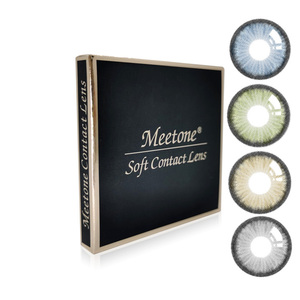
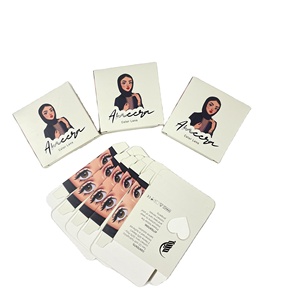
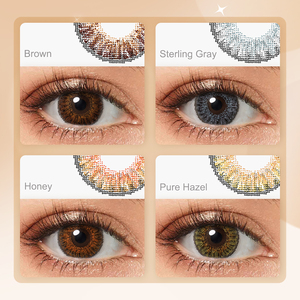
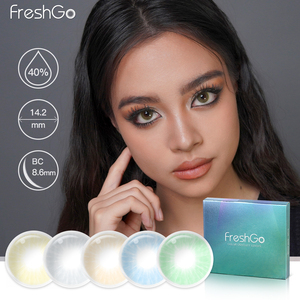
Engineering Excellence in Chinese Contact Lens Contract Manufacturing
Navigating the complexities of ophthalmic medical device fabrication requires complete transparency in polymer chemistry, cleanroom molding precision, and automated visual inspection protocols.
Dual Production Infrastructure
Our manufacturing matrix consolidates over four decades of polymer synthesis across two primary entities: Gansu Constar Technology Group (established in 1984) and Hunan Haipuming Technology (Liangguo Group).
Operating automated cast molding lines under ISO 13485:2016 quality systems ensures uniform spherical geometry, accurate edge tapering, and zero batch-to-batch variation across high-volume production runs.
Sandwich Color-Embedding Safety
Unlike obsolete surface printing, our automated optical laboratories employ Tri-Layer Full Encapsulation Technology. Pigments are sealed entirely within the hydrogel matrix (Poly-HEMA or Silicone Hydrogel).
- Zero corneal pigment contact or chemical leaching
- Smooth hydrophilic surface preserving tear breakup time (TBUT)
- Biocompatibility validated under ISO 10993 cytotoxicity assays
Full Dossier Regulatory Support
Contact lenses are regulated globally as Class II / Class III medical devices. We support brand owners and importers with audit-ready documentation packets for accelerated customs entry.
Documentation includes CE (MDR 2017/745) technical files, Korean MFDS dossier filings, FDA facility registration (FEI 3015587162), and continuous microbiological validation reports.
Material Formulations & Manufacturing Parameters
Choosing the right monomer composite directly defines wearer comfort, oxygen permeability (Dk/t), wettability, and optical clarity. Review our standard OEM production configurations below.
| Polymer Composite | Water Content (%) | Base Curve (BC) | Total Diameter (DIA) | Oxygen Permeability (Dk/t) | Recommended Replacement Cycle | Regulatory Status |
|---|---|---|---|---|---|---|
| HEMA-NVP Hydrogel | 38% – 42% | 8.5mm – 8.7mm | 14.0mm – 14.5mm | 16 – 22 × 10-9 | Monthly, 6-Month, Yearly | CE MDR / FDA / ISO |
| High-Water HEMA Ionic | 55% – 58% | 8.4mm – 8.6mm | 14.0mm – 14.2mm | 25 – 28 × 10-9 | Daily Disposable (1-Day) | CE MDR / ISO 13485 |
| 3rd-Gen Silicone Hydrogel (SiHy) | 45% – 48% | 8.6mm – 8.8mm | 14.0mm – 14.3mm | 100 – 130 × 10-9 | Daily / Monthly High-Wear | MFDS / CE / FDA Ready |
| Specialty Cosmetic Toric (HEMA) | 40% ± 2% | 8.6mm | 14.2mm – 14.5mm | 18 × 10-9 | Monthly / Quarterly | OEM Custom Mold |
Cast Molding Precision vs. Lathe Cutting
For high-scale cosmetic brands, computerized cast molding is the global standard. We utilize high-grade optical steel master tooling and disposable precision resin molds. This guarantees that every single lens mirrors identical parabolic curve parameters, eliminating edge jaggedness and micro-burrs that induce foreign body sensations.
Automated Optical Inspection (AOI)
Every blister pack passes through high-resolution telecentric digital imaging stations. Lenses are scanned in wet hydrated states to identify micro-bubbles, edge tears, diameter deviations, and pigment dispersion irregularities before terminal moist-heat sterilization at 121°C for 30 minutes.
Future Sourcing & Technological Trends in Color Lenses
Procurement officers and cosmetic brand founders must anticipate market shifts in consumer habits, sustainability mandates, and ocular health standards to maintain retail leadership.
The Acceleration of Daily Disposables
Global consumer demand is rapidly rotating from yearly lenses to single-day disposables. Daily wear eliminates compliance hazards related to multipurpose solution contamination, offering maximum hygiene. Sourcing teams are shifting bulk volumes to high-speed daily blister packaging lines.
Silicone Hydrogel Color Adoption
Historically, pigment encapsulation in silicone hydrogels presented optical matrix haze. Recent material breakthroughs allow high oxygen transmissibility (Dk/t > 100) combined with vibrant iris pigments, unlocking long-wear capability without corneal hypoxia.
Hyper-Natural K-Beauty Micro-Dots
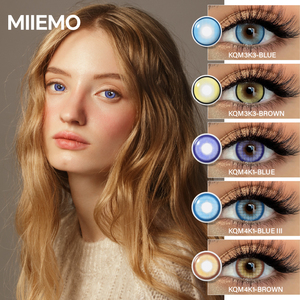
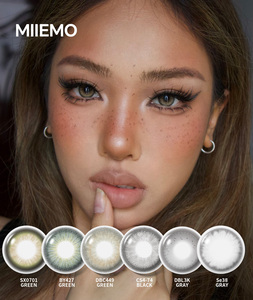
Harsh, thick limbal rings are superseded by natural gradients, glowing hazel undertones, and asymmetric crescent light reflections. Chinese contract manufacturers now implement microscopic dot matrices (< 20 microns) for undetectable transitions over natural irises.
Eco-Friendly Biodegradable Cartons
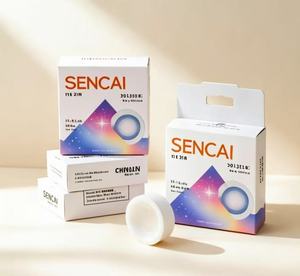
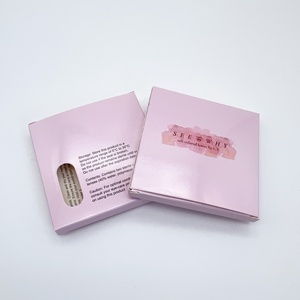
Brand owners face tightening packaging waste regulations in Europe and North America. Sourcing strategies incorporate FSC-certified recyclable cardboard cartons, soy-based inks, and lightweight polypropylene blister cups engineered for minimal plastic footprints.
Virtual Try-On & Direct Sampling
B2B buyers leverage augmented reality (AR) filters to test design viability before committing to bulk production. As optical retail converges with digital e-commerce, small-batch initial pilot orders enable real-time consumer trend verification.
Consolidation Around Audited Plants
With the European MDR implementation and stringent US FDA / Korean MFDS import controls, uncertified trading entities are being eliminated. Direct procurement from owned, fully certified production plants is essential to safeguard brand reputation.
Frequently Asked OEM Sourcing Questions
Actionable answers to core operational, regulatory, and quality control questions frequently raised during contact lens procurement audits.
Q What is the standard MOQ for private label custom OEM color lenses?
For ready-to-ship catalog designs with private label outer packaging, MOQs start as low as 500 to 1,000 pairs across standard diopters. For fully bespoke color prints requiring unique printing plates and custom polymer coloration, typical MOQs are 5,000 pairs per SKU.
Q How does the factory ensure pigments do not touch the human eye?
We employ a sandwich cast-molding technique where the FDA-approved cosmetic color pigments are layered between two transparent monomer layers. The entire unit is thermal-cured into a single solid lens matrix, ensuring zero pigment exposure to corneal epithelium.
Q What regulatory certificates are available for international customs clearance?
Our manufacturing sites maintain ISO 13485:2016 Medical Device Quality Management certification, CE (MDR) certification, and US FDA Facility Registration (FEI 3015587162). We furnish Certificates of Free Sale (CFS), biocompatibility test files, and Certificates of Analysis (COA) per batch.
Q What is the production lead time for customized packaging and lenses?
In-stock lens inventory with custom over-labeled boxes ships within 7 to 10 working days. Full OEM production cycles—including blister foil sealing, sterile autoclaving, secondary carton printing, and incubation quarantine—generally require 30 to 45 business days.
Q Can the factory manufacture prescription (power) cosmetic lenses?
Yes. We manufacture both plano (0.00 diopter) for pure cosmetic enhancement and corrective optical powers spanning -0.50D to -8.00D (in 0.25D or 0.50D increments) with strict optical center alignment and minimum aberration profiles.
Q What shelf-life and stability testing protocols are followed?
All sealed blister packages and glass vials undergo real-time and accelerated aging validation in accordance with ISO 11987. Our soft contact lenses are validated for a sterile shelf-life of 3 to 5 years under controlled ambient storage conditions.
Scale Your Color Contact Lens Brand with a Proven Manufacturing Partner
Connect directly with our engineering and regulatory affairs team. Whether you need turn-key private label fulfillment, customized pattern prototyping, or full technical dossier support for health ministry registrations, our factories are ready to power your vision.