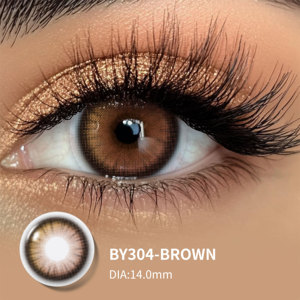
Engineered Precision: Flagship Optical & Cosmetic Portfolios
Source sterile, clinically validated contact lenses and specialized ophthalmic optical instruments directly from our cleanroom facility. Available in small-batch trial orders and multi-container wholesale consignments.
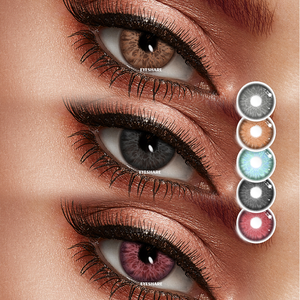
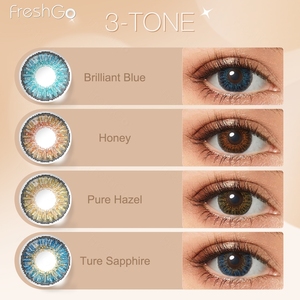
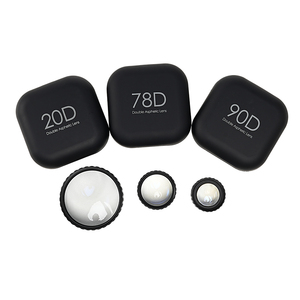
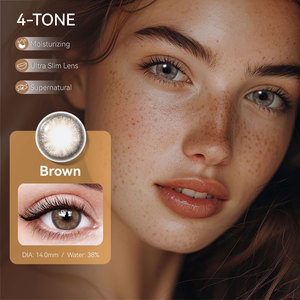
42+
Years Manufacturing Experience (Est. 1984)
15,000+
Color & Optical Formulations Developed
126
Export Destinations & Clinical Markets
10,000+
Global Optical Chains & B2B Distributors
Integrated Industrial Power: From Raw Monomer to Finished Blister
Operating through Gansu Constar Technology Group and Hunan Liangguo Group (Hunan Haipuming Technology), we represent China's legacy contact lens manufacturing excellence.
MDR & ISO 13485 Cleared
Our facilities maintain stringent Class 100,000 cleanrooms certified under EU MDR (CE 0197) and ISO 13485:2016, plus US FDA FEI establishment registration (FEI: 3015587162). Complete biological safety, extractables profile, and cytotoxicity testing dossiers are immediately accessible.
Proprietary "Sandwich" Color Printing
Using advanced multi-layer cast-molding encapsulation, our color pigments are permanently embedded between transparent polymer layers (HEMA-NVP / Silicone). The pigment never touches the corneal epithelium, guaranteeing zero dye-leaching and outstanding physiological biocompatibility.
Rapid OEM/ODM Private Labeling
We provide full end-to-end bespoke packaging: from automated PP blister sealing and glass vial packaging to custom outer carton graphic design and multilingual regulatory labeling (English, Korean, Spanish, Arabic, Russian) tailored to regional Ministry of Health compliance.
1,500+ Stock SKUs Ready to Ship
Mitigate supply chain disruption. We maintain 1,500+ pre-sterilized popular color lens designs and clear prescription powers in our centralized international distribution hubs. Express air-freight fulfillment to Seoul, Los Angeles, Dubai, Frankfurt, and Tokyo within 7–10 days.
Global Sourcing Trends & Next-Gen Contact Lens Technology
An in-depth regulatory and material science overview designed for professional optical buyers, brand directors, and healthcare procurement procurement officers.
1. The Paradigm Shift: Daily Disposables & High-Dk Silicone Hydrogel
The international contact lens market has fundamentally accelerated away from traditional conventional wear towards daily disposable (1-Day) modalities. Clinical data across European, North American, and East Asian markets indicate that patient compliance, hygiene adherence, and ocular surface health correlate directly with single-use systems.
From a formulation perspective, third-generation silicone hydrogels (characterized by long-chain siloxy macromolecules integrated with hydrophilic monomers like NVP and DMA) allow remarkable oxygen permeability (Dk/t > 100 Fatt units). This eliminates hypoxic stress, conjunctival hyperaemia, and corneal swelling during prolonged screen time. For B2B importers, investing private label budget into daily disposable Si-Hy platforms yields higher customer retention and stable recurring re-order lifecycles.
| Polymer Platform | Water Content (%) | Dk/t (Transmissibility) | Primary Clinical Indication | Sourcing Growth (CAGR) |
|---|---|---|---|---|
| Conventional HEMA / NVP | 38% – 42% | 18 – 28 Barrers | Cost-effective Cosmetic Wear / Multi-month | +3.2% |
| Advanced Hydrogel (Galyfilcon/Methafilcon) | 55% – 58% | 30 – 42 Barrers | Sensitive Eyes / High-Comfort Daily | +6.8% |
| Silicone Hydrogel (Cast Molded) | 40% – 48% | 95 – 130 Barrers | Extended Digital Device Wear / Medical Prescription | +14.5% |
2. Cosmetic Nuances: Sub-Surface Micro-Dot Matrix & Photorealistic K-Beauty Trends
The cosmetic contact lens sector is no longer driven by intense, opaque costume prints. Sophisticated international consumers demand photorealistic iris micro-gradients. Leading product architectures utilize 3D semi-transparent micro-dot printing that preserves the natural depth of the iris stroma while modifying the apparent tonal temperature through soft hazel, ash grey, and olive undertones.
Our research and development studio continuously cross-references seasonal pantone trend lines with regional optical aesthetics. In the Korean and Japanese markets (K-Beauty & J-Beauty segments), moderate Graphic Diameters (GDIA 12.8 mm to 13.4 mm) featuring diffuse, unbordered limbal transitions dominate optical retail shelves. Conversely, Middle Eastern and South American markets favor expressive enlarging rings (GDIA 13.8 mm to 14.2 mm) with hyper-pigmented 3-tone color depth.
3. Navigating Regulatory Fortresses: MDR (EU), FDA 510(k), and MFDS Clearance
Because contact lenses sit directly on the cornea, regulatory authorities categorize them strictly as Class IIa / Class IIb / Class III Medical Devices. Importers must bypass brokers who lack clean audit trails and source directly from primary factories holding unabridged Technical Files.
When selecting a Chinese manufacturer, ensure they possess:
- EU MDR (Regulation (EU) 2017/745): Notified Body CE certification with valid Post-Market Surveillance (PMS) plans and Periodic Safety Update Reports (PSUR).
- Biocompatibility Compliance: Full testing reports covering ISO 10993-5 (In vitro cytotoxicity), ISO 10993-10 (Irritation and skin sensitization), and ISO 18189 (Ocular compatibility).
- Sterility Assurance: Moist-heat steam sterilization validations under ISO 17665 achieving Sterility Assurance Level (SAL) 10⁻⁶ with real-time stability records.
Frequently Asked Questions: B2B Contact Lens Sourcing
Clear, direct answers regarding minimum order quantities, customization parameters, regulatory support, and batch delivery logistics.
What is the Minimum Order Quantity (MOQ) for custom private label packaging? ▼
For fully customized private label branding (bespoke blister foil, printed PP shells, and branded outer folding cartons), our standard MOQ begins at 5,000 to 10,000 pieces per batch, which can be split across multiple color styles and diopter powers. For stock designs leveraging our existing registered brand packaging (such as MILLCREEK, KSSEYE, or DUOXIU), minimum orders start as low as 50 to 100 pairs for market trial sampling.
How does your factory ensure the pigment layers never contact the human cornea? ▼
We utilize semi-cast and full-cast sandwich molding technology. The biocompatible medical pigments are applied directly onto an inner optical mold cavity and then encapsulated by the liquid polymer formulation before UV thermal polymerization. The color is completely sealed inside the hydrogel matrix. Surface profilometry and rubbing tests confirm that neither the anterior nor posterior lens surface has exposed pigment granules.
Can you supply regulatory documentation for local Ministry of Health (MOH) registration? ▼
Yes. Our international regulatory team provides full manufacturer-side documentation dossiers. This includes ISO 13485:2016 factory audits, CE (MDR) certificates, Certificates of Free Sale (CFS), raw monomer chemical characterizations, biocompatibility test results, sterilization validation summaries, and stability test reports required for registrations including MFDS (South Korea), NMPA, SFDA (Saudi Arabia), Cofepris (Mexico), and Anvisa (Brazil).
What replacement schedules and powers are available for contract manufacturing? ▼
We manufacture lenses across every wear schedule: Daily Disposable (1-Day), Bi-weekly, Monthly Disposable (30-Day), and Yearly Conventional lenses. Optical power specifications include Plano (0.00 diopter cosmetic lenses) as well as corrective myopia powers spanning -0.50D to -8.00D (in 0.25D and 0.50D increments). Toric / Astigmatism and multifocal presbyopia formulations are also available under dedicated OEM development contracts.
What are typical production lead times and global shipping logistics? ▼
For off-the-shelf inventory items, dispatch occurs within 48 to 72 hours, with international air express (DHL/FedEx/UPS/Dedicated Air Line) delivering within 5 to 9 business days worldwide. For custom OEM manufacturing runs involving new mold creation, custom packaging print approval, and sterilization cycles, total production lead times typically range from 25 to 35 calendar days from artwork sign-off.
Partner With a Proven Global Contact Lens Manufacturer
Whether you are expanding an established optical chain, launching a boutique beauty brand, or securing regional distribution rights, our technical team is ready to assist with samples, quotes, and regulatory dossiers.