Factory Inventory & OEM Formulations
High-Velocity Wholesale Circle Lenses & Optical Formulations
Curated clinical-grade hydrogel contact lenses, precision mold tooling, and private label packaging ready for brand customization and worldwide bulk distribution.
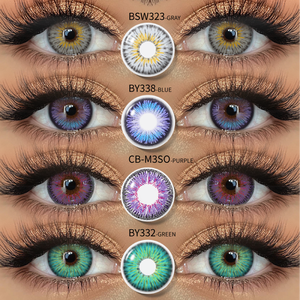
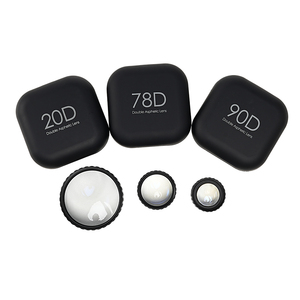
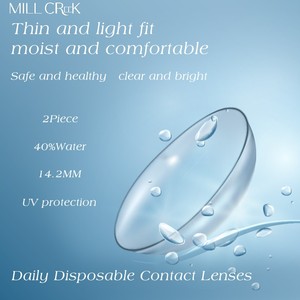
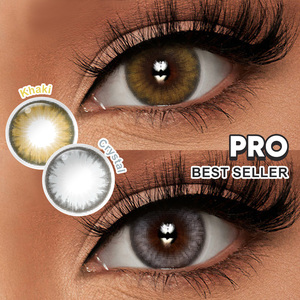
Vertically Integrated Excellence
Why Tier-1 Vision Brands Partner with Eyebeauty Technology
Operating as the international direct arm of Gansu Constar Technology Group and Hunan Liangguo Group (Hunan Haipuming Technology), we eliminate intermediary risk across the full product lifecycle.
Stringent Regulatory Governance
Certified under CE (MDR 2017/745) and ISO 13485:2016. Fully compliant with US FDA registration (FEI: 3015587162) and prepared for South Korea MFDS technical dossiers.
Micro-Sandwich Color Isolation
Advanced double-coating embedding ensures pigment matrices never touch the cornea or palpebral conjunctiva, guaranteeing maximum ocular biocompatibility and tear-film stability.
1,500+ SKUs Ready-to-Ship
Maintain low capital exposure with our high-velocity stock reserves. Fast dispatch within 7–10 business days for immediate retail test-marketing across global retail networks.
Turnkey Private Labeling
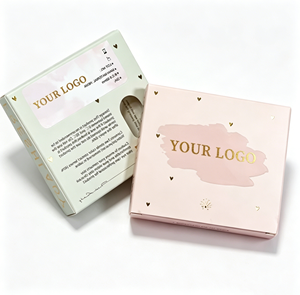
From Pantone-matched iris color gradients and blister packaging to multi-lingual regulatory carton printing, we provide end-to-end design, tooling, and sterilization execution.
Industrial Infrastructure
Owned Cleanroom Facilities & Cast Molding Infrastructure
Direct ownership of state-of-the-art cleanroom facilities ensures full manufacturing traceability, from raw HEMA/Silicone monomer distillation to finished blister sterilization.
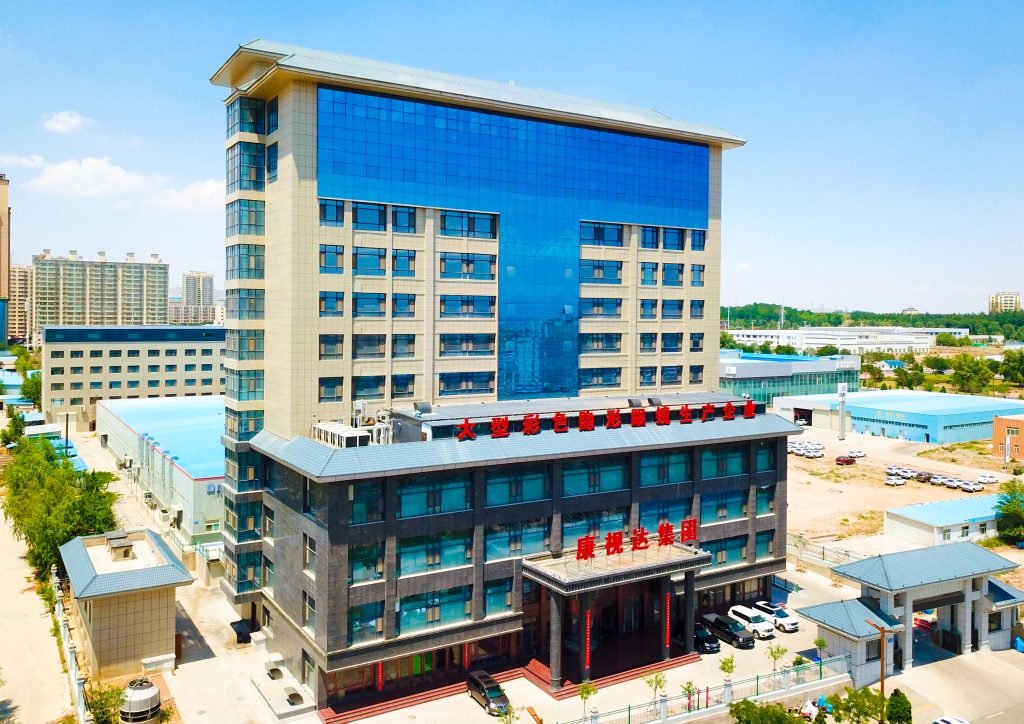 FOUNDED 1984 · GANSU BASE
Gansu Constar Technology Group
Our foundational facility pioneering contact lens production for over four decades. Specializing in high-precision cast molding, multi-curve optical geometries, and long-cycle extended wear hydrogel lenses under rigorous clinical oversight.
CE (MDR) Audited
ISO 13485:2016
Full Batch Traceability
Automated Optical Inspection
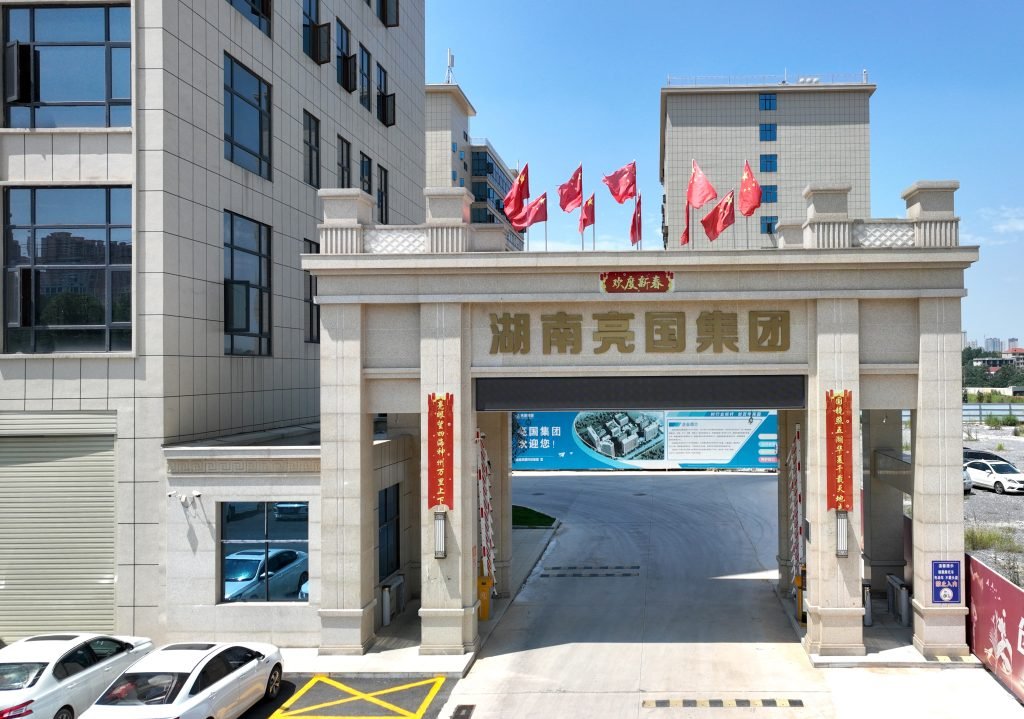 LIANGGUO GROUP · HUNAN BASE
Hunan Haipuming Technology
The modern powerhouse dedicated to cosmetic colored circle lenses, daily disposables, and rapid-turn ODM projects. Houses Class 100,000 cleanrooms equipped with sub-micron automated pad printers and high-speed blister sealing lines.
FDA Facility FEI: 3015587162
ISO 13485 Certified
Class 100,000 Cleanroom
Micro-Sandwich Printing
Industry White Paper
Engineering, Procurement Dynamics & Market Trends (2025–2030)
A comprehensive technical analysis for commercial procurement directors, regulatory heads, and private label vision care brands.
1. The Evolution of Circle Lenses: Material Science & Micro-Encapsulation
Cosmetic circle lenses have transitioned from cosmetic novelties into sophisticated Class III (or Class IIb depending on jurisdiction) medical devices. The core technical imperative is the permanent physical isolation of reactive organic and inorganic pigments—such as Iron Oxides (CI 77491, CI 77492, CI 77499), Titanium Dioxide (CI 77891), and Phthalocyanine Blue (CI 74160)—from direct physiological interaction with the corneal epithelium and bulbar conjunctiva.
Modern automated manufacturing applies Full Cast Molding (FCM) coupled with embedded sandwich printing. Unlike older semi-cast or spin-cast techniques where pigments were pad-printed directly onto the cured anterior or posterior polymer surface, current cleanroom protocols cast an ultra-thin primary hydrogel base layer, apply the computerized multi-tone limbal dot pattern, and encapsulate the design under a secondary monomer mixture prior to thermal or UV polymerization. This produces a monolithic matrix with zero surface roughness (Ra < 0.02 µm), ensuring the lens surface maintains smooth tear-film distribution and inhibits protein-lipid deposition throughout scheduled wear.
| Polymer Formulation | Water Content (%) | Dk / t (Oxygen Transmissibility) | Modulus (MPa) | Recommended Replacement Cycle |
|---|---|---|---|---|
| Poly-HEMA (Classic Hydrogel) | 38% – 42% | 12 – 18 Barrer/cm | 0.35 – 0.45 | Monthly, 6-Month, Yearly |
| NVP-HEMA Copolymer | 55% – 58% | 22 – 28 Barrer/cm | 0.30 – 0.38 | Daily Disposable, Monthly |
| Silicone Hydrogel (SiHy 2nd/3rd Gen) | 45% – 48% | 80 – 130 Barrer/cm | 0.50 – 0.70 | Daily Disposable, Monthly Wear |
| PC-Composite (Phosphorylcholine) | 58% – 60% | 25 – 32 Barrer/cm | 0.32 – 0.40 | Premium Daily Disposable |
2. Macro Procurement Trends Shaping Global B2B Supply Chains
Professional optical buyers are restructuring their procurement frameworks based on three major market trends:
A. Accelerated Shift Toward Daily Disposables (Si-Hy & High-Water HEMA): In mature consumer markets such as South Korea, Japan, North America, and the EU, single-use daily disposable circle lenses now represent over 62% of value volume. The operational benefit for brand owners is double: increased replenishment velocity and a major reduction in end-user adverse incidents linked to poor lens care compliance.
B. Graphic Diameter Optimization (Natural Dilated Aesthetics): The historical demand for exaggerated, opaque 14.5mm+ graphic diameters (GDIA) has evolved toward subtle iris-enhancing tones. Leading K-beauty and international trends require GDIA between 13.0mm and 13.5mm, utilizing feathered limbal micro-dots, transparent pupil transition zones, and multi-layered translucent ash, hazel, and olive hues that seamlessly blend with diverse natural irises.
C. Regulatory Consolidation and Stringent Verification: With the full implementation of EU MDR 2017/745, tighter scrutiny from the US FDA, and the Ministry of Food and Drug Safety (MFDS) in South Korea, white-label importers can no longer work with uncertified assemblers. Sustainable optical brands must partner directly with ISO 13485:2016-certified factories capable of supplying complete Technical Construction Files (TCF), biocompatibility test results (ISO 10993 series), and validated terminal moist-heat sterilization cycles.
Corneal Health & Hydration
Next-generation circle lenses incorporate moisturizing surfactants such as Hyaluronic Acid (HA) and Polyvinylpyrrolidone (PVP) into the packaging saline, reducing end-of-day dryness.
Integrated Class II UV Blocking
Monomer formulations polymerize with benzotriazole UV-absorbing compounds to filter ≥70% UVA and ≥95% UVB rays, supporting overall ocular surface wellness.
Agile Low-MOQ Production
Custom ODM print development with minimal initial tooling friction allows private label brands to test new color palettes without burdensome multi-tonnage commitments.
Group Portfolio
Proven Retail Brands Ready for Regional Distribution
Manufactured entirely within our cleanroom facilities, these established lines serve optical store networks, visual boutiques, and e-commerce platforms worldwide.

MILLCREEK
KSSEYE
DUOXIU
Haipurecon
Procurement Due Diligence
Frequently Asked Questions for Wholesale & OEM Buyers
Straightforward answers covering minimum orders, cleanroom protocols, regulatory documentation, and custom optical development.
What are the standard Minimum Order Quantities (MOQs) for OEM/ODM private label circle lenses?
For ready-to-ship catalog designs (ex-factory stock across our established brand portfolios), MOQs start as low as 50 to 100 pairs per power SKU. For fully custom ODM projects—requiring custom graphic pattern etching, exclusive Pantone color mixing, and customized blister foil or folding cartons—the baseline production run is generally 1,000 to 3,000 pairs per design, distributed across selected spherical powers (Plano 0.00D up to -8.00D).
How does Eyebeauty assist with market-specific regulatory clearance (e.g., South Korea MFDS, CE MDR, US FDA)?
As a genuine manufacturer, Eyebeauty supplies the full manufacturer-side technical dossier required by your local licensed importer or regulatory representative. This includes valid ISO 13485:2016 quality management certificates, CE (MDR) audit reports, biocompatibility testing profiles (cytotoxicity, systemic toxicity, ocular irritation, and sensitization under ISO 10993), accelerated and real-time aging studies, and terminal autoclave sterilization validation (EN 556-1 / ISO 17665).
What color printing technology is utilized to protect ocular surface safety?
We exclusively employ automated cast-mold micro-sandwich printing. Inorganic, medical-grade color pigments are embedded inside two layers of optical hydrogel polymer. This physical barrier ensures that colorants are never exposed to the corneal surface or conjunctiva, preventing pigment shedding, corneal staining, or rough surface irritation while preserving natural oxygen transmissibility.
Can you produce circle lenses matching custom base curves (BC) and diameters (DIA)?
Yes. Our CNC optical tooling and steel mold-machining centers in Gansu and Hunan can manufacture custom optical molds. Our primary high-volume production models feature universal fit specifications: Base Curve (BC) of 8.5mm to 8.6mm and Total Diameters (DIA) of 14.0mm to 14.5mm (with Graphic Diameters customized between 12.8mm and 13.8mm). Custom parameters can be engineered for qualified production volumes.
What are the typical lead times for sample development, bulk production, and logistics?
Physical color swatch verification and digital design sampling typically conclude within 10 to 14 working days. Mass cast-molding, terminal sterilization, multi-point visual QC, and packaging take approximately 25 to 35 business days from final film artwork sign-off. Air express shipments (via DHL, FedEx, or dedicated air-freight forwarders) take 3 to 7 business days, with streamlined short-route shipping directly into major hubs such as Incheon, Tokyo, Frankfurt, and Los Angeles.
Launch or Scale Your Vision Brand Direct with the Factory
Eliminate middleman friction. Partner directly with an enterprise-scale Chinese manufacturer backed by 42+ years of optical engineering, CE (MDR) certification, and global compliance support.