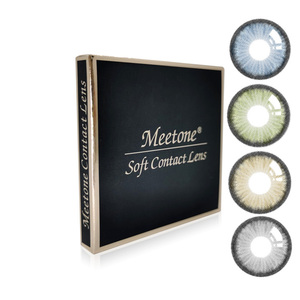
Featured OEM/ODM Cosmetic Circle Lenses & Optical Formulations
Precision cast-molded cosmetic lenses, custom hydrogel polymers, and private-label packaging designed for international optical retailers and licensed Korean clinic brands.
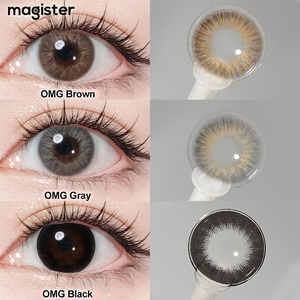
Magister Comfortable Multi-Tone Cosmetic Contact Lenses
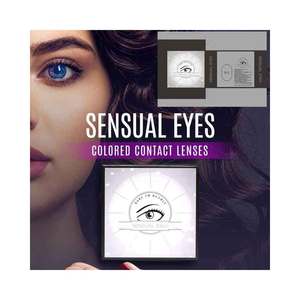
Eyeshare Custom Logo Sterile Optical Unit Packaging & Secondary Kit
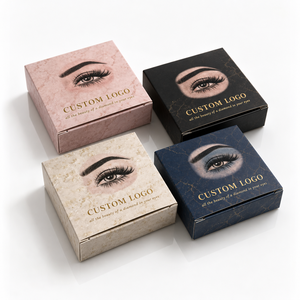
Luxury Oval Window Rigid Box for High-Tier K-Beauty Lines
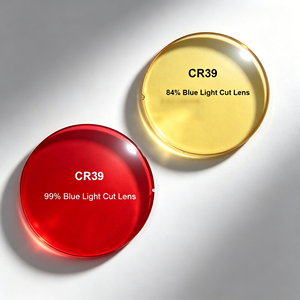
Precision CR39 Photoprotective Optical Sleep & Blue Light Lens
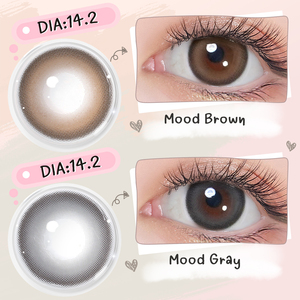
Magister Lunina High-Dk Atmospheric Pigment Contact Lenses
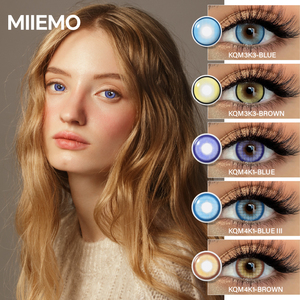
Three-Tone Natural Iris Gradient Soft Circle Lenses (Low MOQ)

Custom Holiday & Thematic Cosmetic Circle Lenses (OEM/ODM)
42+
Years Manufacturing (Since 1984)
15,000+
Proprietary Iris Formulations
126
Global Export Destinations
10,000+
B2B Optical Brands Supplied
The Evolution of Korean Circle Lenses: Supply Chain Synergy Between China & Korea
A technical assessment of ophthalmic casting, biocompatible hydrogels, and the strategic manufacturing continuum dominating East Asian vision care.
Executive Summary: The term "Korean Circle Lens" represents the benchmark for aesthetic contact lenses globally—defined by subtle limbal transition zones, hyper-realistic iris striations, natural enlarged graphic diameters (G.DIA 13.0mm–13.8mm), and delicate glow/highlight micro-patterns. While the creative direction and retail trends originate within Seoul's vibrant optical centers like Gangnam and Myeongdong, the high-volume, cost-efficient, and medical-grade scaled production increasingly relies on advanced, automated Chinese manufacturing bases operating under stringent ISO 13485 and CE (MDR) standards.
Modern Cast Molding vs. Lathe-Cutting
Traditional lathe cutting cannot sustain the micro-precision tolerances required by modern multi-tone circle prints. Top-tier manufacturers leverage full cast molding utilizing precision nano-machined optical inserts. This process guarantees sub-micron edge profiling, zero edge burrs, and isotropic shrinkage during hydration, maximizing corneal oxygen flow and all-day wear comfort.
Micro-Encapsulation Technology
The foremost technical risk in cosmetic contact lenses is pigment leaching onto the corneal epithelium. Our "sandwich" encapsulation technology chemically locks non-ionic, pharmaceutical-grade iron oxide and organic pigments entirely within polymer layers. The pigment layer never contacts ocular tissue, fully adhering to MFDS and CE (MDR) biocompatibility protocols.
Hydration & Dk/t Optimization
Modern consumers require lenses that withstand digital eye strain and dry air-conditioned environments. By blending hydrophilic monomers like HEMA with cross-linked NVP and MPC (Methacryloyloxyethyl Phosphorylcholine) biomimetic agents, our factories maintain 38% to 42% water balance, preventing tear evaporation and lipid deposition over prolonged wear.
Emerging Procurement Trends in Cosmetic Circle Lenses
Key strategic indicators every optical brand buyer, private label owner, and chain distributor must incorporate into their multi-year product roadmaps.
1. Paradigm Shift toward Daily Disposables (1-Day Wear)
While monthly and 6-month replacement cycles retain strong value propositions in specific territories, the fastest expanding market sector across East Asia, North America, and Europe is the Daily Disposable segment. Driven by hygiene concerns and lifestyle convenience, B2B procurement budgets are rapidly rotating into high-volume daily blister strip production lines.
2. Silicone Hydrogel Cosmetic Formulations
Cosmetic lenses have historically been restricted to standard hydrogels due to the complex surface tension and optical clarity balance needed for pigments. Next-generation procurement centers on Silicone Hydrogel (SiHy) circle lenses offering transmissibility ratings exceeding Dk/t 80, resolving hypoxia and corneal vascularization risks entirely.
3. "Clean Aesthetic" & Photorealistic Micro-Glow
Heavily defined dark outer limbal rings of the early 2010s have been replaced by hyper-natural "glow lenses" and "watercolor translucent lenses." Consumers prefer non-uniform micro-dot matrices that allow the user's natural iris tone to peek through, generating bespoke eye color enhancement suited for everyday workplace wear.
Integrated Industrial Ecosystem: Gansu Constar & Hunan Haipuming
Combining four decades of ophthalmological heritage with cutting-edge medical device cleanrooms.
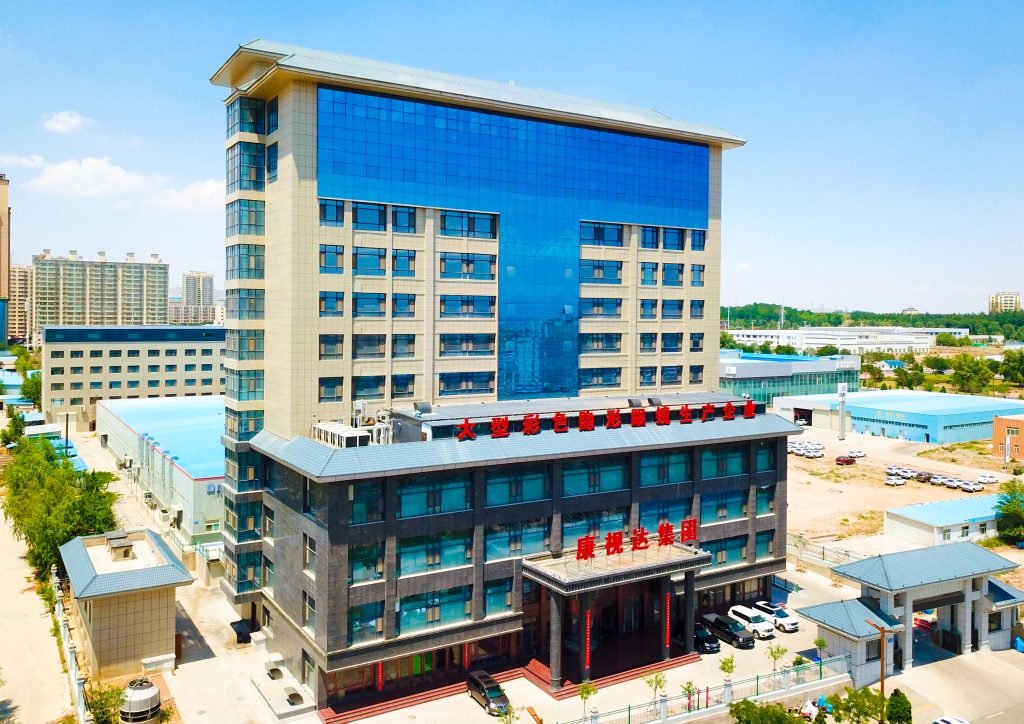
Gansu Constar Technology Group (Est. 1984)
Representing over 42 years of contact lens production authority, Gansu Constar is the foundational pillar of our group. Equipped with advanced automated optical polymer formulation reactors, fully enclosed automated cast-molding halls, and comprehensive microbiology validation laboratories.
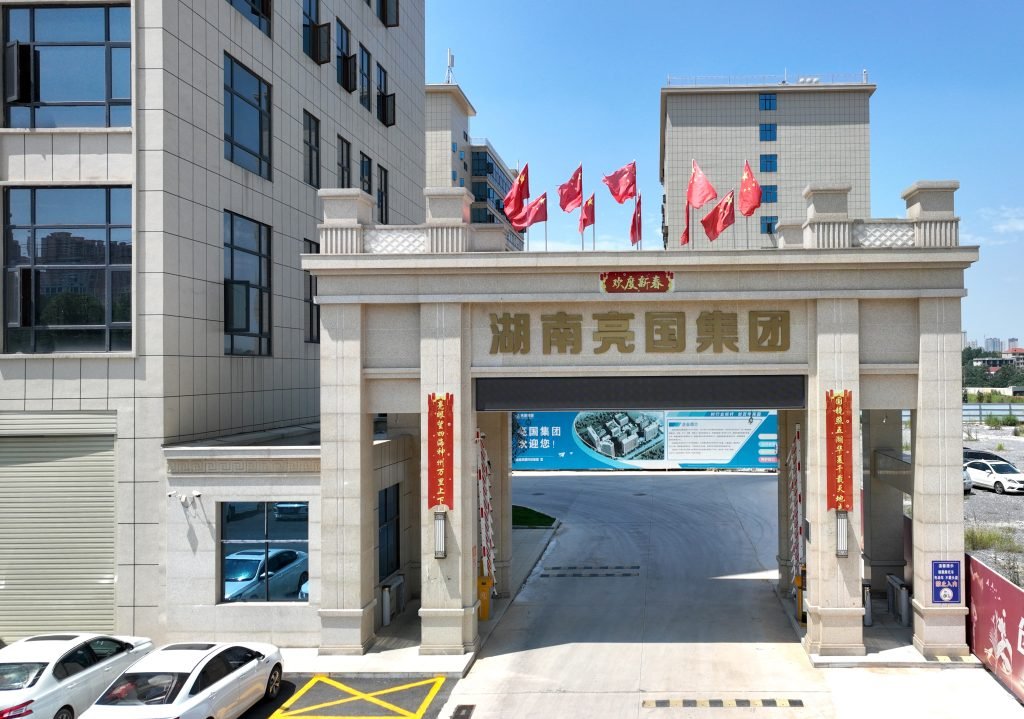
Hunan Haipuming Technology (Liangguo Group)
Our dedicated state-of-the-art center for high-complexity cosmetic color lenses. Hunan Haipuming integrates precision pad-printing robotics, proprietary multi-layer color fixation machinery, and high-speed blister sealing lines designed specifically for agile OEM and ODM private label execution.
Frequently Asked Sourcing & Compliance Questions
In-depth insights into regulatory documentation, minimum order quantities, private labeling, and customs clearing protocols for global vision brands.
How does Eyebeauty support MFDS approval for imported contact lenses in South Korea?
Contact lenses are strictly regulated as Class II/Class III medical devices by the Ministry of Food and Drug Safety (MFDS) in South Korea. The registered South Korean license holder (the importer or distributor) is responsible for filing the approval. Eyebeauty provides the complete technical master dossier, including ISO 13485 certification, CE (MDR) conformity declarations, raw material toxicological reports, biocompatibility testing (cytotoxicity, ocular irritation, systemic toxicity), aging stability tests, and full sterilizer validation protocols required by Korean auditors.
What are the minimum order quantities (MOQ) for custom private label circle lenses?
We provide flexible scaling tiers: for our catalog of over 1,500 ready-to-ship stock SKUs, MOQ can start as low as 50 to 100 pairs per power to facilitate fast-turnaround market testing. For bespoke custom color development—involving custom graphic diameters, proprietary multi-tone pad printing, and private label blister foil/carton manufacturing—the standard production batch typically begins at 3,000 to 5,000 units per color variation across assorted powers.
How do you ensure color consistency across high-volume production batches?
Pigment uniformity is controlled through automated spectrophotometric testing and viscosity-stabilized printing inks. Each production run is matched against calibrated Pantone optical standards under uniform illuminants (D65). Additionally, high-resolution optical automated visual inspection (AVI) cameras examine 100% of finished lenses on the line to immediately eject items with print deviations, concentricity misalignment, or peripheral edge inconsistencies.
Can private label packaging be customized for bilingual or localized distribution?
Yes. We execute turnkey secondary and primary packaging customization. This includes custom foil alloy heat-sealing for PP blisters, sterile pharmaceutical glass vial crimping, folding carton structural design with hot foil stamping or UV varnishing, and legal barcode generation. Packaging can be printed in full Korean, English, Spanish, Japanese, or Arabic complying with destination medical labeling mandates (including UDI symbols, batch numbers, and expiration dates).
What lead times are expected for OEM samples versus mass production orders?
Standard warehouse stock samples for quality evaluation are dispatched within 48 to 72 hours via air courier. Custom-designed prototype lenses with new pad print plates take roughly 15 to 20 business days for mold engineering and color proofs. Once proofs and packaging designs are locked, mass contract manufacturing generally completes within 25 to 35 days, followed by air freight directly into Seoul Incheon, Tokyo Narita, Los Angeles, or European logistics hubs.
Architect Your Next Best-Selling Circle Lens Line
Connect directly with our senior optical engineering and regulatory team. Whether you need an existing K-beauty design scaled or full turnkey OEM development from mold formulation to retail packaging, Eyebeauty delivers unmatched factory efficiency.