Direct Factory-Engineered Contact Lens Solutions
Export-grade cosmetic, toric, natural, and prosthetic soft contact lenses developed within ISO 13485 and CE (MDR) certified cleanroom casting infrastructures. Review our leading export lines and packaging systems ready for global OEM/ODM deployment.
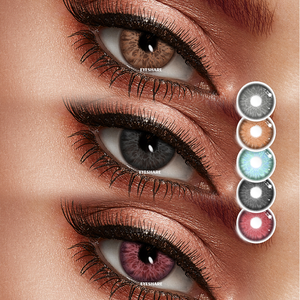
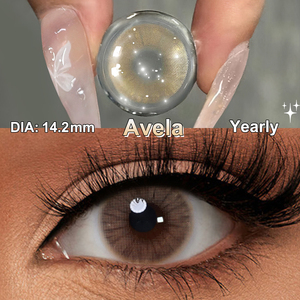
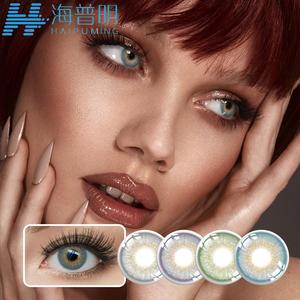
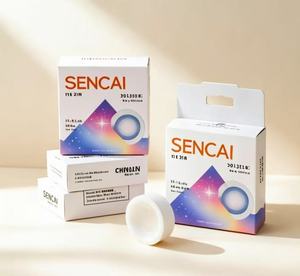
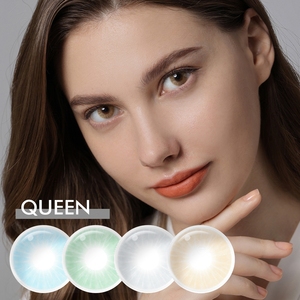
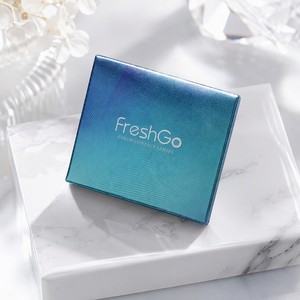
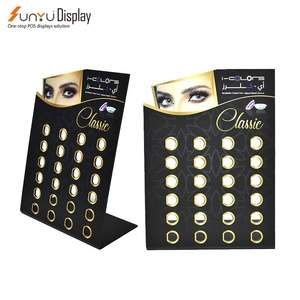
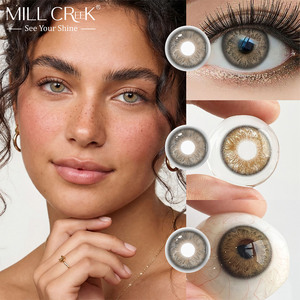
Why Global Optical Importers Source from Dongguan & Group Factories
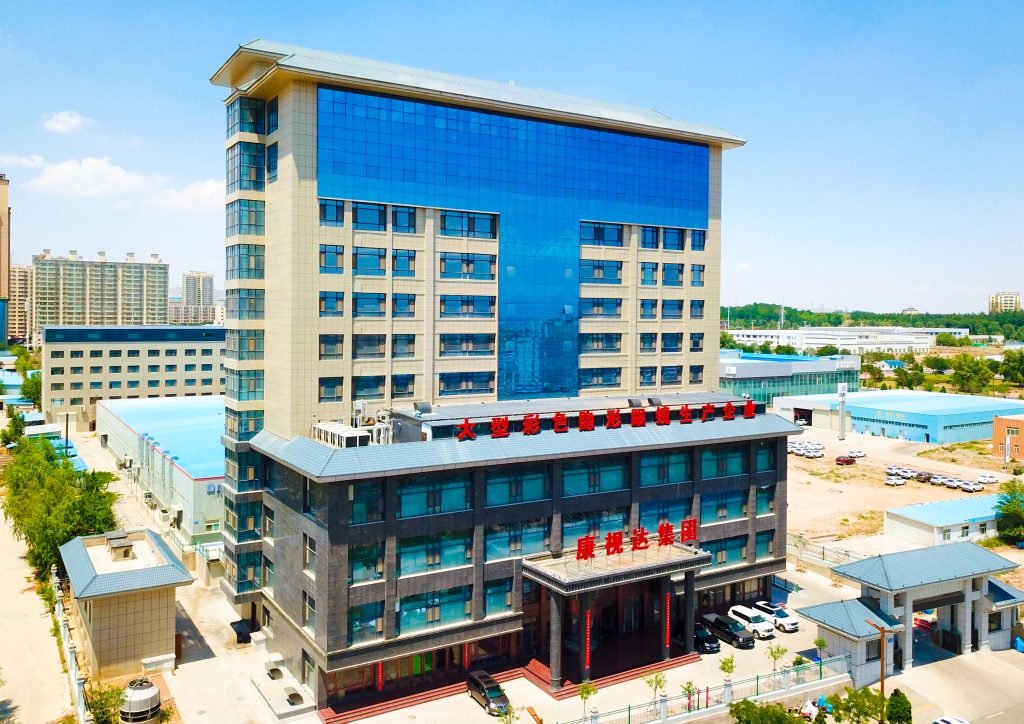
Operating at the intersection of decades-long optical heritage and Guangdong's hyper-efficient Dongguan export supply ecosystem, Eyebeauty Technology Co., Ltd. functions as the unified international service and export arm for our family-owned manufacturing group, encompassing Gansu Constar Technology Group (founded in 1984) and Hunan Haipuming Technology (Liangguo Group).
Medical Device Governance
Fully auditable quality systems certified under European Medical Device Regulation (CE MDR), ISO 13485:2016, and US FDA registered manufacturing premises (FEI: 3015587162). Complete batch serialization from monomer batching to final steam sterilization.
Micro-Sandwich Color Lock
Patented embedded color encapsulation locks reactive organic and mineral dyes securely between two hydrophilic polymer layers. Zero direct corneal pigment contact, non-cytotoxic, and zero risk of pigment leaching during extended saline immersion.
Dongguan Export Clustering
Capitalizing on Dongguan's tier-one tooling, precision polymer injection molding, blister sealing automation, and immediate access to Shenzhen/Guangzhou/Hong Kong export ports for express custom logistics and ultra-competitive shipping cycles.
Full Dossier Support (MFDS/FDA)
We do not merely supply bulk units; we co-engineer regulatory clearances. Our technical team prepares complete Device Master Files (DMF), biological safety reports (ISO 10993), stability data, and localized regulatory documentation for Korea MFDS, US FDA 510(k), and GCC markets.
The Anatomy of Class III Medical Contact Lens Manufacturing
Sourcing contact lenses from China has transitioned from standard commoditized trading to highly specialized biomedical engineering. Modern contact lenses are regulated as Class II or Class III medical devices worldwide due to their direct interface with delicate corneal epithelial tissues and the precorneal tear film.
Our primary manufacturing lines employ cast molding technology utilizing diamond-turned optical tooling inserts. This ensures sub-micron surface smoothness, uniform edge profiles (minimizing eyelid friction during the human blink cycle), and consistent optical power replication from plano (0.00D) down to high myopic powers (-12.00D).
Every single batch produced at our Constar and Haipuming facilities undergoes 100% automated optical inspection (AOI) to detect edge tearing, micro-bubbles, peripheral color eccentricity, and optical power deviation before automated blister foil sealing and validated terminal autoclave sterilization at 121°C.
Future Sourcing & Procurement Trends (2025–2030)
How global distribution chains, retail optical giants, and fast-beauty direct-to-consumer (D2C) brands are reshaping their procurement strategies for cosmetic and therapeutic contact lenses.
Dominance of Daily Disposable Replacement Cycles
Consumer health awareness is rapidly shifting demand from traditional annual and semi-annual lenses toward daily disposable (1-Day) formats. In top markets like Korea, Japan, and North America, daily wear minimizes microbial keratitis risks and eradicates chemical cleaning solution allergies. OEM buyers must prioritize factories with high-speed automated packaging capabilities capable of cost-effectively churning millions of sterile blisters each month.
Transition to Silicone Hydrogel (SiHy) Cosmetology
While traditional pHEMA remains the gold standard for intricate color pigmentation and mechanical handling, the procurement frontier is migrating toward third-generation Silicone Hydrogel color lenses. SiHy chemistry delivers extraordinary oxygen permeability (Dk > 80 barrers), enabling healthy extended daytime wear. Dongguan's advanced R&D laboratories are resolving historic issues of pigment adhesion and surface wettability in siloxane macromers.
K-Beauty Micro-Patterning & Hyper-Natural Aesthetics
Heavy, opaque, artificial limbal borders have been replaced by translucent micro-dot gradients, subtle watercolor ash tones, and three-dimensional "highlight" pupil prints that emulate natural iris stroma. Distributors require OEM partners with multi-color print registration accuracy below 15 micrometers to prevent artificial glare or unnatural eye dilation effects.
Traceable Sustainable Packaging & Monomaterial Foil
Corporate environmental responsibility has evolved from a marketing perk to a hard import threshold in European and North American retail optical chains. Procurement teams increasingly demand FSC-certified secondary paper boxes, non-PVC polypropylene blisters, water-soluble labeling adhesives, and reduced-plastic tertiary shipping configurations to meet carbon neutrality audits.
Integration of Therapeutic & Myopia Management Lenses
Cosmetic enhancement is converging with visual therapy. Emerging buyer RFQs incorporate blue-light filtering monomers, UV-blocking absorbers (Class 1 & Class 2 UV blocking absorbing over 90% UVA and 99% UVB), and dual-focus optical profiles designed to slow adolescent axial length elongation while delivering cosmetic appeal.
Agile Supply Chain with In-Stock Regional Buffers
With fashion trends cycling in weeks on social channels, long 90-day manufacturing lead times can result in missed revenue windows. Modern exporters in Dongguan maintain rolling raw monomer stocks and over 1,500 validated SKUs ready to imprint and package, cutting private label replenishment timelines to under 14 days.
Polymer Formulation & Performance Specification Matrix
Comparing core biomedical polymer systems engineered in our manufacturing centers to assist supply chain managers in selecting appropriate SKU profiles for their target demographic.
| Evaluation Parameter | Standard PolyHEMA Matrix | Advanced Hydrophilic Composite | Silicone Hydrogel (SiHy Gen III) |
|---|---|---|---|
| Primary Polymer Base | 2-Hydroxyethyl Methacrylate + EGDMA | HEMA + NVP + Glycerol Methacrylate | Fluoro-Siloxane Macromer + DMA |
| Water Content (%) | 38% – 42% (Stable Equilibrium) | 55% – 58% (High Moisture) | 45% – 48% (Inherent Matrix Hydration) |
| Oxygen Permeability (Dk) | 8.5 – 12 Fatt Units | 18 – 25 Fatt Units | 80 – 120 Fatt Units |
| Modulus of Elasticity (MPa) | 0.30 – 0.40 (Extremely Soft) | 0.35 – 0.45 (Gentle Corneal Draping) | 0.65 – 0.85 (Crisp Handling & Insertion) |
| Color Encapsulation Compatibility | Exceptional (Standard 3-Layer Sandwich) | High (Optimized Pre-Polymer Inks) | Requires Hydrophilic Surface Grafting |
| Recommended Replacement | Daily / Monthly / Yearly | Daily / Monthly | Daily Disposable / Monthly |
| Primary Commercial Use Case | Cost-effective Color Contacts & Cosplay | Premium Optical Chains & Sensitive Eyes | Medical Prescription & All-Day Wear |
Frequently Asked Sourcing & Compliance Questions
Direct answers to technical, commercial, logistical, and legal queries posed by optical brand directors, importers, and procurement officers.
Four Decades of Industrial Excellence: Constar & Haipuming
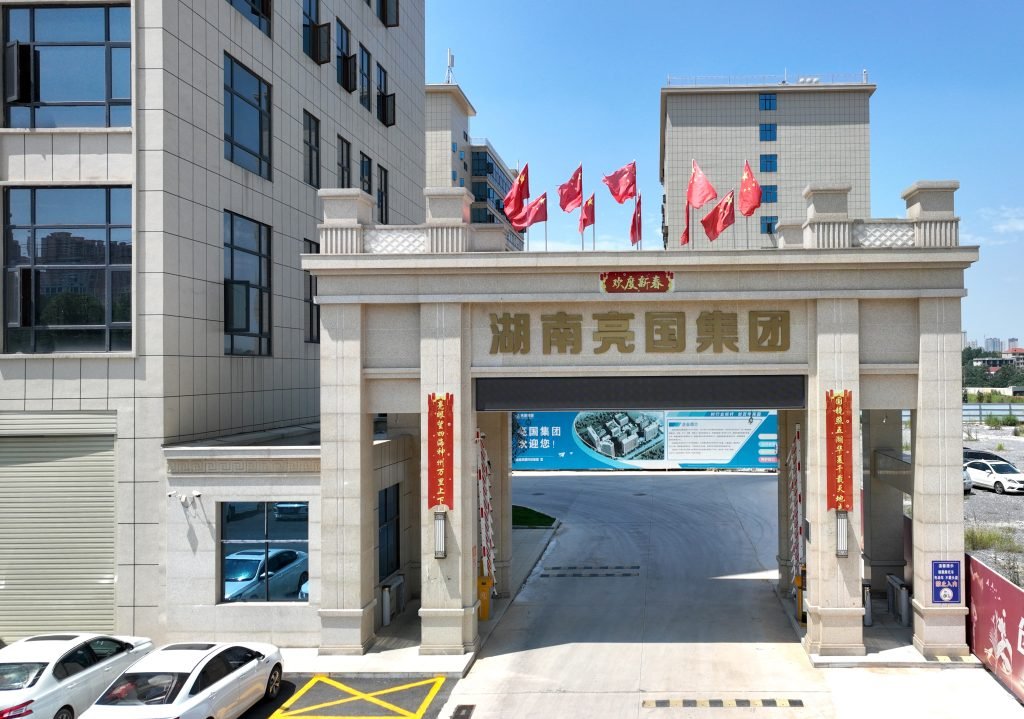
The foundation of our contact lens excellence dates back to 1984 with the establishment of Gansu Constar Technology Group, pioneering precision optical lens fabrication in China. Over four decades, the group continuously expanded manufacturing capacity and optical precision, culminating in the establishment of Hunan Haipuming Technology under Liangguo Group to spearhead high-speed cosmetic lens automation.
By establishing Eyebeauty Technology Co., Ltd. as our specialized international marketing, brand incubation, and global customer support headquarters, we bridge the gap between factory-direct Chinese manufacturing economics and the high expectations of overseas brand managers. Our partners deal directly with optical engineers and certified regulatory specialists who understand both local market aesthetics and rigorous healthcare compliance.
Launch or Scale Your Contact Lens Brand with China's Premier Factory
Whether you require turn-key OEM/ODM product formulation, ready-to-ship wholesale color contact lens stock, or bespoke ISO/CE compliant private label packaging, our engineering desk is ready to assist your procurement team.