Engineered for High-Converting Brands: Recommended Product Lines
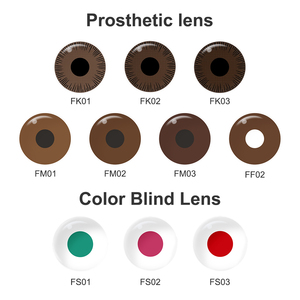
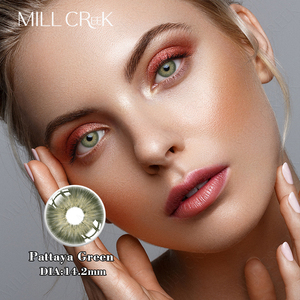
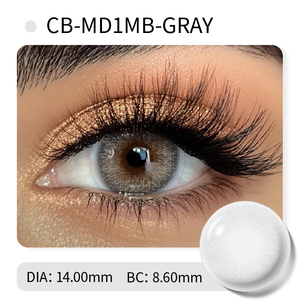
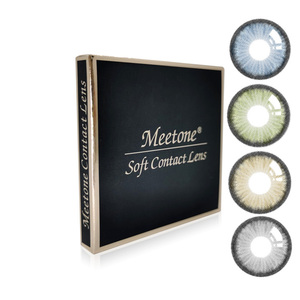
Our top-tier color, prosthetic, and clear spherical contact lenses produced under ISO 13485 and CE (MDR) certifications. Formulated for biocompatibility, oxygen transmission, and vivid ocular aesthetics.
Strategic Procurement in the Global Contact Lens Industry: Navigating the China Supply Ecosystem
The global contact lens market has undergone a structural transformation. What was historically an oligopolistic domain governed by a handful of legacy optical conglomerates is now an agile, DTC-fueled, and lifestyle-driven category. At the epicenter of this tectonic shift lies China’s advanced medical device manufacturing infrastructure.
For brand custodians, ophthalmic chains, e-commerce conglomerates, and medical distributors, selecting the ideal China contact lens private label supplier is no longer just a quest for unit margin reduction. It is a strategic balance of molecular polymer synthesis, pigment isolation biosecurity, automated cast-molding repeatability, and strict international compliance spanning US FDA 510(k), European CE under Medical Device Regulation (EU) 2017/745 (MDR), and South Korea's Ministry of Food and Drug Safety (MFDS) standards.
B2B Procurement Insight: Sourcing cosmetic and corrective lenses requires treating color contacts not merely as beauty cosmetics, but as Class IIa / Class IIb invasive medical devices. An experienced OEM manufacturer must show direct ownership of cleanrooms, automated cast-molding machinery, precision lathes, and complete autoclave traceability.
Polymer Chemical Synthesis
Moving from traditional HEMA/EGDMA hydrogels toward high-Dk/t Fluoro-Silicone Hydrogels. This ensures sustained corneal oxygenation (30-100+ Barrer/cm) and eliminates hypoxic ocular fatigue during extended wearing regimes.
Pigment Sandwich Encapsulation
Micro-encapsulated colorant layers are fused safely between inner and outer polymer strata. Zero direct contact occurs between medical colorants, corneal epithelium, and palpebral conjunctiva, fully passing ISO 10993 cytotoxicity testing.
Automated Cast Molding Systems
Sub-micron optical steel molds engineered on ultra-precision CNC centers eliminate human touch during casting, curing, and hydration. This guarantees uniform edge profiles, exact base curves, and 0.001mm diopter accuracy.
Future Procurement Trends: What Global Importers Must Source for 2026–2030
Procurement directors who structure their catalog around yesterday’s specs will face commoditization and eroding margins. Our R&D division tracks consumer buying behavior, clinical ocular advancements, and cross-border channel data to isolate four essential procurement shifts:
| Procurement Pillar | Legacy Sourcing Criteria | 2026–2030 Advanced Specification | Commercial Value & Market Impact |
|---|---|---|---|
| Wearing Modality | Long-cycle (Annual/Half-Year Vials) | Daily Disposable (1-Day) & Monthly Blister Packs | Higher LTV Dramatically higher customer repurchase frequencies, reduced infection rates, and alignment with modern clinical eye safety. |
| Substrate Material | Standard HEMA (Dk/t: 8.5–12) | Ionic Hydrogel + Low-Modulus Silicone Hydrogel (Dk/t: 45–85+) | Premium Tier Mitigates dry-eye symptoms caused by digital screen exposure, commanding 35% higher retail MSRP. |
| Chromatic Design | Opaque 1-Tone or Flat 3-Tone Rings | Soft Limbal Blending, Glow-Core, Asymmetrical Light Reflectors | K-Beauty Viral Natural aesthetics driven by TikTok and Instagram tutorials; eliminates the artificial "doll-eye" look. |
| Packaging Ecology | Heavy Non-Recyclable Plastic Clamshells | Thin-Foil Eco-Blisters + FSC Certified Rigid Kraft Boxes | ESG Compliance Minimizes international air-freight weight by 22% and complies with EU carbon & packaging waste laws. |
1. The Transition to Daily Disposables in Cosmetic Spheres
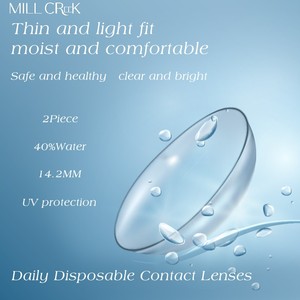
Historically, cosmetic colored contact lenses were dominated by 6-month and 1-year replacement cycles packaged in glass vials. Today, the global trend toward hygiene-first eye care has accelerated 1-day daily disposables into the fastest growing sector. Sourcing 1-day cosmetic contact lenses requires a manufacturer with high-speed automated packaging lines capable of blister foil heat-sealing at speeds exceeding 12,000 units per hour to keep unit costs economical.
2. Aspheric Edge Geometry & Tear-Exchange Technology
Traditional spherical lens profiles can pinch peripheral conjunctival capillaries, reducing natural tear fluid exchange. Advanced procurement specifications now demand aspheric back surface designs with ski-form rounded edges. This geometry utilizes each blink to pump oxygenated lacrimal fluid under the optical optical zone, preventing ocular surface dryness throughout 12+ hour wear cycles.
3. Integrated Photoprotection (Class 1 & Class 2 UV Blocking)
Modern consumers expect multifunctional performance. Incorporating copolymerized benzotriazole UV-absorbing monomers directly into the hydrogel matrix allows private-label brands to claim clinical UV protection (blocking >90% UVA and >99% UVB). This simple feature instantly moves a private-label SKU from a cosmetic accessory to a medical-grade vision protective product.
Why International Distributors Partner with Our China Group
Eyebeauty Technology Co., Ltd. serves as the global export headquarters of a pioneering manufacturing lineage dating back to 1984. We pair true cleanroom manufacturing with direct international client accountability.
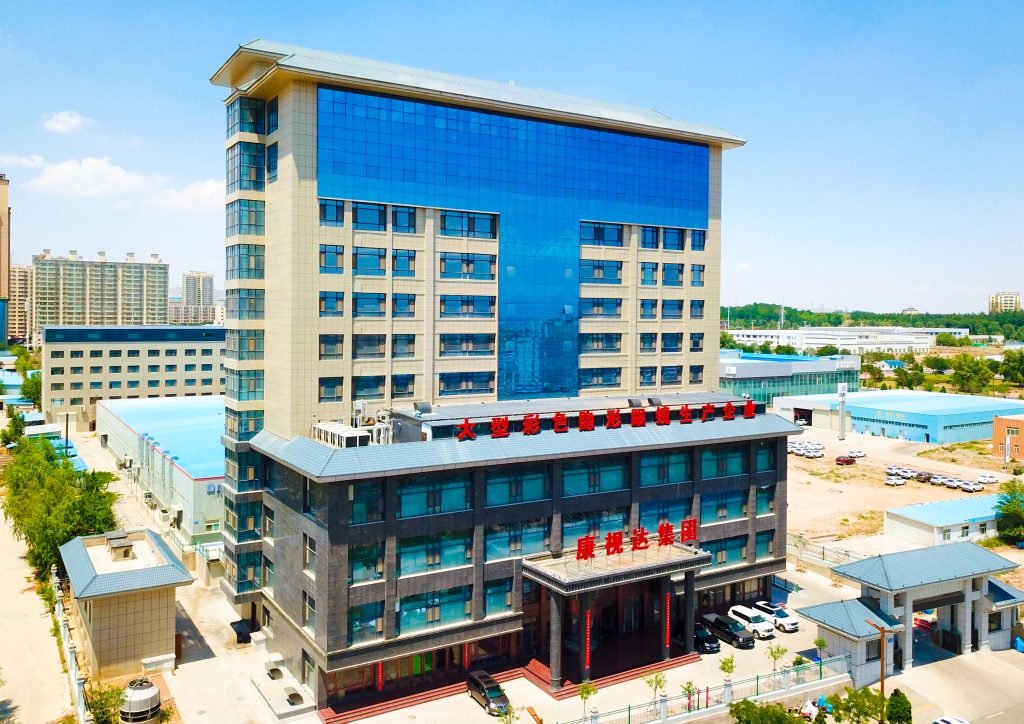
Gansu Constar Technology Group
Our founding facility represents more than 40 years of continuous optical engineering. Specializing in high-precision spin-casting, automated lathe-cutting for custom toric/prosthetic lenses, and pure polymer research.
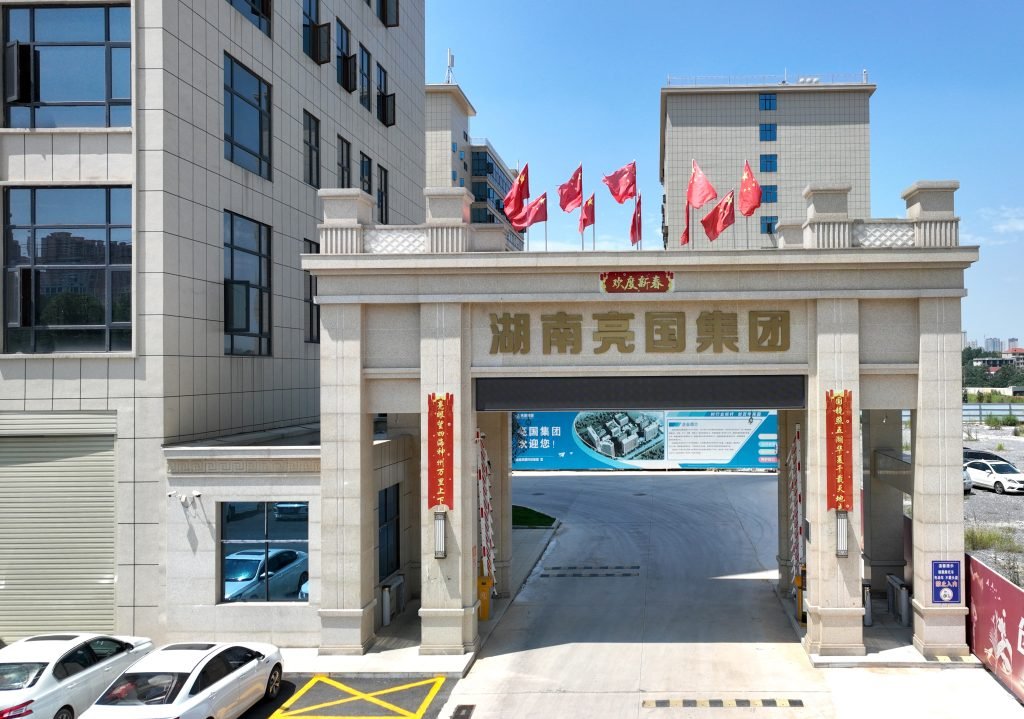
Hunan Haipuming Technology
Our dedicated large-scale cosmetic color lens manufacturing center. Housing robotic multi-color pad printers, computer-controlled polymer curing ovens, and high-throughput cleanroom packaging suites.
True Factory Direct
We are the international arm of our own manufacturing plants. No brokers, no trading markups. You access tier-1 raw unit pricing and direct communication with cleanroom production engineers.
15,000+ Design Archive
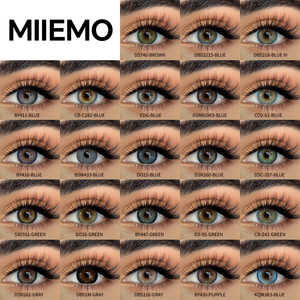
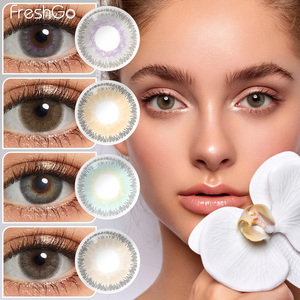
Access our vast portfolio of certified shades: natural limbal rings, iris gradient blending, K-beauty highlights, and anime cosmetic tones, all tested for colorfast stability.
Full Regulatory Dossiers
We provide full technical documentation: ISO 13485 certificates, 510(k) cross-reference files, biocompatibility summaries (ISO 10993), stability studies, and MFDS registration packs.
Agile Private Label
Flexible low MOQs for preliminary trial releases paired with high monthly output (over 15 million lenses). Custom blister foils, outer boxes, and multi-lingual user guides provided turn-key.
From Chemical Reactor to Retail Shelf: Our Quality Assurance Protocol
Quality failures in contact lens manufacturing risk brand reputation and user ocular health. Our group maintains an unbroken chain of quality control checkpoints from polymer monomer inspection to final logistics dispatch:
1. Monomer Purity & Viscosity
Every inbound batch of Hydroxyethyl Methacrylate (HEMA) and cross-linking agents undergoes gas chromatography and refractive index verification to guarantee zero toxic monomer residues.
2. High-Res Automated Optical Inspection
Every single hydrated lens passes through high-resolution AOI imaging cameras that scan for edge burrs, microscopic bubble inclusions, diameter deviations, and pigment registration errors at 100% coverage.
3. Autoclave Sterilization & Bioburden
Lenses sealed in medical-grade PP blisters undergo saturated steam sterilization at 121°C for 30 minutes. Each cycle is accompanied by physical, chemical, and biological indicators to ensure an Sterility Assurance Level (SAL) of 10⁻⁶.
Frequently Asked Questions: Sourcing Contact Lenses from China
Direct technical and operational answers to common questions asked by B2B buyers, optical directors, and regulatory affairs specialists.
What are the legal compliance prerequisites for private label contact lenses in the US, EU, and Korea?
What is the difference between Cast Molding, Semi-Cast, and Lathe-Cutting technologies?
How does the Sandwich Printing process protect the wearer's cornea from dye exposure?
What are the standard Minimum Order Quantities (MOQs) and lead times for OEM private labeling?
Can your factory provide custom packaging, diopter power distributions, and multi-lingual IFUs?
Ready to Engineer Your Private Label Contact Lens Line?
Partner directly with China's dedicated ophthalmic manufacturing group. Gain immediate factory pricing, comprehensive regulatory technical files, and clinical-grade quality control.