Certified Contact Lenses & Precision Optical Components
Procure high-performance ocular polymers, daily/monthly/yearly cosmetic hydrogels, and sterile care accessories engineered under Class 100,000 cleanroom environments.
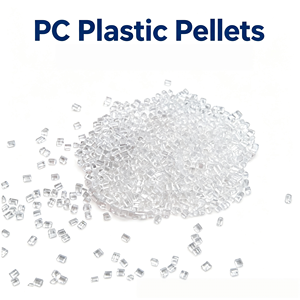
Lotte HOPELEX PC-1100 Optical Polycarbonate LED Lens
- Polymer Type: Optical Polycarbonate
- Refractive Index: 1.586 High Precision
- Application: LED Lens & Optics
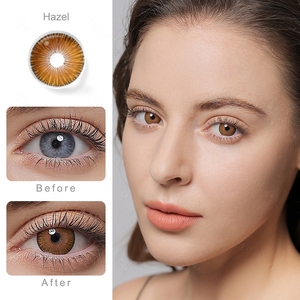
Freshgo Blended Colored Eye Contact Lenses
- Base Material: Poly-HEMA (40% Water)
- Base Curve: 8.5 mm – 8.6 mm
- Diameter: 14.2 mm Natural Iris
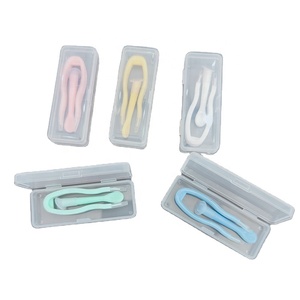
Wholesale Flip-Top Contact Lens Case Kit
- Components: Clamp Rod & Applicator
- Sterility: BPA-Free Medical Grade
- Customization: OEM Silkscreen / PMS
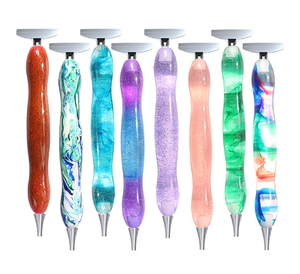
COOLEVE 5D DIY Large Rhinestone Plate Kit
- Material: Virgin Molded Polymer
- Grading: Anti-Static Surface
- Application: Precision Sorting Assembly
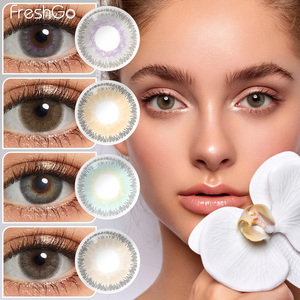
Soft Lens HEMA Natural Colored Cosmetic Lenses
- Encapsulation: Color Sandwich Cast
- Center Thickness: 0.08 mm (-3.00D)
- Oxygen Transmissibility: Dk/t 18 × 10⁻⁹
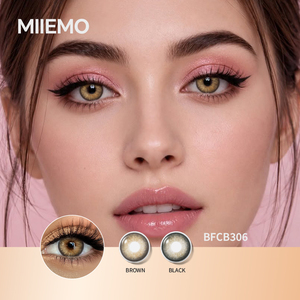
DSC Factory Soft HEMA Prescription Color Lenses
- Diopter Range: 0.00D to -8.00D
- Color Matrix: Triple-Tone Pigment
- Packaging: Sterile Blister Pack (Saline)
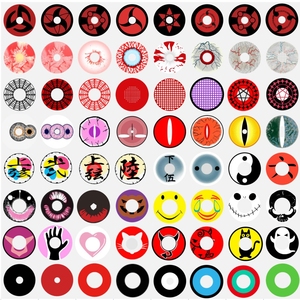
Pseyeche Special Effects Anime Cosplay Contact Lenses
- Pigment Layer: Zero Ocular Contact
- Optical Zone: Clear 5.5 mm Pupil
- Design Library: 300+ Theatrical SKUs
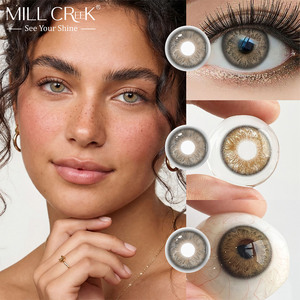
14.5mm Yearly Natural HEMA 40% Color Lenses
- Replacement: 12-Month Extended Wear
- Diameter Options: 14.0 mm / 14.5 mm
- Private Label: Custom Vial / Blister
Industrial Heritage & Regulatory Infrastructure
Eyebeauty operates as the dedicated international marketing and technical solutions headquarters for our family-owned industrial manufacturing group, pioneering soft hydrogel vision solutions since 1984.
Factory-Direct Margin Control
Eliminate tertiary markups. Source directly from automated injection-molding production lines with clear baseline pricing schedules calibrated for regional optical chains and distributors.
CE MDR Class IIa Integrity
Full clinical evaluation reports (CER), biocompatibility assays (ISO 10993 cytotoxicity, ocular irritation, systemic toxicity), and verified terminal steam autoclave batch indicators.
1,500+ Stock SKUs Ready
Immediate dispatch capabilities for high-volume wholesale distributors across our flagship house brands: MILLCREEK, KSSEYE, Haipurecon, and DUOXIU, reducing supply lead times to 7–10 days.
Global Regulatory Dossiers
Complete technical dossier compilation for national import registrations, including Korea MFDS, Saudi SFDA, Brazilian ANVISA, and US FDA 510(k) pathway support.
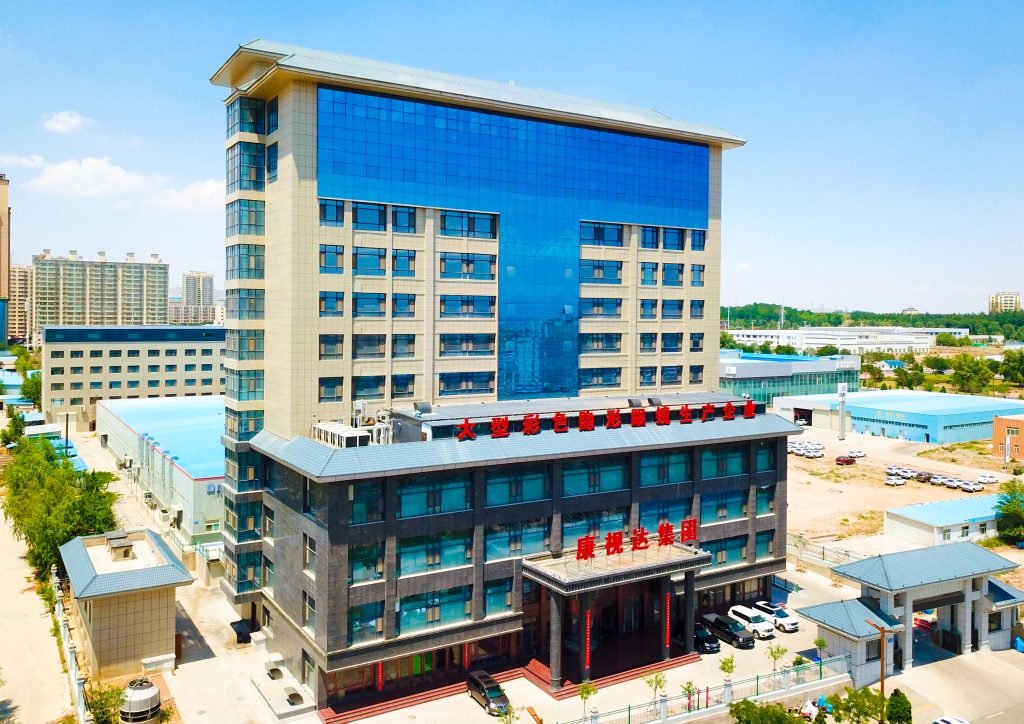
Gansu Constar Technology Group (Founding Base, Est. 1984)
Over four decades of high-precision optical hydrogel manufacturing. Houses automated polymer polymerization systems, cleanroom casting, and optical power verification arrays.
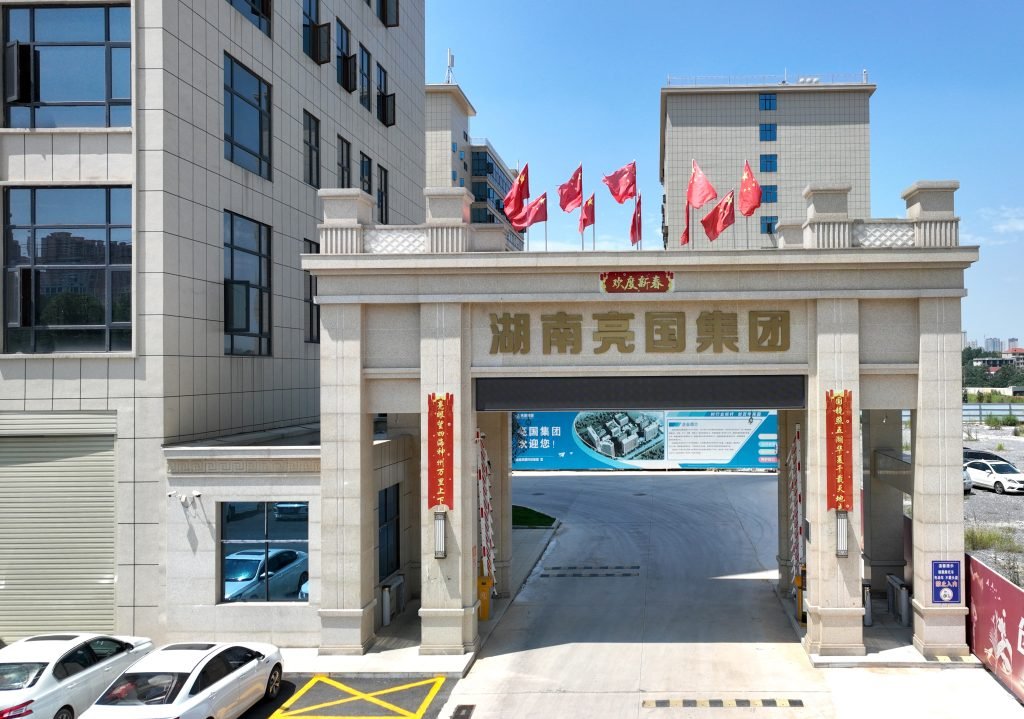
Hunan Haipuming Technology (Liangguo Group)
Specialized color hydrogel and silicone-hydrogel innovation park. Dedicated to 3-layer bio-sandwich micro-encapsulation, blister seal automation, and sterile packaging.
Future Procurement Trends in the Contact Lens Wholesale Market
Strategic analysis of regulatory barriers, supply chain nearshoring, and evolving consumer preferences dictating commercial margins across Europe, the Americas, and the Asia-Pacific region.
1. Shift from MDD to EU MDR Enforcement
Regulatory hurdles have elevated market barriers. Global wholesalers now reject suppliers lacking comprehensive Technical Files under MDR (Regulation EU 2017/745). Importers demand full Clinical Evaluation Plans (CEP), Post-Market Clinical Follow-up (PMCF), and Unique Device Identification (UDI) laser-etched onto direct tertiary packaging.
2. Dominance of Daily Disposable (1-Day) SKUs
While yearly replacement cycles retain high-volume demand in developing distribution channels, high-margin retail optics in Germany, the UK, South Korea, and the US are transitioning rapidly to single-use daily disposables. Buyers prioritize low modulus (0.35–0.50 MPa) paired with high water retainability to minimize ocular dryness complaints.
3. Rationalized Private Label Agile Runs
Modern lens brand incubators avoid monolithic 50,000-piece single-color commitments. Procurement contracts favor agile manufacturers providing low Minimum Order Quantities (MOQs) across diverse multi-tone cosmetic patterns, supported by local language labeling (e.g., Korean MFDS, Arabic SFDA, Spanish COFEPRIS) for direct retail compliance.
| Evaluation Parameter | Eyebeauty Group Factory Specifications | Conventional Wholesale Trading Agents | Low-Tier Non-Certified Workshops |
|---|---|---|---|
| Quality Framework | ISO 13485:2016 + CE MDR Class IIa | Third-party variable certificates | Inconsistent or lapsed certifications |
| Pigment Encapsulation | Cast-Molded Sandwich (Polymer Encapsulated) | Pad printed (frequently single-side sealed) | Surface printing (risk of corneal contact) |
| Biocompatibility (ISO 10993) | Complete Dossier (Cytotoxicity, Sensitization) | Partial / Outdated lab test extracts | No certified biocompatibility data |
| Batch Traceability | Full UDI & ERP Raw Material Tracking | Order-level tracking only | Non-traceable split shipments |
| Terminal Sterilization | Validated Moist Heat Steam Autoclave (121°C) | Standard batch autoclave | Uncalibrated thermal cycles |
Technological Innovations Shaping Next-Gen Hydrogels
Pioneering advancements in silicone-hydrogel crosslinking, bio-compatible surface grafting, and automated optical centering technologies.
Fluoro-Silicone Macromers
Transitioning from conventional Poly-2-hydroxyethyl methacrylate (p-HEMA) to 3rd-generation silicone hydrogels (Dk/t > 80 × 10⁻⁹). Delivers optimal corneal oxygen flux, mitigating end-of-day limbal hyperemia and epithelial swelling during long wear times.
Sub-Micron Multi-Layer Printing
Utilizing digital photolithographic printing to deposit organic iron-oxide and titanium-dioxide pigments within a transparent monomer sandwich. Zero pigment particles touch the sensitive corneal endothelium or palpebral conjunctiva.
HEV & UV Radiation Blockers
Integrating functional polymer-bound ultraviolet absorbers offering Class 1 UV protection (>90% UVA and >99% UVB filtration) alongside High-Energy Visible (HEV) blue-light attenuation filters tailored for prolonged digital device use.
Dynamic Aspheric Front-Surface
Optimized computer-controlled lathe molding capable of generating multi-aspheric front curves. Neutralizes natural spherical aberrations across fluctuating pupil apertures, delivering crisp visual contrast under low-illumination driving environments.
Technical, Regulatory & Manufacturing Diligence
Detailed answers addressing technical parameters, compliance filings, order minimums, and custom private label packaging execution.
1. What exact regulatory credentials are provided to wholesale importers under CE MDR? +
2. How does Eyebeauty guarantee zero pigment leaching in colored contact lenses? +
3. Can you support custom private label registrations in South Korea (MFDS) and North America? +
4. What are the baseline MOQs and lead times for OEM private label vs. house brands? +
5. What diopter (power) spectrums are available for cosmetic and clear wholesale programs? +
6. How are lenses packaged to withstand harsh international logistics environments? +
7. What quality control steps occur before terminal batch release? +
Partner with a Certified Contact Lens Manufacturer
Accelerate your market launch with verified CE MDR Class IIa and ISO 13485:2016 production lines. Connect directly with our ophthalmic engineering and private label project team today for free physical samples, technical dossiers, and volume wholesale rate cards.